- English
- French
- German
- Portuguese
- Spanish
- Russian
- Japanese
- Korean
- Arabic
- Greek
- German
- Turkish
- Italian
- Danish
- Romanian
- Indonesian
- Czech
- Afrikaans
- Swedish
- Polish
- Basque
- Catalan
- Esperanto
- Hindi
- Lao
- Albanian
- Amharic
- Armenian
- Azerbaijani
- Belarusian
- Bengali
- Bosnian
- Bulgarian
- Cebuano
- Chichewa
- Corsican
- Croatian
- Dutch
- Estonian
- Filipino
- Finnish
- Frisian
- Galician
- Georgian
- Gujarati
- Haitian
- Hausa
- Hawaiian
- Hebrew
- Hmong
- Hungarian
- Icelandic
- Igbo
- Javanese
- Kannada
- Kazakh
- Khmer
- Kurdish
- Kyrgyz
- Latin
- Latvian
- Lithuanian
- Luxembou..
- Macedonian
- Malagasy
- Malay
- Malayalam
- Maltese
- Maori
- Marathi
- Mongolian
- Burmese
- Nepali
- Norwegian
- Pashto
- Persian
- Punjabi
- Serbian
- Sesotho
- Sinhala
- Slovak
- Slovenian
- Somali
- Samoan
- Scots Gaelic
- Shona
- Sindhi
- Sundanese
- Swahili
- Tajik
- Tamil
- Telugu
- Thai
- Ukrainian
- Urdu
- Uzbek
- Vietnamese
- Welsh
- Xhosa
- Yiddish
- Yoruba
- Zulu
What Are Gr5 Titanium Bolt Kits Used for Motorcycle Applications?
Gr5 titanium bolt kits for motorcycle usage are used to replace certain steel fasteners with Ti-6Al-4V hardware for motorcycle usage. The aim is to save weight, avoid rust and give the bike a smart, unified appearance. They are mostly installed by riders and brands to fairings, bodywork, engine covers, exhaust mounts, foot pegs and handlebar hardware. They are also used by racers and custom builders when weight and corrosion resistance is paramount. "We need additional checks at load-bearing points like suspension and frame points against OEM specifications. In this essay I explain where these kits fit in, how they compare with other materials and what customers should look for before purchase.
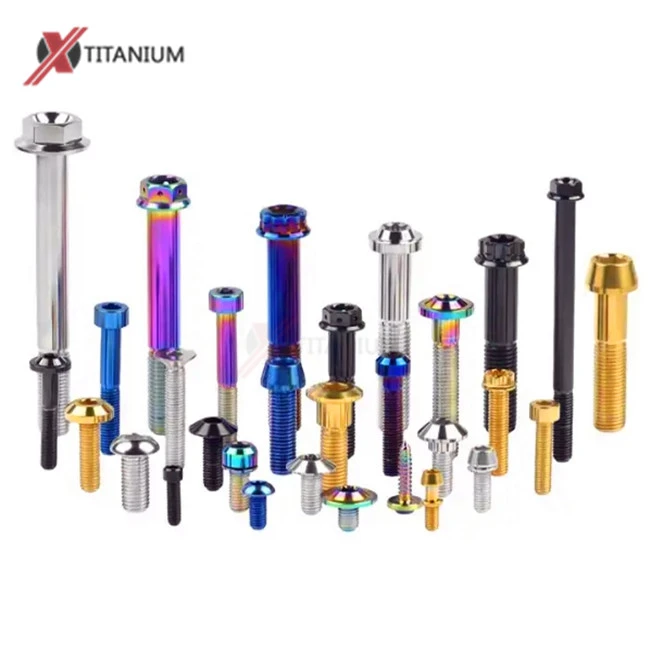
What Gr5 Titanium Bolt Kits Are Made Of and Include
What a Grade 5 Titanium Bolt Kit Contains
A motorcycle bolt kit organises the fasteners for one bike model or one section of a bike into a kit. Grade 5 titanium, often known as Ti-6Al-4V, is an alpha-beta alloy with about 6% aluminium and 4% vanadium. The kit may include bolts, nuts and washers, number depending on the type of motorbike. Bolts, nuts and washers are sold in kits of 10 to 50 pieces. Thread sizes are M6, M8, M10, M12, additional sizes are available upon request. A kit saves the owner the hassle of finding each fastener individually. This also ensures uniformity in head type, polish and colour over the whole bike. This is the primary reason why vendors favour sets over single bolts.
Machining and Surface Treatment Options
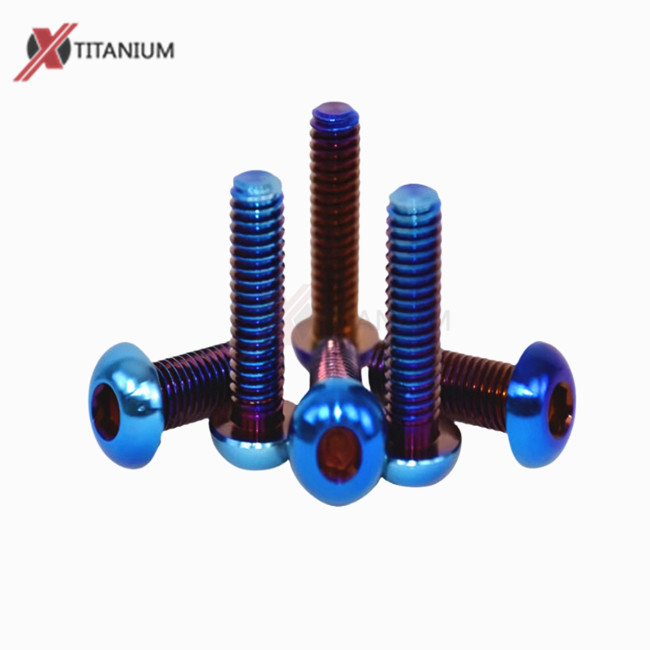
Chuanglian CNC machines these fasteners to ensure that dimensions are consistent from part to part. After machining the surface may be polished, anodised or nitrided. Polishing produces a shiny and smooth finish. Anodising forms a thin layer of oxide on the titanium and that layer provides colour. Available colours: titanium natural, gold, blue, green, purple, black, rainbow. Nitriding creates a harder surface layer that may minimise wear in regions of contact. The colour of anodised material depends on the thickness of the oxide layer thus I recommend you approve a colour sample and then run the whole kit as one batch. Then all the bolts line up. This is extremely important for online retailers as the pictures of the goods depict the whole set together.
Technical Specifications at a Glance
The basic specs for Gr5 titanium bolt kits for motorcycle are straightforward. The material is Grade 5 titanium (Ti-6Al-4V) and our kits have a tensile strength of 1,000 MPa. The alloy density is around 4.43 g/cm³ vs steel at about 7.85 g/cm³. This difference is why bolts may be up to 45% lighter than steel bolts of the same design. Thread sizes include M6, M8, M10 and M12. Custom sizes available on request. Buyers may request a material certification that references ASTM B348, which sets out the mechanical and chemical standards for Grade 5 bar stock. The actual weight saved will vary on the bolt size, design and the original material, therefore each kit should be assessed on its own parts list.
Where Gr5 Titanium Bolt Kits Are Used on Motorcycles
Fairings, Bodywork, and Engine Covers
The most typical starting point is fairing and bodywork hardware. These bolts carry low weights, but sit in rain, road spray and wash water. So steel versions commonly rust or discolour. Titanium solves that issue and provides the complete set one finish. Engine cover bolts are also a popular option since they are visible and go through multiple heat cycles. That’s why model-specific sets are popular, since sport motorcycles like the Honda CBR, Yamaha R1 and Ducati Panigale have dozens of these fasteners. The major criteria there are thread pitch, length and head clearance rather than high strength. Alloy grade is less important than the bolt schedule.
Exhaust, Foot Pegs, and Handlebar Hardware
Vibration, heat and moisture are the enemies of exhaust brackets, foot peg mounts and handlebar gear. Titanium doesn’t rust, so these bolts may be removed after many seasons of riding and cleaning. Foot pegs and controls also suffer a lot of hand and boot hits. A polished or anodised head preserves a cleaner appearance longer. Heat may change the anodised colour. Parts near the exhaust may become darker over time. I advocate natural or polished finishes in hot areas. Buyers should still verify the OEM torque value and bolt length for each location. The precise size of washers will help prevent marks on painted or soft surfaces as you tighten down.
Suspension, Frame, and Other Load-Bearing Locations
Suspension, frame, steering, wheel, and brake fasteners carry the highest loads, so Gr5 titanium bolt kits for motorcycle use in these positions need extra care. Grade 5 has a high strength-to-weight ratio, and suspension and frame components appear among the listed applications. Still, titanium has a lower elastic modulus than steel, roughly 114 GPa against about 200 GPa. A joint can therefore respond differently under preload. Titanium threads can also gall. For that reason, I advise checking OEM strength class, preload, temperature, and fatigue needs before replacing any safety-critical bolt. Approval from a qualified mechanic or engineer should come first. A position-by-position review works better than replacing every bolt at once.
Benefits and Material Comparison
Main Benefits for Riders and Brands
Here are the core advantages of Grade 5 titanium for motorcycle fasteners.
- Lower weight: Titanium alloy has a density of about 4.43 g/cm³, against roughly 7.85 g/cm³ for steel, so bolts of the same design can be up to 45% lighter. A full set removes weight from the bike. The total saving still depends on bolt count, size, and the original material.
- Corrosion resistance: Titanium forms a stable oxide film that resists saltwater, road salt, and many acids and alkalis. Owners in coastal areas, or in states that salt roads in winter, see fewer rust stains and fewer seized bolts over the years.
- Appearance and consistency: Polishing and anodizing in seven color options let a brand present a matching set. Online sellers rely on before-and-after photos, and one uniform color across all fasteners makes those images clear and supports a premium price.
These advantages address three common problems of plated steel hardware: rust, extra weight, and mismatched finishes.
Grade 5 Titanium vs. Stainless Steel, Aluminum, and Steel
Every substance has its place. Stainless steel is cheaper, and good enough for most hardware applications, but heavier than titanium. Aluminium is lighter than titanium and is available in brilliant colours. It's weaker and wears down quicker, therefore it's good for cosmetic, low-load places. Plated steel is still the OEM option for many high-load joints because it is robust, stiff, and affordable. Grade 5 titanium is much lighter than steel, and has a unique combination of strength and corrosion resistant properties, but is more expensive. Therefore it makes the greatest sense for luxury projects, racing, restorations and vendors whose clients anticipate a higher-grade product. Buyers should examine tensile strength, fatigue requirements, finish and overall cost.
Installation and Torque Practice
A good installation preserves the thread and the investment. Clean up the hole. Compare each titanium bolt to the OEM bolt removed for length, pitch, head shape and washer. Use an anti-seize agent if the manufacturer allows it since titanium may gall when threaded dry. Do not lubricate brake surfaces and electrical connectors. Lubricant affects the connection between torque and clamp load. Use the recommended torque value for lubricated threads and a calibrated torque wrench. Torque in stages. Do not use impact tools. Then inspect the seating and alignment and note the torque for servicing records. In wet situations use an isolating washer or compound where titanium contacts magnesium parts to minimise galvanic corrosion.
How to Choose and Source Gr5 Titanium Bolt Kits for Motorcycle Brands?
Fitment and Compatibility
Fitment errors are a common cause of bad reviews, because a missing or extra bolt leads to complaints and reshipments. Start with make, model, year, and engine version. Then build the bolt schedule from the service manual or OEM parts diagram. Record thread diameter, pitch, length, head style, and washer for every position. Universal kits rarely cover every model, so verify each count and size. When we develop a kit for a new model, buyers can send OEM part numbers, drawings, or sample hardware. A sample set should be test-fitted on a real bike before bulk production. Honda, Yamaha, Kawasaki, Suzuki, Ducati, and BMW each use different fastener layouts.
Quality Checks Buyers Should Request
Kits mix many sizes, so quality control matters at every step. Here are the checks I suggest asking any supplier about.
- Material verification: Ask for certification showing Ti-6Al-4V to ASTM B348, ideally supported by spectrometer or XRF testing. Grade 2 titanium is cheaper and softer, yet it can look identical to Grade 5. Paperwork and testing are the only dependable ways to tell the two apart.
- Dimensional inspection: Check thread pitch, length, and head size with calibrated gauges, including go/no-go thread gauges. Confirm that polishing, anodizing, or nitriding does not change the fit. Test a sample from each batch on the actual part before the full run ships.
- Count and color check: Before packing, count every piece against the model's bolt list and compare colors under the same light. A kit with a missing washer or one off-shade bolt harms a brand more than a short delay in shipping.
These checks reduce remakes, returns, and replacement shipments that raise after-sales cost for Gr5 titanium bolt kits for motorcycle.
Working with a Supplier and Avoiding Common Mistakes
Common errors include picking by colour, presuming all titanium is grade 5, and changing crucial steel bolts without checking. Supplier should provide evidence of expertise in machining, traceability of material, records of inspection, competency in packing and export documentation. Baoji Chuanglian New Metal Material Co., Ltd. has over 10 years expertise in titanium machining and research, based in the City of Titanium - Baoji. We have 12 CNC machine tools and a quality control system that inspects every stage, from raw material to the final product. Our titanium products are also used in the racing, aerospace, medical, and ship machinery industries. Get answers to questions on samples, lead time, quantities and private label packaging before you commit. Also be sure to plan ahead for recurring orders and new model development.
Conclusion
Gr5 titanium bolt kits for motorcycle projects. Replace chosen steel fasteners with Ti-6Al-4V hardware. Lighter. Rust, salt, acids and alkalis resistant. The finest fittings include fairings, bodywork, engine covers, exhaust brackets, foot pegs and handlebar hardware. Suspension, frame and other safety important locations need OEM and technical assessment. Titanium has lower elastic modulus and may gall. Titanium is more costly than stainless steel, aluminium and plated steel, but it provides a better combination of weight, strength and corrosion resistance. Proper fitting, anti-seize, calibrated torque, certified material (Grade 5) and consistent finish all contribute to a kit’s performance and look. The most reliable outcome is to choose by application first, then finish and pricing.
FAQ
Can I replace every steel bolt on my motorcycle with titanium?
No. Cosmetic and low-load positions suit titanium well. Brake, suspension, steering, wheel, and frame bolts need OEM or qualified engineering approval before any change, because strength class and preload must match the original design.
Do I need anti-seize on Grade 5 titanium bolts?
In most cases, yes. Titanium can gall in threads, so apply a suitable anti-seize compound where the manufacturer permits it. Then use a calibrated torque wrench with the approved value for lubricated threads.
How can I tell Grade 5 from Grade 2 titanium?
Appearance and color cannot show the grade. Request material certification referencing ASTM B348, and ask for spectrometer or XRF testing on a sample from each batch.
Contact Chuanglian for Gr5 Titanium Bolt Kits for Motorcycle Orders
Chuanglian, based in Baoji, the City of Titanium, has over ten years of titanium machining experience. We offer CNC-machined, customized kits in polished, anodized, or nitrided finishes. Looking for a Gr5 titanium bolt kits for motorcycle manufacturer? Send your model, bolt list, drawings, finish, and quantity for a fitment review and quote. Email info@cltifastener.com or djy6580@aliyun.com.
References
1. ASTM B348/B348M Standard Specification for Titanium and Titanium Alloy Bars and Billets, 2019
2. ASM Handbook, Volume 2: Properties and Selection: Nonferrous Alloys and Special-Purpose Materials, 1990
3. Materials Properties Handbook: Titanium Alloys, ASM International, 1994
4. Titanium: A Technical Guide, 2nd Edition, ASM International, 2000
5. Titanium and Titanium Alloys: Fundamentals and Applications, Wiley-VCH, 2003
6. An Introduction to the Design and Behavior of Bolted Joints, 3rd Edition, Marcel Dekker, 1995
Learn about our latest products and discounts through SMS or email