- English
- French
- German
- Portuguese
- Spanish
- Russian
- Japanese
- Korean
- Arabic
- Greek
- German
- Turkish
- Italian
- Danish
- Romanian
- Indonesian
- Czech
- Afrikaans
- Swedish
- Polish
- Basque
- Catalan
- Esperanto
- Hindi
- Lao
- Albanian
- Amharic
- Armenian
- Azerbaijani
- Belarusian
- Bengali
- Bosnian
- Bulgarian
- Cebuano
- Chichewa
- Corsican
- Croatian
- Dutch
- Estonian
- Filipino
- Finnish
- Frisian
- Galician
- Georgian
- Gujarati
- Haitian
- Hausa
- Hawaiian
- Hebrew
- Hmong
- Hungarian
- Icelandic
- Igbo
- Javanese
- Kannada
- Kazakh
- Khmer
- Kurdish
- Kyrgyz
- Latin
- Latvian
- Lithuanian
- Luxembou..
- Macedonian
- Malagasy
- Malay
- Malayalam
- Maltese
- Maori
- Marathi
- Mongolian
- Burmese
- Nepali
- Norwegian
- Pashto
- Persian
- Punjabi
- Serbian
- Sesotho
- Sinhala
- Slovak
- Slovenian
- Somali
- Samoan
- Scots Gaelic
- Shona
- Sindhi
- Sundanese
- Swahili
- Tajik
- Tamil
- Telugu
- Thai
- Ukrainian
- Urdu
- Uzbek
- Vietnamese
- Welsh
- Xhosa
- Yiddish
- Yoruba
- Zulu
What are the common applications for titanium anode mesh?
Titanium anode mesh is an important electrochemical part in industrial settings that need to have high rust protection and stable current flow. This unique material combines high-purity titanium plates (usually Grade 1 or Grade 2) with advanced layers like mixed metal oxides or platinum. This makes an anode that is more stable in terms of size and performance than regular materials. This technology is used in many fields, from metal recycling to treating water, to keep operations running smoothly, cut down on downtime, and make tools last longer. When buying teams and engineers know where these anodes work and how they do it, they can make better decisions that affect the success of the project and how much it costs in the long run.
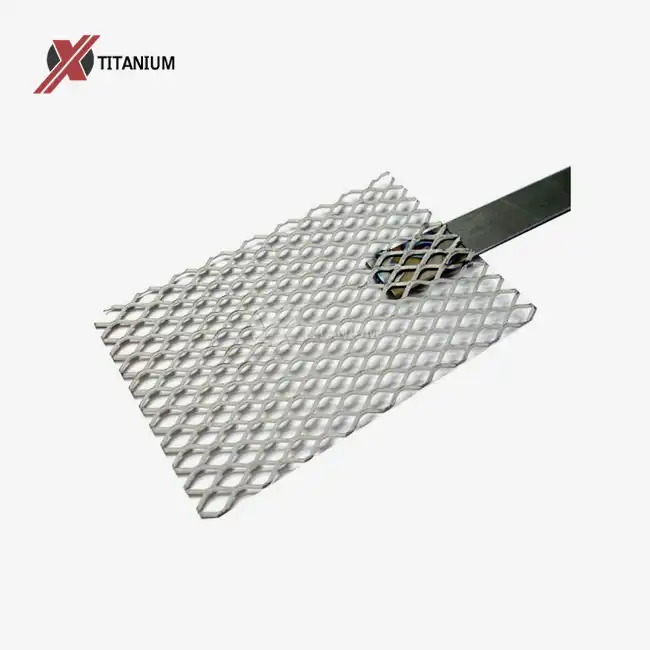
Understanding Titanium Anode Mesh: Properties and Benefits
Titanium anode mesh is a big step forward in electrochemical engineering because it combines material science with real-world needs in industry. The base is made up of titanium sheets that have been stretched out or punched out according to ASTM B265 standards. This makes sure that the purity and mechanical properties stay the same. What makes these anodes different from other options is the covering technology they use. They use valuable metal oxides that are applied through heat breakdown processes and bond with the titanium surface at the molecular level.
Core Material Characteristics
The makeup of the stuff is what makes it work. Titanium grades 1 and 2 are the best combinations of rust resistance and shapeability. This means that makers can make mesh patterns that cover the most surface area while still keeping the structure strong. The expanded mesh design keeps gases from getting trapped during electrochemical reactions, which is a problem that often happens with solid plate designs and makes the current less efficient. This shape also makes sure that the electrical paths stay connected, so there are no problems with contact resistance like there are in twisted wire structures.
Coating Technology and Performance Enhancement
The titanium base of the titanium anode mesh is turned into an active electrode surface by mixed metal oxide layers. Ruthenium-iridium and iridium-tantalum mixtures are the most common in industry. Each one works best in a certain pH range and at a certain working temperature. These surfaces have great electrical activity, which means that oxygen or chlorine evolution processes need a lot less overpotential. What this means is that energy is saved directly—industrial clients report power use dropping by 10% to 20% compared to older anode technologies.
Rigid quality control rules are used during the manufacturing process at places like Baoji Chuanglian. Each batch of products is tested for stiffness, bending, and hydraulic strength to make sure the structure is sound. The covering treatment follows exact thickness guidelines, and the amount of valuable metal used is based on how the product is supposed to be used. Heat treatment processes make sure that the base and layer stick together well, so they don't come apart even when the temperature changes and the current density is high.
The technical factors set the limits of operations that people who work in buying need to know about. The electrical conductivity stays high in settings ranging from 0 to 14, so it can work in both strongly acidic and strongly alkaline conditions. It can handle temps up to 80°C when it is running all the time, and it can handle higher temperatures when the process starts up or changes. Because of these specs, the material can be used in harsh industrial settings where regular anodes break down too soon.
Common Industrial Applications of Titanium Anode Mesh
When you look at how dimensionally stable anodes are used in different industries, you can see how flexible they are. Each use relies on different qualities of the material to address different operating issues. This shows why technical specs are important when making purchasing decisions.
Electroplating and Surface Treatment
To finish metal, you need to have exact control over the rate of formation and the quality of the surface. Anodes in these systems need to stay the same size over long production runs so that electrode spacing changes don't cause plating thickness to be uneven. The mesh arrangement spreads current evenly across complicated part shapes, getting rid of the shading effects that come with hard anode bars. The constant performance that lowers rejection rates and boosts output is valued by electroplaters who work with ornamental chromium, industrial zinc, or valuable metals.
Better electrolyte movement is another useful benefit of the larger mesh design in plating tanks. Keeping concentration differences and getting rid of gas bubbles that form on the anode surface is done by solution flow through the mesh holes. This natural mixing takes the place of mechanical stirring systems, which makes tank design easier and upkeep less important. When companies with high-volume plating lines move from lead-alloy or graphite anodes, they report bath life getting longer and fouling going down.
Cathodic Protection Systems
To keep infrastructure in good shape, it needs solid defense against rust in harsh settings. To protect steel parts, induced current cathodic protection devices put anodes inside reinforced concrete buildings or float them in salt water. It works really well in concrete uses like bridge decks, parking structures, and tunnel linings because the ribbon-like shape fits right into the top layers without adding a lot of weight or messing up the structure.
Conditions are even worse for marine uses. Offshore platforms, ship decks, and port facilities are always exposed to salty water with lots of chloride, changing temperatures, and waves and currents that put stress on the structures. Anodes that are used in these conditions need to be able to handle both electrical breakdown and physical damage from sea life and trash. The titanium anode mesh is very strong, and it doesn't conduct electricity very well. This means that it effectively provides safety current while staying in place for decades of use.
Water and Wastewater Treatment
More and more, municipal and industry water treatment plants are using electrical ways to clean and cleanse the water. On-site hypochlorite generation systems turn brine solutions into sodium hypochlorite for chlorination. This gets rid of the risks that come with transporting and storing commercial bleach. In these electrolyzers, the anode mesh works all the time, making chlorine gas that dissolves right away in the water phase. Because they have a lot of surface area and good mass transfer properties, small cell shapes can fit into treatment equipment that is already in place.
Different problems need to be solved for wastewater cleaning, mainly the burning of organic substances and the precipitation of heavy metals. Anodes are used in electrochemical oxidation processes to make hydroxyl radicals and other reactive species that break down pollution that don't go away. Because treated titanium is chemically stable, it can handle the complex mix of toxins and keep working even when the contaminants are different. Treatment centers like how flexible the operations are because changing the current density directly controls the severity of treatment without having to change the drug doses.
Chemical Processing and Metal Recovery
Electrowinning is used in extractive metallurgy to get back pure metals from leach solutions. Stable anode performance that keeps the solution pure is good for copper, nickel, zinc, and valuable metals precipitation. In contrast to disposable anodes, which dissolve into the electrolyte, inactive anodes only help the oxygen evolution process happen. This lets metals settle smoothly on cathodes without getting messed up. This difference is very important in high-purity situations, where even small amounts of impurities can change the end product's specs.
Anodes are used in both organic and metal electrosynthesis methods for chemical synthesis. For chlorate compounds, peroxydisulfates, and other specific chemicals to be made, exact electrical conditions must be met. Because the performance is reliable and service times are long, process error is low, which lets makers keep product specs tight. Operations managers like that replacing anodes cuts down on downtime. Longer campaigns between repair breaks help with organizing and lower the cost of keeping supplies on hand.
How Titanium Anode Mesh Works in Different Applications?
When engineers understand practical principles, they can choose the right anode designs for each process need. The basic electrical ideas stay the same, but the specifics of how they are used change a lot from one application to the next.
Electrochemical Reaction Mechanisms
Oxidation processes happen at the anode surface because of current flow through the mesh. The electrolyte makeup determines the specific products. In fluids with chloride, chlorine evolution is the main process. Depending on the situation, sulfate salts can make oxygen and maybe even peroxydisulfates. The coating's make-up affects how selective the reaction is; different mixed metal oxide formulas favor certain routes, which lets target products be optimized.
Current Distribution and Mesh Geometry
Spreading the current evenly across the electrode surfaces stops some areas from getting too hot and the coating from wearing off too quickly. The mesh design makes many paths for current to flow, spreading electrical activity across the whole surface instead of just collecting it at the edges or high-field areas. Because of this physical benefit, mesh anodes usually last longer than solid plate versions under the same working conditions. This is because stress that is concentrated in one area is spread out over a bigger active area.
Manufacturing Quality and Service Life
Methods of production have a direct effect on how well fields work. Before they are shaped into mesh patterns, both cold-rolled and hot-rolled titanium sheets are annealed to remove internal stresses. Surface particles are removed by pickling or acid cleaning, which makes the base ready for the coating to stick to it. To put on a coating, precursor solutions are painted on with a brush or sprayed on, and then they break down at controlled temperatures. Several covering cycles are needed to get the desired thickness, and fire steps in between each cycle make sure that the layers stick together.
Quality testing procedures check the quality of both the base and the finish. Tests of hardness show that the heat process was done right. Bending tests check how flexible and sticky the layer is when put under mechanical stress. Electrical resistance tests find out if the layer is the same all over the net surface. These steps of testing are standard practice for qualified makers and make sure that the goods they give meet certain performance standards.
Comparing Titanium Anode Mesh to Other Anode Materials
When choosing materials, you have to think about a lot of things, like how much they cost, how much they run, how long they last, and how well they work. When making choices about what to buy, it helps to know how different types of anodes work in real-world situations.
Performance Against Graphite Anodes
Graphite was the usual material for anodes for many years because it was easy to find and didn't cost much. Consumption during function, on the other hand, has big problems. The anode's surface is always wearing away, so it needs to be replaced often. This also makes the solutions dirty with carbon particles. Element spacing changes when dimensions change, which impacts the efficiency of the current and the quality of the result. These problems don't happen at all with titanium anode meshes because the inactive layer stops consumption and keeps the shape fixed over the lifetime of the device. The initial investment is higher, but the total cost of ownership is lower because you don't have to repair things as often and the process is more consistent.
Cost Comparison with Platinum
Platinum and platinum-plated anodes work very well, but they cost a lot of money to buy. Because valuable metals are so expensive, these anodes can't be used for anything but specific tasks that need platinum's unique catalytic qualities. Coated titanium mesh is just as resistant to rust and has the same electrical activity as platinum, but it costs a lot less. The titanium base gives the structure strength, and the thin oxide covering helps the reaction happen. This mixture meets performance goals while keeping buying costs under control, which is very important for projects with limited capital.
Advantages Over Solid MMO Plates
Mixed metal oxide technology can be used on a wide range of material shapes. Solid plates are easy to place and connect electrically, but they lose some of the efficiency of their surface area. The mesh style shows more active surface area per unit of predicted area, which lets smaller cell shapes have higher current rates. Mesh also makes it easier for electrolytes to get to and for gases to escape, which makes mass movement easier. Mesh configurations are better than plate layouts for projects that need to get the most out of a small installation area.
Procurement Guide for Titanium Anode Mesh
There's more to making choices about sources than just checking price quotes. Long-term project success is affected by the dependability of the supply chain, the level of expert help available, and the skills of the maker. These things are taken into account by procurement teams while still meeting project deadlines and price limits.
Evaluating Supplier Qualifications
Manufacturer approval is the first set of screening factors. The use of ISO 9001 quality control systems shows a dedication to regular production methods. Certifications that are specific to an industry, like AS9100 for aircraft or medical device registrations, show that you can meet strict standards. It's important to have enough production capacity so that providers can handle big orders without affecting shipping times. In addition to basic production, technical skills include checking metals, creating new covering formulas, and helping with application engineering.
Customization and Technical Specifications
Standard products can be used for many things, but sometimes specific needs mean that they need to be customized. Operating factors change the size of the mesh hole, the type of covering, and the amount of valuable metal that is loaded. Suppliers with their own technical teams work with customers to find the best anode specs for each method. This technical conversation during the buying process makes sure that the supplied goods meet the needs of the application without having to make process changes to fit off-the-shelf materials.
Delivery Reliability and Lead Times
Due to the many steps needed to make the titanium anode mesh, production runs usually last a few weeks. Getting the raw materials, making the mesh, applying the covering, and checking the quality all take time. Established sellers keep popular designs in stock to cut down on shipping times, but unique orders take longer to make. These facts should be taken into account when making purchases, especially for projects with set start dates. Building ties with dependable makers makes the supply chain more stable. Verified providers get return orders because they have already shown they can do the job.
Cost Considerations and Value Analysis
In order to compare prices, you need to know what features each quote comes with. What kind of base it is, how thick the coating is, and how much valuable metal is loaded all affect both cost and service life. Items that are less expensive might have thinner coats or oxide formulas that are less expensive, but these can make the products less durable. It's easier to understand when you look at the total cost of ownership instead of the initial buying price. If the anode lasts twice as long, it's worth the higher initial cost because it will need to be replaced less often and cost less over its lifetime. Transparent sellers give thorough specs that make it possible to compare things in a useful way.
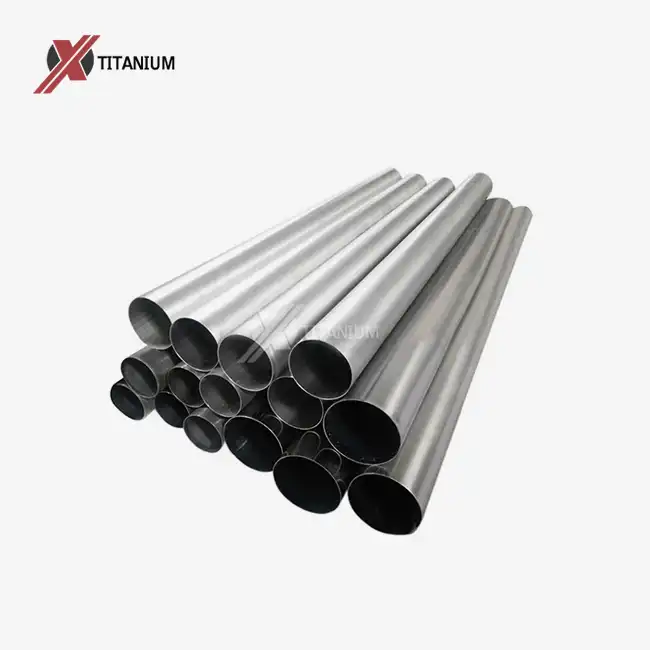
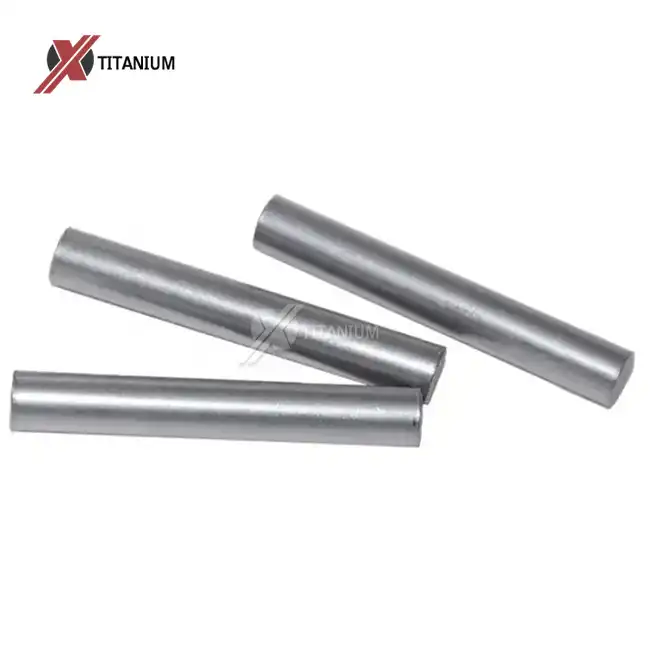
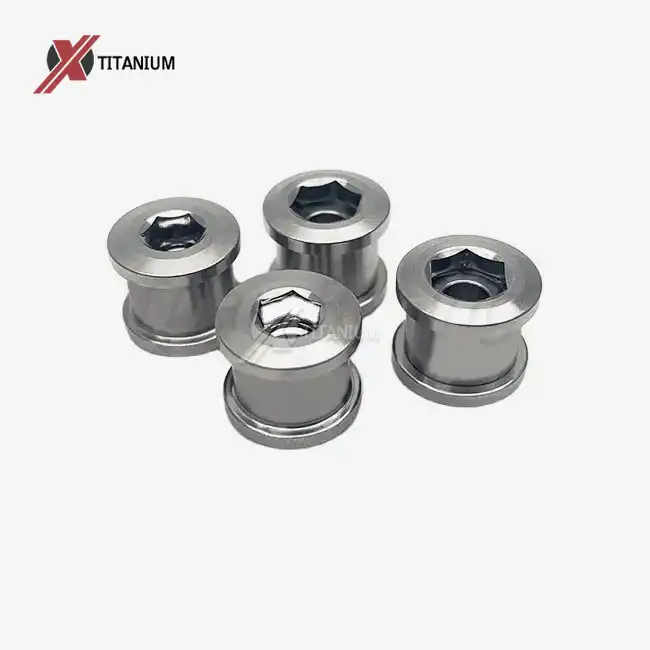
Baoji Chuanglian New Metal Material has been working with titanium for more than ten years and can help with these buying decisions. Our plant is in Baoji City, which is known around the world as the "City of Titanium." It has specialized tools and technical know-how for making things out of rare metals. Titanium bolts, rods, wire, plate, tube, flanges, and finished parts are all things that we can make. We can handle them in a lot of different ways, such as by cold rolling, hot rolling, heating, and applying different surface treatments. At every stage of production, from checking the raw materials to inspecting the finished product, strict quality control rules make sure that the anodes supplied meet international standards and customer requirements.
Conclusion
Titanium anode mesh technology solves some of the most important problems in electrochemical processing by providing stable performance, long service life, and energy savings in a wide range of industry settings. These dimensionally stable anodes work better than other materials at treating water and recovering metals while also cutting down on costs. Knowing the qualities of an object, what it needs to be used for, and how to buy it can help you make smart choices that improve the results of a job.
Corrosion-resistant surfaces, advanced covering technologies, and improved shapes work together to make a solution that can be used in a variety of situations. Working with skilled makers gives you access to the technical know-how, customization options, and reliable supply chain that are necessary for a successful application. Coated titanium mesh anodes are a tried-and-true way for businesses to meet their changing needs for better performance and longer service times.
FAQ
What service life can I expect from coated titanium mesh anodes?
Operating factors, such as current intensity, pH, temperature, and coating standard, can change how long the titanium anode mesh lasts. In normal situations, industrial systems can run nonstop for 5 to 10 years, and in some cases, they can last longer than 15 years. Higher current rates or pH levels that are too high or too low speed up the wear of coatings, making it necessary to change them more often.
Can mesh specifications be customized for specific process requirements?
Customization is something that all skilled makers can do. The size of the mesh openings can be changed to match the amount of surface area with the needs of the structure. Coating formulas are different depending on the process that is being aimed at—optimized oxide ratios help with chlorine evolution, oxygen generation, and custom chemical synthesis.
How does its resistance to rust compare to other anode materials?
Mixed metal oxide layers on titanium surfaces are better at resisting chemical attack across a wide pH range, from very acidic to very basic. It is chemically stable, unlike graphite (which wears away through oxidation) or lead metals (which rust through pitting corrosion). The titanium base adds extra safety; even if the coating gets damaged, the titanium below makes an inactive oxide layer that keeps the whole thing from breaking. This approach of multiple layers of protection explains why some materials last so long in harsh industrial settings where other materials break down quickly.
Partner with a Reliable Titanium Anode Mesh Manufacturer
Selecting the right titanium anode mesh technology requires balancing the need for speed with the available budget while also making sure that the supply chain is stable. Chuanglian is an expert at sending high-quality titanium anode mesh along with reliable delivery plans and full technical support. Our research team works with clients to make sure that the anode specs are perfect for each application and that the material qualities match the needs of the process.
Tough quality control is used throughout the whole production process, from choosing the titanium to the final check. This makes sure that all production batches work the same. Procurement managers, process engineers, and project managers are welcome to talk to our technology experts about unique needs. Get in touch with us at info@cltifastener.com or djy6580@aliyun.com to find out how our titanium anode mesh options can help you reach your business goals.
References
1. Chen, G. (2020). Electrochemical Technologies in Wastewater Treatment. Industrial Water Treatment Press.
2. Comninellis, C., & Chen, G. (2018). Electrochemistry for the Environment: Fundamentals and Applications in Pollution Sensors and Abatement. Springer Publishing.
3. Karlsson, R., & Cornell, A. (2019). "Selectivity and Durability of Electrode Materials in Electrochemical Water Treatment." Journal of Applied Electrochemistry, 49(8), 825-841.
4. Schmuki, P. (2021). Titanium and Titanium Alloys: Fundamentals and Applications in Surface Engineering. Wiley-VCH.
5. Trasatti, S. (2017). "Electrocatalysis: Understanding the Success of DSA Electrodes." Electrochimica Acta, 45(15-16), 2377-2385.
6. Walsh, F. C., & de Leon, C. P. (2019). "Progress in Electrochemical Flow Reactors for Laboratory and Pilot Scale Processing." Electrochimica Acta, 280, 121-148.
Learn about our latest products and discounts through SMS or email