- English
- French
- German
- Portuguese
- Spanish
- Russian
- Japanese
- Korean
- Arabic
- Greek
- German
- Turkish
- Italian
- Danish
- Romanian
- Indonesian
- Czech
- Afrikaans
- Swedish
- Polish
- Basque
- Catalan
- Esperanto
- Hindi
- Lao
- Albanian
- Amharic
- Armenian
- Azerbaijani
- Belarusian
- Bengali
- Bosnian
- Bulgarian
- Cebuano
- Chichewa
- Corsican
- Croatian
- Dutch
- Estonian
- Filipino
- Finnish
- Frisian
- Galician
- Georgian
- Gujarati
- Haitian
- Hausa
- Hawaiian
- Hebrew
- Hmong
- Hungarian
- Icelandic
- Igbo
- Javanese
- Kannada
- Kazakh
- Khmer
- Kurdish
- Kyrgyz
- Latin
- Latvian
- Lithuanian
- Luxembou..
- Macedonian
- Malagasy
- Malay
- Malayalam
- Maltese
- Maori
- Marathi
- Mongolian
- Burmese
- Nepali
- Norwegian
- Pashto
- Persian
- Punjabi
- Serbian
- Sesotho
- Sinhala
- Slovak
- Slovenian
- Somali
- Samoan
- Scots Gaelic
- Shona
- Sindhi
- Sundanese
- Swahili
- Tajik
- Tamil
- Telugu
- Thai
- Ukrainian
- Urdu
- Uzbek
- Vietnamese
- Welsh
- Xhosa
- Yiddish
- Yoruba
- Zulu
What is a titanium anode rod?
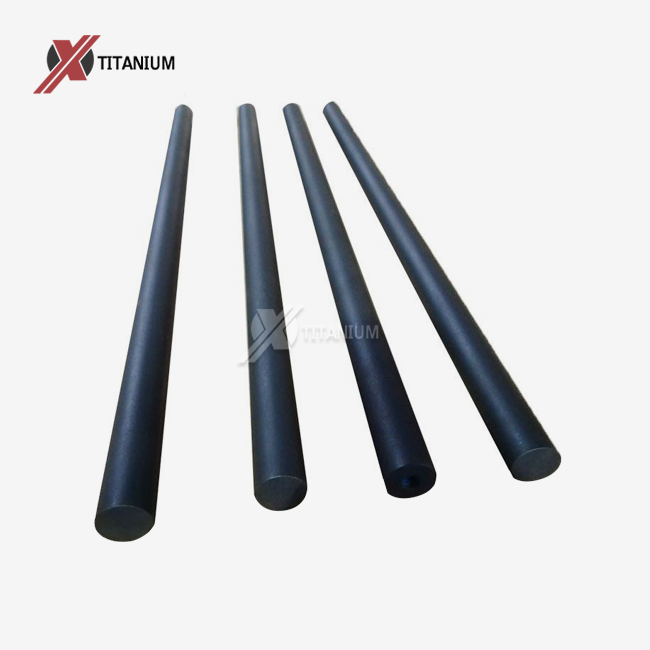
A titanium anode rod is a high-tech electrochemical protection device made mostly of Grade 2 titanium. Its job is to keep water heaters, storage tanks, and water treatment systems from rusting by using impressed current cathodic protection (ICCP). Unlike regular sacrificial anodes, which break down over time, titanium-based anodes are covered with mixed metal oxides like iridium or ruthenium. This lets them deliver controlled electrical currents that stop chemical reactions without breaking down the rod itself. The structure and performance of these anodes will not change for 10 to 20 years in harsh settings, making them very durable.
Understanding Titanium Anode Rods: Definition and Core Functions
Corrosion is a steady threat to the safety and life of tools in many workplace settings. The problem is solved by titanium anode rods, which use electrical principles to keep metal surfaces from breaking down.
The Electrochemical Protection Mechanism
Titanium anodes work by sending a steady, small amount of electricity through the medium (usually water) that surrounds them. This current makes an electric field around the walls of the tank or vessel that protects them. This field changes the metal's surface potential so that it doesn't corrode. The titanium foundation is a solid, neutral conductor, and the mixed metal oxide covering is the active layer that lets electrons move without breaking down the base material. This is very different from spare anodes made of magnesium or aluminum, which break down slowly to protect.
Material Composition and Properties
The main material is pure titanium that meets ASTM B348 or B265 standards. It is usually Grade 2, has a tensile strength of 480 MPa, and a density of 4.43 g/cm³. To get the best electrical conductivity and adhesive for the catalytic coating, the surface is treated in a special way by cold rolling, hot rolling, heating, and freezing. Depending on the use, the final surface finish can be anything from shiny and polished to pickled or sanded. Its melting point of 1668°C makes it stable at high temperatures, even in industrial processes.
Extended Service Life and Reliability
Length of time is one of the best benefits for buying managers. Titanium anodes can protect devices for ten years or more if they are put correctly, while standard disposable anodes need to be replaced every two to four years. This longer service interval cuts down on repair downtime, labor costs, and the chance that equipment will break down unexpectedly during busy production times by a huge amount.
Titanium Anode Rods Versus Traditional Anode Rods: A Comparison for Better Decision-Making
When engineering teams know about the changes in materials between anode types, including the titanium anode rod, they can make standards that meet working needs and stay within budget.
Performance Characteristics Across Materials
Magnesium anodes protect strongly in low-resistance water, but they wear out quickly and can make hydrogen sulfide gas when bacteria react with the dissolved metal, which can cause smell issues. Aluminum anodes offer some defense and slow down the rate of consumption, but they may passivate in some types of water, making them less useful. Zinc anodes work well in marine settings, but they don't protect many industrial hot water systems well enough.
Titanium anodes get rid of all of these problems. They don't rust or dissolve, so silt doesn't build up and security stays the same no matter how hard the water is, how the pH changes, or how the temperature changes. The imposed current system changes the output based on the demand for protective current. This gives the best protection in a variety of situations without any need for human adjustment.
Cost-Benefit Analysis for Industrial Applications
The starting cost of titanium anode technology is three to five times higher than that of regular sacrificial anodes. Total cost of ownership estimates, on the other hand, show that over the lifecycles of the tools, there are big saves. If you change the anode less often, you won't have to pay for it as often and won't have to plan shutdowns for service. If you can keep your tank from failing, you can avoid huge costs like emergency fixes, water damage, production stops, and possible safety issues. Quality assurance teams are glad that dissolving anode metals no longer hurt the water quality, which can mess up important processes in the food and drug industries and in chip manufacturing.
Application Suitability Assessment
Different types of work settings need different ways to keep people safe. Titanium is very resistant to rust across the whole pH range, which is helpful for chemical processing plants that work with both acidic and basic solutions. Marine engineering projects that need to protect against rust in saltwater use this material because it has been shown to work well in chloride-rich settings. Titanium is biocompatible, which is important to medical device makers because it keeps ultra-pure water systems clean. Aerospace component cleaning systems need non-sacrificial anodes because they can keep their shape and work without contamination.
Installation, Maintenance, and Troubleshooting of Titanium Anode Rods
Titanium anode systems work at full protection voltage for a long time if they are set up correctly.
Installation Process and Requirements
The first step in installation is to check the system and make sure that the current tank port meets standard threading requirements, which are usually 3/4-inch NPT. The anode rod's diameter and length must match the vessel's size and shape. Standard widths are 20mm, 25mm, and 30mm, and lengths are 1000mm or 2000mm. Custom measurements can be made to fit specific designs, though. The power source unit needs to be mounted somewhere dry and with access to the right energy, which in North America is usually 120V AC. Local rules say that electrical connections must be made in a certain way, which usually requires a trained electrician.
Routine Maintenance Protocols
Titanium anode rods don't need as much care as spare anodes do, which need to be checked for usage on a regular basis. Checking the power source sign every three months to make sure it's working properly; a steady green light means it's working right. Using mild acidic solutions or mechanical ways, yearly removal and cleaning gets rid of any mineral scale buildup, returning the best current flow. Part of the quality control process is measuring the resistance between the anode and the tank shell to make sure that the numbers stay within the ranges set by the maker. Predictive maintenance plans and guarantee coverage are both backed up by detailed maintenance logs.
Common Issues and Resolution Strategies
The first step in troubleshooting is to check the warning lights. A red or flashing light usually means that the circuit has been broken. This can happen because of loose electrical connections or too much scale buildup in the wiring. These problems are generally fixed by cleaning the anode and checking all the wires. If the security doesn't seem to be enough, checking the water's chemicals may show problems that need to be fixed with the power source. Professional technical help from the maker gives advice that is specific to the application. This makes sure that the system is optimized without having to go through expensive trial-and-error methods.
Procurement Guide: How to Select and Buy Titanium Anode Rods for Industrial Use?
For strategic buying of titanium anodes, you need to look at more than just price when analyzing providers. You should also look at their professional skills and the chance of forming a long-term relationship.
Supplier Qualification and Certification
Reputable makers have strict quality control systems that are approved to ISO 9001 standards. For example, aircraft suppliers often have AS9100 certification, and companies that make medical products have to follow FDA rules. Material approvals link to mill test results that prove agreement with ASTM, AMS, or a similar foreign standard. The ability to test for things like strength, bend, and hydraulic integrity shows that the company cares about the integrity of its products. To make sure the manufacturing process is being controlled, ask for proof of readings of the coating's thickness and the results of binding tests.
Customization and OEM Capabilities
Standard stock items can be used in a lot of different situations, but custom making sets apart providers who can meet specific needs. Working together as engineers during the design phase makes sure that the anode shape, covering choice, and power supply size are all perfect for the water chemistry and tank setup you have. Before full-scale purchase, ideas are tested in the field and prototypes are made to make sure they work. This lowers the risk of implementation. Full expert support from suppliers includes application engineering help, installation supervision, and operator training, which speeds up the successful rollout process.
Evaluating Lead Times and Supply Chain Stability
Titanium supply lines can be unstable because the material is made in a specific way and comes from a few places around the world. Manufacturers that have been around for a while and have direct ties with titanium mills are able to keep inventory levels high and shipping plans stable. Ask about standard wait times for both standard and unique goods, and keep in mind that specialty finishes may need extra processing weeks. Suppliers who can make their products in the United States, especially those based in titanium production hubs like Baoji, China (also called the "City of Titanium"), often offer faster service and better prices for large orders.
Advanced Applications and Future Trends in Titanium Anode Rod Usage
Titanium anode technology is becoming more useful in more areas of industry as material science improves and concerns about ecology grow.
Industrial Water Treatment Systems
More and more, municipal water treatment plants are using titanium anode rods in big storage tanks and delivery systems. This is because dependability has a direct effect on public health and service consistency. Microbiologically influenced rusting (MIC) is stopped by this technology, which keeps defensive potentials that stop bacteria from colonizing tank surfaces. Desalination plants that deal with salty seawater depend on titanium's high resistance to chlorine, which keeps important infrastructure safe in harsh seaside settings.
Electrolysis and Electrochemical Processing
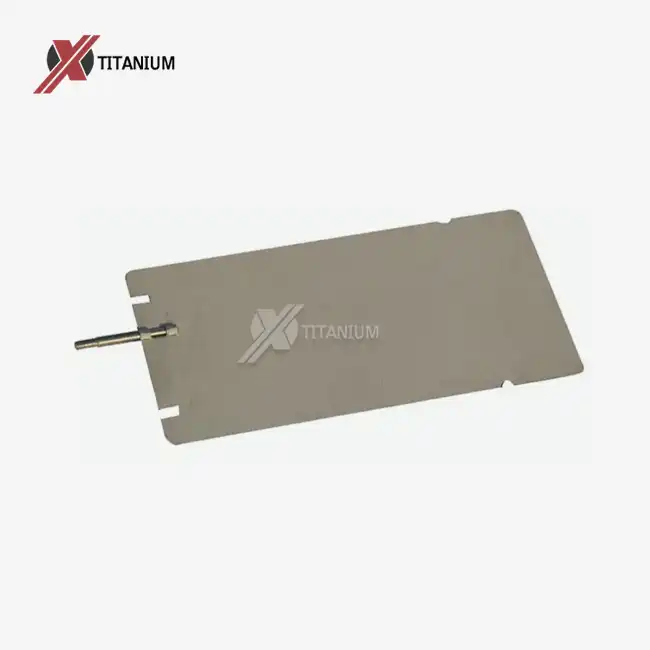
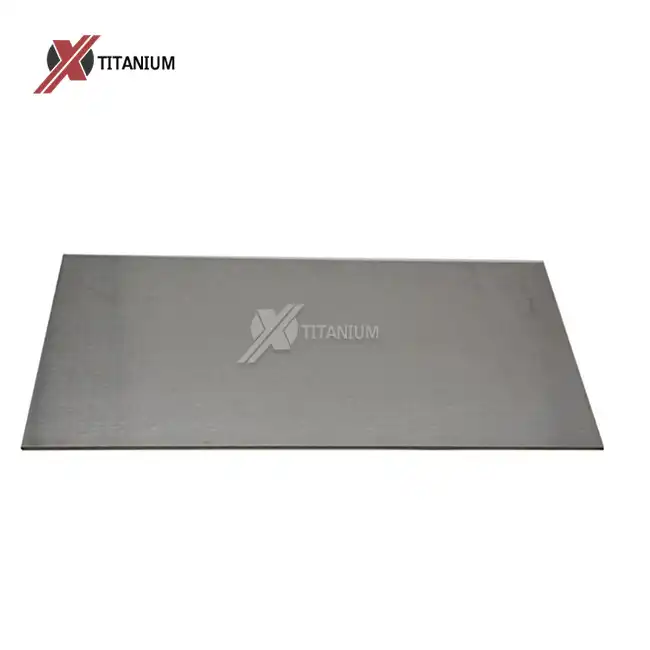
Anode materials that can handle high current rates in harsh solutions are needed for chlor-alkali production, metal electrowinning, and improved oxidation processes. These processes require a lot of energy, but titanium plates with special oxide layers make them possible. They are more efficient than standard graphite or lead anodes. The physical stability stops changes in geometry that would change the current distribution and make the process less regular. This keeps the quality of the product the same over long production runs.
Emerging Coating Technologies
More efficiency improvements are expected from research into improved catalytic surfaces. Nanostructured oxide layers improve the active surface area, which makes the current flow more efficiently and uses less energy. Platinum group metal loadings are being improved to find the best mix between performance and cost. This is especially important since the prices of valuable metals change all the time. Using different oxide compositions in multi-layer coating systems lets you tailor the electrochemical qualities to specific uses, which means they can be used in more situations than single-layer designs.
Sustainability and Lifecycle Considerations
More and more, environmental laws support devices that use fewer resources and make less trash. These goals are met by titanium anodes because they last for decades, so they don't need to be thrown away often. This also saves energy because they don't need to be made again and again. The lack of dissolved metals in wastewater streams makes treating water easier and cuts down on the use of chemicals. As more places require businesses to report on their environmental impact, the benefits of titanium-based security systems over their entire life cycle make a real difference in how well they protect the environment.
Conclusion
Titanium anode rods are a big step forward in rust protection technology. They offer unmatched dependability, working efficiency, and total cost savings over standard sacrificial anode systems for industry users. When you put together Grade 2 titanium's natural resistance to rust, advanced mixed metal oxide coats, and impressed current protection, you get decades of trouble-free use in the toughest situations.
When procurement teams look at different anode technologies, they shouldn't just look at the original buy price. They should also look at the total lifetime economics, because the longer service intervals, lower replacement costs, and fewer equipment breakdowns make the higher investment worth it. Partnering with qualified makers who offer full technical help, the ability to make changes, and strong quality control systems guarantees a smooth implementation and long-term operating success.
FAQ
How long do titanium anodes last compared to magnesium anodes?
Depending on the temperature and hardness of the water, magnesium sacrificial anodes usually need to be replaced every two to four years. Titanium anodes with mixed metal oxide coats are made to last 10 to 20 years under normal working conditions. This is often the same or longer than the remaining useful life of the equipment they protect. The longer resilience comes from the applied current system's non-consumable nature, which doesn't harm the base material to protect it.
Can titanium anodes eliminate water heater odor problems?
Standard magnesium anodes can help make hydrogen sulfide smell when sulfate-reducing bacteria break down the liquid magnesium and make the famous "rotten egg" smell. Titanium anodes fully get rid of this problem because they don't break in water. This means that germs can't get the nutrients they need to grow, and rust protection is kept up through electrical means.
Are titanium anodes compatible with all water heater types?
Titanium impressed current anodes work well in steel, steel with a glass liner, and stainless steel tanks for home, business, and industry use. Compatibility depends on the right size for the tank's volume, the right screw for the fitting port, and the right power source. Talking to the maker will help you figure out the right anode setup for your equipment and the nature of the water.
Partner with Chuanglian for Superior Titanium Anode Solutions
At Baoji Chuanglian New Metal Material Co., Ltd., we have more than ten years of experience handling and making titanium to meet the exact needs of customers around the world in aerospace, petrochemicals, marine engineering, and other industries. Our titanium anode rod solutions are made from Grade 2 approved titanium that has been through controlled processes like cold rolling, hot rolling, heating, and precision cleaning. This gives them great rust resistance and consistent dimensions. Baoji is known as the "City of Titanium" in China, and we make titanium anode rods there.
We have full CNC cutting skills and strict quality control systems to make sure that every product meets ASTM, ISO, and AMS standards. Our engineering team offers OEM and custom production services. They can make the anode measurements, surface finishes, and covering specs fit your exact needs. Chuanglian offers a stable supply chain, reasonable prices, and quick expert help, no matter if you need standard setups or custom designs for tough conditions. Talk to our experts right away at info@cltifastener.com or djy6580@aliyun.com about how our titanium anode goods can help you protect against rust and make your equipment last longer.
References
1. American Society for Testing and Materials. (2021). ASTM B348: Standard Specification for Titanium and Titanium Alloy Bars and Billets. ASTM International.
2. Davis, J.R. (Ed.). (2000). Corrosion: Understanding the Basics. ASM International Materials Park.
3. Shreir, L.L., Jarman, R.A., & Burstein, G.T. (Eds.). (1994). Corrosion: Metal/Environment Reactions Volume 1. Butterworth-Heinemann.
4. Schutz, R.W., & Thomas, D.E. (1987). Corrosion of Titanium and Titanium Alloys. In Metals Handbook Ninth Edition Volume 13: Corrosion. ASM International.
5. Morgan, J.H. (1987). Cathodic Protection: Its Theory and Practice in the Prevention of Corrosion. NACE International.
6. Cotton, J.B., & Hayfield, P.C.S. (2002). Impressed Current Anodes. In Uhlig's Corrosion Handbook Third Edition. John Wiley & Sons.
Learn about our latest products and discounts through SMS or email