- English
- French
- German
- Portuguese
- Spanish
- Russian
- Japanese
- Korean
- Arabic
- Greek
- German
- Turkish
- Italian
- Danish
- Romanian
- Indonesian
- Czech
- Afrikaans
- Swedish
- Polish
- Basque
- Catalan
- Esperanto
- Hindi
- Lao
- Albanian
- Amharic
- Armenian
- Azerbaijani
- Belarusian
- Bengali
- Bosnian
- Bulgarian
- Cebuano
- Chichewa
- Corsican
- Croatian
- Dutch
- Estonian
- Filipino
- Finnish
- Frisian
- Galician
- Georgian
- Gujarati
- Haitian
- Hausa
- Hawaiian
- Hebrew
- Hmong
- Hungarian
- Icelandic
- Igbo
- Javanese
- Kannada
- Kazakh
- Khmer
- Kurdish
- Kyrgyz
- Latin
- Latvian
- Lithuanian
- Luxembou..
- Macedonian
- Malagasy
- Malay
- Malayalam
- Maltese
- Maori
- Marathi
- Mongolian
- Burmese
- Nepali
- Norwegian
- Pashto
- Persian
- Punjabi
- Serbian
- Sesotho
- Sinhala
- Slovak
- Slovenian
- Somali
- Samoan
- Scots Gaelic
- Shona
- Sindhi
- Sundanese
- Swahili
- Tajik
- Tamil
- Telugu
- Thai
- Ukrainian
- Urdu
- Uzbek
- Vietnamese
- Welsh
- Xhosa
- Yiddish
- Yoruba
- Zulu
What is the application of an MMO titanium anode?
MMO coated titanium anodes serve as dimensionally stable electrodes in demanding industrial electrochemical processes. These specialized components combine a pure titanium substrate with a catalytic mixed metal oxide coating, delivering exceptional performance across chemical manufacturing, water treatment, electroplating, and cathodic protection systems. Their primary applications include chlor-alkali production facilities, wastewater oxidation plants, precision electroplating operations, and corrosion protection infrastructure for marine and underground installations, where traditional electrode materials fail to provide adequate lifespan or operational efficiency.
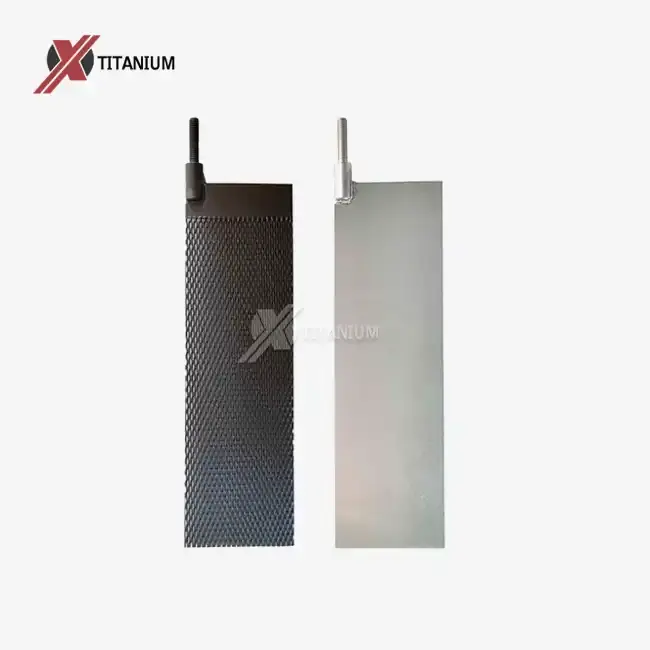
Understanding MMO Coated Titanium Anodes
These electrodes are based on advanced engineering because of how they are made. At Chuanglian, we make these mmo coated titanium anodes with Grade 1 or Grade 2 titanium plates that meet ASTM B265 standards. The surfaces are carefully prepared by pickling and polishing. The mixed metal oxide layer is put on using precise thermal decomposition methods and comes in sizes of 5 to 50 microns. It is usually made up of ruthenium oxide, iridium oxide, and other platinum group metal oxides.
This coating architecture fixes problems that have been bothering industry electrochemistry for a long time. Traditional graphite electrodes aren't stable in terms of their shape, and they add particles to electrolyte solutions. Lead-based options are bad for the environment and need to be replaced often. Our dimensionally stable anodes keep the same shape throughout their working life. This makes sure that the current flows smoothly and keeps the electrolyte from getting contaminated.
How the Coating Enhances Performance?
The mixed metal oxide layer's electrocatalytic qualities lower the need for too much overpotential during processes that release oxygen or chlorine. This directly saves energy, since our anodes have current efficiencies of over 90%, while most materials only have efficiencies of 70–80%. The layer can work in temperatures up to 200°C and keeps its shape in settings with pH levels ranging from very acidic to very basic.
The titanium base material contributes its inherent corrosion resistance and low density, while the mmo coated titanium anodes coating provides the necessary electrical conductivity and catalytic activity. This mix has a combined effect that makes the service life much longer than with other electrode methods. When used correctly, these anodes can work continuously for 5–10 years in chlor-alkali situations, while graphite options only last for 1–2 years.
Maintenance Requirements and Operational Efficiency
As part of routine inspections, the paint surface is looked at visually for any signs of wear or delamination. We suggest that high-load installations be checked every three months and moderate-duty installations be checked every six months. As part of the cleaning process, the catalytic layer is gently washed with acid to get rid of calcium carbonate deposits or organic fouling. To keep the coating's structure, you should not use harsh mechanical cleaning methods.
The most important thing for extending the life of an anode is to control the current level correctly. During installation, our technical team works with clients to set the best working settings based on the electrolyte composition and process needs of each client. Paying attention to features that are special to the application cuts down on downtime and lowers the total cost of ownership over the lifecycle of the product.
Industrial Applications of MMO Titanium Anodes
These electrodes are used in a lot of different industries because they are so flexible. Each application uses its own unique performance traits to deal with practical problems that are specific to its industry. For precise electroplating to work, the current must be distributed very evenly so that the coating thickness stays the same on parts with complex shapes. In acid copper plating, artistic chrome finishing, and valuable metal electrodeposition, our mmo coated titanium anodes work this well.
Electroplating and Metal Finishing Operations
The physical stability makes sure that the distance between the anode and cathode stays the same over long production runs. This stops the drop in soldering quality that happens with disposable electrodes. For aircraft parts that need hard chrome finishing, performance standards are very high. In these situations, the high current levels and harsh electrolyte chemicals make it faster for normal materials to break down.
Our mmo coated titanium anodes covering technology can handle these tough conditions and keep the low overpotential needed for energy-efficient use. Major makers of plane parts have bought anodes from us, and they say that their new systems use 40% less power than their old lead-based systems.
Wastewater Treatment and Electrochemical Oxidation
Using electrochemical oxidation to get rid of persistent organic pollutants that biological treatment methods can't handle is becoming more common in municipal and industry wastewater treatment. During water oxidation, hydroxyl radicals are made at the anode surface. These radicals break down chemicals that range from pharmaceutical leftovers to industrial solvents. In sewer uses, where organic loading, suspended solids, and conductivity all change a lot, our anodes work consistently even when the water quality isn't stable.
Our anode technology was used in the color reduction system of a textile factory in the southeast of the United States. The system cut the need for chemical oxygen by 85% and ran nonstop for more than three years without needing any electrode replacements. This performance is very different from their old graphite system, which needed electrode changes every three months and gave them uneven treatment results.
Chemical Manufacturing and Chlor-alkali Production
The first business to drive the development of dimensionally stable anodes was the chlor-alkali industry. To use salt electrolysis to make chlorine gas and caustic soda, the electrodes need to be able to handle very acidic conditions while still being energy efficient. Our anodes work in membrane cell and diaphragm cell designs, giving these high-volume chemical plants the dependability they need to keep running all the time.
The steady cell voltage that is kept throughout the anode's lifetime means that the amount of energy used can be predicted, which helps with planning production. Chlor-alkali producers like this stability because it helps them make practical and financial predictions. Without anode breakdown, chlorine production is cleaner, and there is less need for cleaning further down the line.
Cathodic Protection Systems
Impressed current cathodic protection is used to keep underground pipes, marine buildings, and reinforced concrete installations from rusting. In these devices, our anodes are the most important part for distributing power. Due to titanium's resistance to rust and the mmo coated titanium anodes coating's ability to conduct electricity, these anodes work especially well in saltwater and muddy water.
Offshore platform operators choose our products for sites deep underwater, where the cost of repair includes not only the cost of materials but also large amounts of money spent on moving the equipment around for diving operations or remotely controlled vehicles. The longer working life makes these measures less necessary. In the Gulf of Mexico, we have anodes that have been protecting us reliably for more than ten years in the harsh coastal environment.
Comparing MMO Coated Titanium Anodes with Other Anode Types
When making a purchase choice, it helps to know how the different electrode methods compare in terms of performance. Each type of material has its own benefits that can be used in different situations and within different budgets. Graphite anodes are appealing at first because they use cheaper materials, but their operating limits quickly make this benefit less useful. Because graphite is used up quickly, it's important to keep a supply on hand for regular refills.
Because the dimensions change during operation, the setting of the electrodes needs to be changed every so often to keep the current flowing properly. Also, tiny graphite particles getting into solutions makes quality control hard in delicate processes like coating electronics. These worries are gone thanks to our dimensionally stable mmo coated titanium anodes technology, which also provides better current economy that lowers running costs.
Platinized titanium anodes work very well, but they cost a lot of money to buy. The valuable metal coating, which is usually 2–10 microns of platinum or a platinum-rhodium combination, makes the cost of the materials much higher than with our mmo coated titanium anodes method. Although it works well for certain tasks that need specific electrical properties, this technology gives much better or the same results in most industrial processes with much lower costs.
Lead and lead dioxide anodes dominated electrochemical industries before dimensionally stable anodes were made. They are harmful to the environment and workers, which is something that modern facilities are finding more and more unacceptable. Regulatory rules about handling leads make compliance harder and cost more. Lead's technical weakness also limits how much power it can hold. These risks are taken care of by our anodes, which also allow for higher output by holding more current.
Selection Guidelines for Procurement Professionals
Several important factors must be taken into account when matching anode technology to application needs. Electrolyte makeup, especially pH and chloride content, affects the choice of coating mixture. The required material thickness and coating properties are based on the current density needs. The economic framework for analyzing options is set by the expected service life goals.
Material choice is also affected by the approval needs of certain businesses. For aerospace uses, AS9100 quality system approval may be needed. Biocompatibility paperwork is needed to make medical devices. We keep a full portfolio of certifications to help customers in a wide range of industries with their qualification processes. Our expert support team works with clients to look at these factors and suggest the best specs.
Benefits and Maintenance of MMO Titanium Anodes
The value offer includes the total cost of ownership over the duration of the object, not just the price of the original purchase. Knowing about these economic factors can help you defend your purchasing choices to people who have financial stakes in the matter. The main benefit that allows for longer service life is resistance to corrosion. The titanium base can't be damaged in places with salt, which breaks down stainless steel very quickly.
The mmo coated titanium anodes layer keeps the titanium below from becoming passivated and gives electrochemical processes the catalytic activity they need to work well. By putting these two things together, you can make an electrode that works well for years without changing. In high-throughput uses, improvements in energy efficiency save a lot of money on running costs. Because our anodes allow for lower cell voltages, a chlor-alkali plant that needs megawatts of power can save a lot of money.
Routine Maintenance Practices
Preventive repair gets the best return on investment by making things last as long as they can. Surface screening methods look at the coating for any wear patterns that might show that the current isn't being distributed evenly or that there are problems with the flow of electrolytes. Early discovery lets fixes be made before small problems get worse and need to be replaced right away.
Cleaning methods change depending on the area where the product will be used. To get rid of calcium carbonate scale, weak acid solutions are used during scheduled repair times. Organic fouling can be cleaned up with the right solvents or light oxidizing processes. We give each client detailed maintenance advice that is tailored to their unique working conditions, including suggested check times and cleaning methods based on the electrolyte chemistry.
Cost-Benefit Analysis and ROI
To figure out how much the economic benefits are worth, you have to look at many different cost factors. The most obvious benefit is the direct saves on materials from not having to change them as often. The work costs for change-outs, which include stopping the process, taking out the failed electrodes, installing the new ones, and starting up the system again, make short-term solutions much more expensive overall.
Dimensionally stable technology makes processes more consistent, which lowers variations in product quality. Electroplating processes reject fewer parts because of differences in thickness or covering flaws. Chemical companies keep their standards tighter so that less off-spec product needs to be reprocessed. These quality changes make customers happier and lower the cost of getting rid of waste.
Procuring MMO Coated Titanium Anodes: What You Need to Know
When you're strategic sourcing these specialized mmo coated titanium anodes, you have to pay more attention to the skills of the suppliers than you would normally. The technical difficulty and importance of performance make a careful review of the vendors necessary. Certification standards give concrete proof of the ability to manufacture and the development of the quality system.
Our ISO 9001:2015 approval shows that we are committed to regular processes and making improvements all the time. Compliance with ASTM B265 for the titanium substrate material makes sure that the metal's qualities meet set standards. The ISO 14001:2015 environmental management certification shows that responsible manufacturing practices are becoming more and more important to companies' efforts to be more environmentally friendly.
Customization and Bulk Purchasing Advantages
Standard things from the catalog work well in many situations, but unique designs make them work better for certain processes. Changes to the electrode geometry are made to work with different cell designs or limited room. Coating formulas can be changed to fit different electrolyte chemicals or working situations. During the planning part of new installations, we work with clients to come up with application-specific solutions that get the best performance and value.
People who buy in bulk can get the best deals on prices without sacrificing quality. By making it easier to plan production and get materials, consolidated orders lower the cost of making each unit. We help our clients guess how much they will need and set up supply deals that balance the costs of keeping goods with the benefits of lower unit prices. Because these anodes last a long time, you can plan your purchases ahead of time, which makes these volume tactics easier.
Logistics and International Trade Considerations
Global sources adds complexity that needs to be negotiated by people with experience. Our location in Baoji, which is known around the world as a titanium production hub, gives us access to high-quality raw materials and the right tools for the job. We take care of export paperwork, safety certifications, and shipping arrangements so that deliveries to customers around the world go smoothly.
Lead time planning should account for manufacturing length plus foreign transportation. Custom requirements usually take 6 to 8 weeks to make, and shipping can add another 2 to 4 weeks, based on where the goods are going and how they are being shipped. During the entire order cycle, we stay in touch by giving reports on the production status and early warnings of any changes that could affect the plan. This openness helps clients plan installations more efficiently and with less damage to the process.
Conclusion
In conclusion, mmo coated titanium anodes are a tried-and-true technology that meets important performance needs in a wide range of electrochemical uses. When you combine dimensional stability, catalytic efficiency, and excellent rust resistance, you get operating benefits that lower total ownership costs and improve process consistency. When procurement professionals are looking at electrode choices, they should not only think about the initial purchase price, but also the overall economic effect, which includes how much energy is used, how often it needs to be maintained, and how long it will last. When choosing a supplier, you should look at how well they can make things, how many technical help tools they have, and what certifications they have that show they can work reliably in harsh industrial settings.
FAQ
Q1: What service life can be expected from MMO titanium anodes in typical industrial conditions?
A: Service life depends on the temperature, working current density, and type of liquid. Applications that use chlor-alkalis usually last between 5 and 10 years without stopping. Most wastewater treatment systems last longer than 8 years. In ocean settings, cathodic protection systems usually last between 10 and 15 years. All applications have longer life spans when they are properly maintained and operated within certain limits for mmo coated titanium anodes.
Q2: How do these anodes perform in harsh chemical environments compared to alternatives?
A: The titanium base naturally protects against rust caused by chloride, which happens to stainless steel. The mmo coated titanium anodes layer stays solid in pH levels from 0 to 14 and can handle oxidizing conditions that break down other materials. This mix makes it possible for things to work reliably in places where graphite melts, lead corrodes, and even valuable metals are attacked.
Q3: What distinguishes MMO technology from platinized titanium regarding cost-efficiency?
A: In most situations, mmo coated titanium anodes work just as well or better than platinized titanium, and they cost only 40 to 60 percent as much. It takes less expensive ingredients to make the mixed metal oxide coating work just as well as the other coatings. Platinized choices are only financially viable in specific situations where certain electrochemical properties are needed that mixed metal oxide formulas can't provide.
Partner with Chuanglian for Superior MMO Coated Titanium Anodes
Baoji Chuanglian New Metal Material Co., Ltd. has been processing titanium for more than ten years and also has advanced production skills. They make anodes that are stable in size and meet the high standards of the aircraft, petrochemical, and advanced manufacturing industries. Our complete quality control method, which includes checking the raw materials and trying the finished product, makes sure that every anode works as it should.
We have been making mmo coated titanium anodes for a long time and can offer unique solutions that are backed by ISO 9001:2015 and ASTM B265 certificates. Get in touch with our technical team at info@cltifastener.com or djy6580@aliyun.com to talk about your unique needs and get full specs that are made just for your application.
References
1. Chen, G. (2020). Electrochemical Technologies in Wastewater Treatment. Beijing: Chemical Industry Press.
2. Industrial Electrolysis and Electrochemical Engineering. (2018). Journal of Applied Electrochemistry, Volume 48, Issue 3.
3. Kuhn, A. T. (2019). Industrial Electrochemical Processes. Amsterdam: Elsevier Science Publishers.
4. Schmuki, P. & Virtanen, S. (2021). Corrosion and Surface Chemistry of Titanium and Its Alloys. Materials Science Forum, Volume 111-115.
5. Trasatti, S. (2017). Electrocatalysis: Understanding the Success of DSA Electrodes. Electrochimica Acta, Volume 45, Issue 15-16.
6. Wang, J. & Zhou, M. (2019). Advanced Oxidation Processes for Water Treatment: Fundamentals and Applications. London: IWA Publishing.
Learn about our latest products and discounts through SMS or email