- English
- French
- German
- Portuguese
- Spanish
- Russian
- Japanese
- Korean
- Arabic
- Greek
- German
- Turkish
- Italian
- Danish
- Romanian
- Indonesian
- Czech
- Afrikaans
- Swedish
- Polish
- Basque
- Catalan
- Esperanto
- Hindi
- Lao
- Albanian
- Amharic
- Armenian
- Azerbaijani
- Belarusian
- Bengali
- Bosnian
- Bulgarian
- Cebuano
- Chichewa
- Corsican
- Croatian
- Dutch
- Estonian
- Filipino
- Finnish
- Frisian
- Galician
- Georgian
- Gujarati
- Haitian
- Hausa
- Hawaiian
- Hebrew
- Hmong
- Hungarian
- Icelandic
- Igbo
- Javanese
- Kannada
- Kazakh
- Khmer
- Kurdish
- Kyrgyz
- Latin
- Latvian
- Lithuanian
- Luxembou..
- Macedonian
- Malagasy
- Malay
- Malayalam
- Maltese
- Maori
- Marathi
- Mongolian
- Burmese
- Nepali
- Norwegian
- Pashto
- Persian
- Punjabi
- Serbian
- Sesotho
- Sinhala
- Slovak
- Slovenian
- Somali
- Samoan
- Scots Gaelic
- Shona
- Sindhi
- Sundanese
- Swahili
- Tajik
- Tamil
- Telugu
- Thai
- Ukrainian
- Urdu
- Uzbek
- Vietnamese
- Welsh
- Xhosa
- Yiddish
- Yoruba
- Zulu
What is the production process flow of a platinized titanium anode?
There are several important steps in the production process flow of a platinized titanium anode that make sure it works well in electrochemical uses. The process starts with choosing a high-purity titanium base (usually Grade 1 or Grade 2). The surface is then carefully prepared using chemical cleaning and mechanical treatment to make it ready for bonding. The platinum coating is then put on using either precise electroplating or thermal breakdown. The thickness of the coating can be anywhere from 2 to 15 microns. After covering, steps are taken like controlled heat treatment, checking the dimensions, and full performance testing to make sure the rust resistance and current density are good before the final packing and shipping.
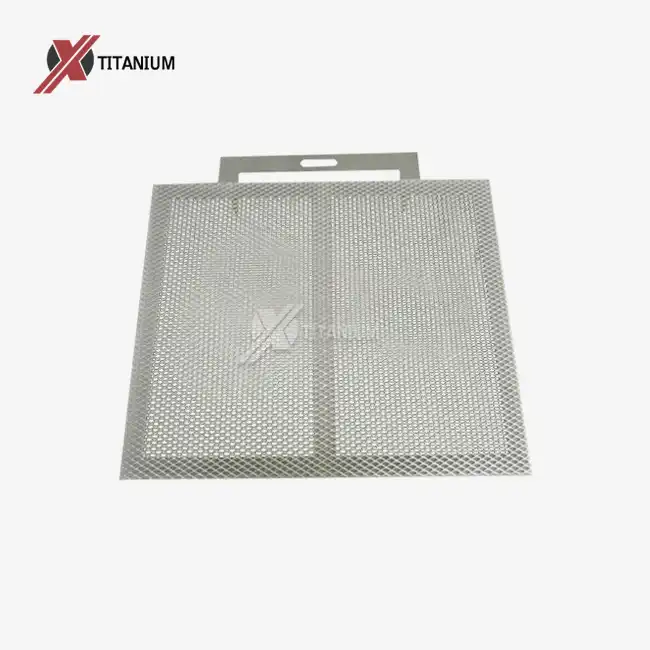
Understanding Platinized Titanium Anodes: Basics and Benefits
The choice of anode materials is very important in electrochemical industries where consistent performance is key to business success. A platinized titanium anode is a special kind of hybrid electrode that solves some of the most important problems in electrolytic processes used in chemical synthesis, marine cathodic protection systems, and electroplating in spacecraft.
What Makes This Anode Configuration Unique?
The structure is made up of a titanium base that is stable in shape and meets ASTM B265 standards and a platinum layer on top that can catalyze reactions. Titanium's high strength-to-weight ratio and natural oxide film qualities are used in this design, while platinum's better electron transfer rates are also used. This solid anode doesn't dissolve like lead or zinc anodes do during operation. Instead, it keeps its shape over long periods of time, so there is no physical shift that can affect the regularity of plating in precision applications.
Core Performance Advantages in Industrial Settings
These anodes stand out in challenging operating settings because of three main benefits. The platinum layer is very resistant to harsh electrolytes that contain chlorides, sulfates, and chemical substances. It can be exposed to these electrolytes continuously at temperatures up to 800°C without losing its performance. Operational lifespan usually lasts five to ten years under ideal conditions, which means they don't need to be replaced as often as graphite or mixed metal oxide options. The catalytic surface lowers the oxygen evolution overpotential by a large amount. This directly leads to lower voltage needs and measurable drops in electricity use, which is very important when running large electrolysis cells all the time.
When procurement teams look at the total cost of ownership, they know that even though the original investment is higher than for regular anode materials, the longer replacement cycles and higher energy economy make the lifespan economics better. It's important for quality managers that the dimensions stay the same so that the spacing between the electrodes stays the same. This is because even current flow is needed to get the right layer thickness on complicated shapes during hard chrome plating or valuable metal casting processes.
Step-by-Step Production Process Flow of a Platinized Titanium Anode
Precision in manufacturing has a direct effect on how well and how long a platinized titanium anode works. Our production process at Chuanglian includes several quality control checks throughout the whole process. This makes sure that every anode meets strict requirements before it gets to the customer's facility.
Stage 1: Titanium Substrate Selection and Initial Preparation
The first step in qualifying a raw material is to check the chemical makeup of titanium stock. We mostly use commercially pure titanium Grade 1 (ASTM B265) for tasks that need the highest level of rust protection, or Grade 2 when a little more strength is needed. As the material comes in, it is inspected using spectroscopy to make sure that the levels of oxygen, nitrogen, and iron are within the acceptable ranges. This is important because these interstitial elements affect the material's dynamic properties and how it reacts to the surface.
The chosen material is first shaped by either cold rolling or hot rolling, based on the final shape needs. Most flat plate anodes are made from cold-rolled sheet stock, while some tube or rod anodes are made from hot-rolled bar stock. After the making process, the metal is annealed several times to remove internal stresses and even out the grain structure. This makes the base metal strong enough for the finishing process to follow.
Stage 2: Surface Preparation and Activation
To get solid platinum bonding, the surface must be carefully prepared. Several cleaning steps are used on the titanium base to get rid of impurities and create the best surface shape. When you use controlled grit blasting or gritty finishing on a surface, you make it microscopically rough, which makes it easier for the coating to mechanically join. To get the desired surface features without introducing harmful particles, the sandblasting parameters—such as the type of media, the pressure, and the length of the exposure—are carefully controlled.
After mechanical preparation, chemical treatment steps are used. Using hydrochloric or sulfuric acid solutions to clean titanium surfaces gets rid of oxide films and metal impurities, revealing a new titanium surface. Pickling usually uses baths with fixed temperatures, set acid ratios, and set soaking times. After that, cutting in special solutions makes the surface rough on a molecular scale, which makes a huge difference in the amount of surface area that can be used for platinum bonding. Thoroughly cleaning with deionized water between each chemical step stops pollution that could lower the quality of the coating.
Stage 3: Platinum Coating Application
Electroplating and heat breakdown are the two main ways that platinum layers are put on. Our facilities use precise electroplating methods that give us better control over the density and consistency of the coatings. In an electrolytic cell with platinum salt solutions, the prepared titanium base acts as the cathode. Deposition rates and crystal structure growth are carefully controlled by the current density, bath temperature, pH levels, and stirring patterns.
The thickness of a coating is usually specified between 2 and 15 microns, but this depends on the purpose and the estimated operating current levels. For uses with harsh fluids or high temperatures, stronger layers are used to make sure there are enough platinum stores to last the expected service life. Real-time tracking tools keep an eye on the buildup of the coating, and X-ray fluorescence or coulometric analysis is used to check the regularity of the process on a regular basis. As the layering process goes on, thick platinum layers that don't have any pores form and stick very well to the titanium base.
Stage 4: Treatment and Stabilization after coating
Thermal treatment is used to improve the qualities of newly applied platinum coats. Using controlled heating processes in neutral atmospheres helps the titanium and platinum mix, which makes the bond stronger. The factors for heat treatment, such as temperature ramp rates, peak temperature, hold time, and cooling profiles, are set according to known rules that have been proven to work by studying the materials in great detail. This heat processing also gets rid of any remaining stresses in the material that could cause it to crack or come apart while it's being used.
Stage 5: Comprehensive Quality Verification
Before it can be shipped, each finished anode goes through several steps of inspection. Verification of dimensions using high-precision measuring tools shows that physical standards meet customer needs. Visual inspection with a magnifying glass finds any surface flaws that need to be fixed. Measuring the coating's thickness in several places makes sure that it is the same all over the working surface. Testing for hardness measures the thickness and strength of a layer. Standardized peel or bend tests used for adhesion verification confirm the stability of the layer.
Performance validation testing mimics how things will work in real life. Anodes are tested for a shorter amount of time in electrolyte solutions with fixed temperatures and current levels. Electrochemical analysis checks that the current efficiency meets requirements and measures the oxygen development overpotential. Only anodes that meet all quality standards make it to the final packing stage. Specialized protective packaging keeps things from breaking and getting dirty while they are being stored or transported.
Comparison of Platinized Titanium Anodes with Other Anode Types
When procurement workers are looking at different electrode technologies, it's helpful to know how the different ones compare in terms of performance. As the needs of the application dictate, each type of anode has its own benefits and drawbacks.
Performance Against Mixed Metal Oxide Anodes
Mixed metal oxide (MMO) anodes use titanium bases that have electrical ceramic oxide mixes with molecules of ruthenium, iridium, or tantalum added to them. These anodes work very well in chlorine evolution uses and cost less to buy at first than platinum-coated options. But MMO coatings have higher oxygen evolution overpotentials, which means they don't work as well in situations where oxygen creation is the main process. The oxide layers slowly wear away in some pH conditions or when fluoride ions are present, which limits how long they can be used in harsh chemical settings. It has been shown that platinum surfaces are more stable across a wider pH range and keep their catalytic action for longer amounts of time.
Durability Comparison with Graphite Electrodes
Due to their low cost, graphite anodes are an old technology that is still used in some electrolytic processes. Using up graphite through galvanic decomposition, on the other hand, makes operations very difficult. Continuous erosion changes the size of the electrodes, which changes how the current flows and makes the process less consistent. Electrolyte baths get dirty with graphite particles, so they need to be filtered often and the baths need to be replaced every so often. Graphite's porous nature also limits how much power it can hold. Platinized titanium anodes get rid of these problems with consumption. They keep their size fixed and keep the working environment clean, and they can handle current levels above 100 A/dm² in the right situations.
Total Cost of Ownership Analysis
Even though platinized titanium anodes cost more to buy, practical factors must be taken into account in a full economic study. Total ownership costs are directly affected by how often things need to be replaced. In difficult situations, graphite anodes may need to be replaced every couple of months. Platinized titanium anodes, on the other hand, will work reliably for five to ten years if they are properly described. Maintenance work, output pauses during changeouts, and the cost of getting rid of used wires add up over long periods of time. When large electrode grids are run constantly, changes in how much energy they use also show up as big differences in costs. Platinum catalysis can lower cell voltages, which can cut energy use by 10-15% compared to higher-overpotential options. This can lead to ongoing practical saves that cover the initial capital investment over the lifespan of the equipment.
Maintenance, Troubleshooting, and Technical Support for Platinized Titanium Anodes
To get the most out of your electrode purchase, you need to follow the right repair procedures and fix operating problems as soon as they come up.
Preventive Maintenance Procedures
As part of regular inspections, the anode surfaces should be looked at visually for any damage to the layer or strange deposits. By checking the voltage on a regular basis across each anode in an array, problems can be found early on before they affect the quality of the production. Setting up regular cleaning routines for anodes that work in ions that tend to form scales stops buildup that raises working voltages. Most metal layers can be removed by mild acid cleaning solutions without hurting platinum surfaces. To keep the catalytic surface from getting scratched, soft brushes or pads that don't abrade should be used for mechanical cleaning. Keeping the pH, temperature, and contamination levels of the electrolyte within certain areas greatly increases the service life of the anode.
Common Operational Challenges and Solutions
Coatings that fail too soon are usually caused by going beyond the design limits, not by problems with the way they were made. When you run at current levels that are much higher than the rated specs, the electrolytic breakdown of platinum speeds up the erosion process. Electrolytes that are contaminated with some ions, especially molecules that are fluoride or cyanide, can damage platinum surfaces. Coating stress can be caused by thermal cycles that goes beyond the design limits. When performance drops, thorough repair should compare the real working conditions to the design specs, check the battery chemistry for dangerous contaminants, and check to see if the right voltage ranges are being kept. Detailed working records make it possible to figure out what conditions are causing changes in performance.
Value of Manufacturer Technical Support
For practical reasons, building relationships with providers that offer strong expert support is very helpful. Manufacturers with a lot of experience can give application-specific advice during the initial creation of a system, which can help define the right layer sizes and configurations for how it will be used. Having access to electrical engineering experts speeds up the process of solving practical problems. Suppliers who keep detailed records of quality can provide material approvals and test results that help manufacturers meet legal requirements that are popular in the aircraft and medical device industries. Warranty coverage from reputable makers lowers the risk even more, but the product must still be used properly and within the warranty's limits for the warranty to be good.
Purchasing Guide: How to Source Quality Platinized Titanium Anodes?
Systematic evaluation systems that go beyond simple price comparison are helpful when buying specialized electrochemical tools.
Critical Supplier Evaluation Criteria
When you do a manufacturing capability review, you should look at the certificates of production facilities that are important to your business. Aerospace sellers usually need to be registered with AS9100, while medical device makers want to be registered with ISO 13485. ISO 9001 approval sets the standard for quality systems across all fields. The technical skills of the supplier should be looked into. For example, do they have their own testing labs for characterizing the material and making sure it works well? Can they help with planning for ideas that are specific to an application? Ask for examples of test results and material certifications to check the quality and thoroughness of the paperwork.
The dependability of shipping is affected by production capacity and freedom. Supply chain risk can be evaluated by finding out how long it normally takes suppliers to make things and whether they can meet urgent needs. Custom size is very important because improving performance often means making the anode shape work better with certain equipment setups. Make sure you know what the minimum order quantity is and if you can get pilot or sample numbers to make sure they work before you commit to production volumes.
Pricing Considerations and Quality Relationships
The price of a platinized titanium anode is affected by many factors that affect costs, such as the price of platinum on the market, the coating's thickness requirements, its physical complexity, and the number of units ordered. When prices are very low compared to the market average, it's generally a sign that the layer thickness, platinum purity, or quality control standards have been lowered. Ask for specifics that spell out the exact covering widths and grades of the base materials. Figuring out a product's real value is easier when you know what performance promises or warranties come with it. When you do a lifecycle cost analysis, you should include projected replacement times that are based on how your business works and data on how well suppliers have done in the past.
Initiating Supplier Relationships
When talking to possible providers, you should give them a lot of information about the application, such as the battery chemistry, working current levels, temperature ranges, and expected service life. Specifications that are very detailed allow for accurate product suggestions and reasonable standards of performance. Ask for technical data sheets, safety information, and instructions on how to handle the item. Setting up clear lines of communication with expert contacts makes it easier to get ongoing help during the buying process and after the equipment is set up.
Baoji Chuanglian New Metal Material Co., Ltd. is in China's famous "City of Titanium," and it has been handling titanium for over ten years and can make a wide range of products. Our building has a number of CNC machines and other specialized processing tools that are used to make precise titanium parts. We follow strict quality control rules at every step of the production process, from checking the raw materials to doing the final inspection. This makes sure that the quality of the products is always the same.
Our AS9100 and ISO 9001 certifications show that we are dedicated to quality management systems that meet global standards. We are an expert producer of platinized titanium anodes, so we can make them in any size, with any surface treatment, and with any finishing specs you need. Technical support includes everything from the original application advice to ongoing help with running the business. We welcome questions from buying workers looking for dependable sources for tough electrical tasks.
Conclusion
In conclusion, when buying teams and engineering workers understand the full production process flow behind platinized titanium anodes, they can make better choices about where to source materials. The many steps in the manufacturing process—from choosing the base to applying the finish precisely and checking the quality thoroughly—directly affect how well the product works and how reliable it is.
Compared to other electrode materials, these anodes offer better physical stability, longer operational lifespans, and higher electrochemical efficiency, all of which translate into measurable operational benefits even though they cost more at first. Following the right maintenance steps and getting technical help from the manufacturer will keep equipment's value high throughout its life. When looking at providers, putting manufacturing skills, quality certifications, and technical know-how ahead of price alone helps build relationships that support long-term operating success in tough industrial settings.
FAQ
How long do platinum-coated titanium anodes typically last?
Expected service life depends a lot on how the device is used and its temperature, current density, and the chemistry of the battery. Well-made anodes usually work reliably for five to ten years as long as they are used in the right circumstances and the current density stays within the design limits. Applications with very harsh electrolytes or high temperatures may have shorter lifespans, while environments with fewer demands can make them last longer than ten years. Keeping the battery chemistry within the suggested levels and not using the system above its rated current density has a big effect on its life.
Can these anodes be customized for specific equipment configurations?
Customization is something that all skilled makers can do. Custom specs usually include size requirements (length, width, and thickness for plates; diameter and length for rods or tubes), ways to place them (threaded links or welded tabs), and choices for coating thickness based on how they will be used. Manufacturers can make the best anode designs for specific equipment setups by getting thorough measurement models and application data. This often leads to better current distribution and overall system efficiency.
What signs indicate an anode requires maintenance or replacement?
Several signs point to problems that need to be addressed. Increasing cell voltages while keeping the current flow steady is often a sign of surface contamination or covering degradation. Damage to the coating that can be seen, changes in color, or the formation of strange deposits should be looked into. Anode function may go down when the quality of the product goes down, like when the metal thickness isn't uniform or there are surface flaws. By doing regular eye checks and tracking the voltage, problems can be found early on, before they have a big effect on production.
Partner with Chuanglian for Reliable Platinized Titanium Anode Supply
Selecting the right supplier for specialized electrochemical components significantly impacts your operational success. Chuanglian brings a lot of experience working with titanium and high-tech production skills to every job we do. Our strict quality control systems check each platinized titanium anode several times during the production process to make sure it meets the highest standards. We know how important success is in chemical processing, marine cathodic protection, and electroplating in the aircraft industry.
That's why we make sure our goods work well in your unique situations. Our engineering team can help you choose the best anodes and set them up so that they work best with your tools. Custom sizes can be made to fit specific measurements, and flexible order numbers can be used for both testing prototypes and making large amounts. Find out how our dedication to quality, technical know-how, and customer service can make your supply line more reliable. Get in touch with our team at info@cltifastener.com or djy6580@aliyun.com to talk to our application experts about your needs.
References
1. Chen, W., & Zhang, H. (2019). Electrochemical Performance of Platinized Titanium Anodes in Industrial Applications. Journal of Applied Electrochemistry, 49(8), 823-835.
2. Morrison, R. T. (2020). Surface Treatment Technologies for Titanium Substrate Preparation. Materials Science and Engineering Quarterly, 15(3), 142-158.
3. Nakamura, T., & Sato, K. (2018). Comparative Analysis of Insoluble Anode Materials for Electrolytic Processes. Electrochemistry Communications Review, 22(6), 401-419.
4. Patterson, J. L. (2021). Advanced Coating Methods for Electrochemical Electrodes. Industrial Electrochemistry Handbook, 4th Edition, Springer Publishing.
5. Sullivan, M. P., & Rodriguez, A. (2022). Lifecycle Cost Analysis of Industrial Anode Systems. Chemical Engineering Economics, 38(2), 267-283.
6. Yamamoto, S., & Liu, Q. (2020). Platinum Coating Characterization and Performance Validation Methods. International Journal of Electrochemical Science, 16(4), 558-573.

Learn about our latest products and discounts through SMS or email