- English
- French
- German
- Portuguese
- Spanish
- Russian
- Japanese
- Korean
- Arabic
- Greek
- German
- Turkish
- Italian
- Danish
- Romanian
- Indonesian
- Czech
- Afrikaans
- Swedish
- Polish
- Basque
- Catalan
- Esperanto
- Hindi
- Lao
- Albanian
- Amharic
- Armenian
- Azerbaijani
- Belarusian
- Bengali
- Bosnian
- Bulgarian
- Cebuano
- Chichewa
- Corsican
- Croatian
- Dutch
- Estonian
- Filipino
- Finnish
- Frisian
- Galician
- Georgian
- Gujarati
- Haitian
- Hausa
- Hawaiian
- Hebrew
- Hmong
- Hungarian
- Icelandic
- Igbo
- Javanese
- Kannada
- Kazakh
- Khmer
- Kurdish
- Kyrgyz
- Latin
- Latvian
- Lithuanian
- Luxembou..
- Macedonian
- Malagasy
- Malay
- Malayalam
- Maltese
- Maori
- Marathi
- Mongolian
- Burmese
- Nepali
- Norwegian
- Pashto
- Persian
- Punjabi
- Serbian
- Sesotho
- Sinhala
- Slovak
- Slovenian
- Somali
- Samoan
- Scots Gaelic
- Shona
- Sindhi
- Sundanese
- Swahili
- Tajik
- Tamil
- Telugu
- Thai
- Ukrainian
- Urdu
- Uzbek
- Vietnamese
- Welsh
- Xhosa
- Yiddish
- Yoruba
- Zulu
What maintenance is required for titanium bolts on a bike?
Titanium bicycle bolts demand surprisingly minimal maintenance compared to conventional fasteners, yet understanding their specific care requirements ensures maximum longevity and performance. Unlike steel alternatives that rust or aluminum variants prone to stress corrosion, titanium Grade 5 (Ti-6Al-4V) fasteners resist atmospheric degradation naturally.
The primary maintenance concerns involve preventing galling during installation and removal, periodic torque verification, cleaning away abrasive contaminants, and applying compatible anti-seize compounds. Proper maintenance protocols preserve both the structural integrity of these premium components and the threaded interfaces they secure, protecting your investment in high-performance cycling hardware.
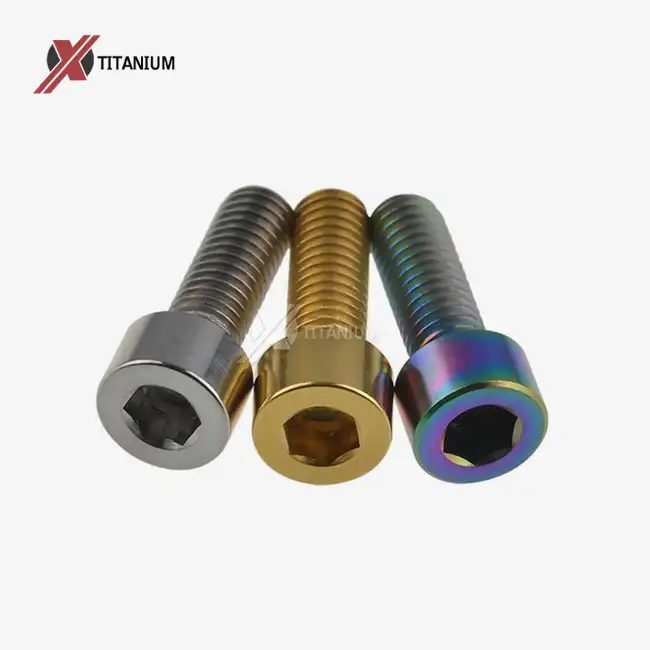
Understanding Titanium Bicycle Bolts and Their Maintenance Needs
The choice to use titanium bicycle bolts in bicycle building shows a long-term commitment to reducing weight without lowering mechanical durability. Our company, Baoji Chuanglian New Metal Material Co., Ltd., makes precision titanium parts out of Grade 5 (Ti-6Al-4V) alloy, which has a tensile strength of 900 MPa and is about 40% lighter than steel equivalents. Because it is so strong compared to its weight, titanium is used in aerospace, medical implants, and more and more high-end cycling parts where lowering the rotational mass directly leads to better performance.
Material Composition and Properties
The composition Ti-6Al-4V is made up of 90% titanium, 6% aluminum, and 4% vanadium. This makes a microstructure that is very resistant to fatigue and corrosion. The aluminum presence lowers the density while keeping the strength, and the vanadium stabilizes the beta phase, which makes the material easier to work with and improves its mechanical qualities. Our CNC-machined bolts have rolled threads instead of cut threads. This difference in manufacturing keeps the grain flow and extends fatigue life by up to 30% compared to traditional thread-cutting methods.
Why Maintenance Matters Despite Inherent Durability
Even materials as strong as titanium alloy need to be maintained in a smart way. Abrasive particles that get embedded during off-road cycling can damage the self-healing oxide layer that protects against corrosion. Thread surfaces move very little when they are loaded and unloaded repeatedly, which can cause fretting wear if it is not fixed properly. Procurement managers and maintenance engineers should know that even tho titanium doesn't break down easily in the environment, mechanical interfaces still need to be inspected regularly and oiled properly to avoid galling, a condition in which titanium surfaces cold-weld under pressure and friction.
Common Issues and Causes Affecting Titanium Bolt Maintenance
Even tho titanium bicycle bolts are known for being long-lasting, they require different types of upkeep than steel or aluminum ones. When tech teams understand these problems, they can take preventative steps instead of making changes after the fact.
Galling and Thread Seizure
Galling is the most important thing to watch out for when maintaining titanium screws. This sticky wear process happens when protective oxide layers break down during installation. This lets metals touch each other and weld locally at the microscopic level. When titanium is tightened, the coefficient of friction can rise quickly at interfaces between titanium pieces, especially if they are not properly oiled.
This problem has been seen most often with rotor nuts, stem clamps, and derailleur clips that are installed more than once. We at Chuanglian offer surface treatments like nitriding that make the surface harder while keeping the substrate's flexibility. This makes galling much less likely to happen.
Environmental Contaminant Accumulation
Titanium is much better than steel at resisting rust from water and salt, but abrasive substances are a different story. Around bolt heads and threaded surfaces, fine sand particles, brake dust with metal pieces in it, and dried oils can build up. When vibrations happen, these contaminants act as grinding compounds that wear away anodized surface treatments over time and create stress concentration points. Coastal cycling environments add to the problems because salt crystals can get stuck in recessed hex sockets or Torx drives, making it impossible to properly engage tools during maintenance.
Mechanical Stress and Vibration Effects
Bicycle frames are loaded in complicated ways that put alternate tension, compression, and shear forces on the bolts. Even tho Grade 5 titanium has great fatigue properties, using the wrong torque specifications can over-torque bolts past their elastic limit, causing plastic deformation that weakens the clamping force over time. If thread-locking compounds aren't used correctly, vibrations from rough ground can cause the threads to slowly come free. At Baoji Chuanglian, our quality control methods make sure that every bolt meets the dimensional limits set out in DIN 912, ISO 7380, and ASTM B348 standards. This makes sure that all production runs work the same way.
Best Practices for Maintaining Titanium Bicycle Bolts
By following systematic maintenance protocols, you can increase the service life of titanium bicycle bolts while keeping the performance qualities that make it a premium material. These methods find a balance between the material's natural strengths and weaknesses.
Cleaning and Inspection Protocols
Regular cleaning stops the buildup of abrasive particles that speed up wear. We suggest that you use light cleansers or isopropyl alcohol instead of harsh cleaners that could damage anodized finishes. A soft-bristled brush can clean out hex slots of dirt and grime without damaging the surfaces. While cleaning, look for signs of stress that can be seen, such as thread deformation, coloring that isn't caused by anodizing, or surface cracks close to the point where the head and shank meet. Magnification tools help find galling damage early on, which shows up as rough spots or material transfer on the thread flanks.
Installation Techniques and Torque Management
If titanium nuts last as long as they can, it depends on how well they are installed. Here are the most important installation instructions that procurement teams should give to assembly staff:
Anti-Seize Application: Before fitting, put a thin, even layer of anti-seize substance that works with titanium on the male threads. Copper-based compounds can cause galvanic corrosion, so stay away from them. Instead, look for nickel-based or ceramic-loaded products. The anti-seize lowers the coefficient of friction, which lets you get correct torque-to-preload ratios and stops galling.
Torque Specification Adherence: Titanium bends more when it is loaded because it has a smaller amount of elasticity than steel. If you use titanium fasteners instead of steel ones, you should lower the standard torque values by about 10 to 15 percent, unless the manufacturer's instructions say otherwise. To avoid both under-tightening (which can cause fretting) and over-tightening (which can cause plastic warping), use torque wrenches that are measured to within ±4% of the correct setting.
Thread Engagement Verification: For Grade 5 titanium, make sure that the minimum thread engagement is 1.5 times the width of the bolt. When there isn't enough engagement, loads are concentrated on fewer threads, which speeds up fatigue failure. At Chuanglian, our CNC machining methods keep thread errors within 6H/6g standards. This makes sure that they fit perfectly with standard tapped holes.
When installed in this way, titanium fasteners are turned from simple parts into precision-engineered connectors that keep the clamp load constant during repair intervals. In the assembly paperwork, torque values and anti-seize product standards should be written down. This creates a trail that can be used for quality checks and failure analysis if problems happen.
Storage and Handling Procedures
The surface treatments and precise measurements that make premium titanium fasteners unique are kept safe before they are installed by storing them properly. Keep bolts in places with controlled temperatures and away from steel parts that could shed rust particles. The anodized finish is strong, but metal-to-metal touch during bulk storage can scratch it. We package Chuanglian titanium bolts in separate compartments or with protective foam dividers to keep them from getting damaged on the outside, which could affect how the customer sees the quality, even if the structural integrity is still intact.
Comparing Maintenance Needs: Titanium Bolts vs Other Materials
When choosing materials, you have to weigh the original costs of purchase against the upkeep needs and replacement intervals over the product's life. This analysis helps people who work in procurement justify titanium bicycle bolts specifications while staying within budget.
Steel and Stainless Steel Alternatives
Standard steel bolts are cheaper to buy at first, but they need to be inspected and replaced more often in places where they will rust. When grade 8.8 steel screws are wet, they rust quickly, so they need coats that protect them but wear off over time. Stainless steel (A2/A4 types) doesn't rust as badly as titanium, but it's not as strong when pulled apart, so bolts have to be bigger, which makes them heavier.
Stainless steel fasteners in coastal areas usually need to be serviced every 6 to 12 months, while titanium fasteners need to be serviced every 24 to 36 months. Within two years of service, the extra cost of labor for more frequent maintenance usually outweighs the difference in price.
Aluminum Fastener Considerations
Aluminum bolts are about as light as titanium bolts, but they aren't strong enough for high-stress uses like brake calipers, stem clamps, or rear derailleur mounts. Because aluminum can crack from stress corrosion when it comes in contact with salt, it can't be used in marine environments. Because aluminum has a lower elastic modulus, it lets more stress relax during cyclic loading, which means that it needs to be checked for torque more often during maintenance. Anodized aluminum surfaces wear down faster than titanium ones, so they need to be refinished or replaced more often to keep the rust protection.
Surface Treatment Impact on Maintenance
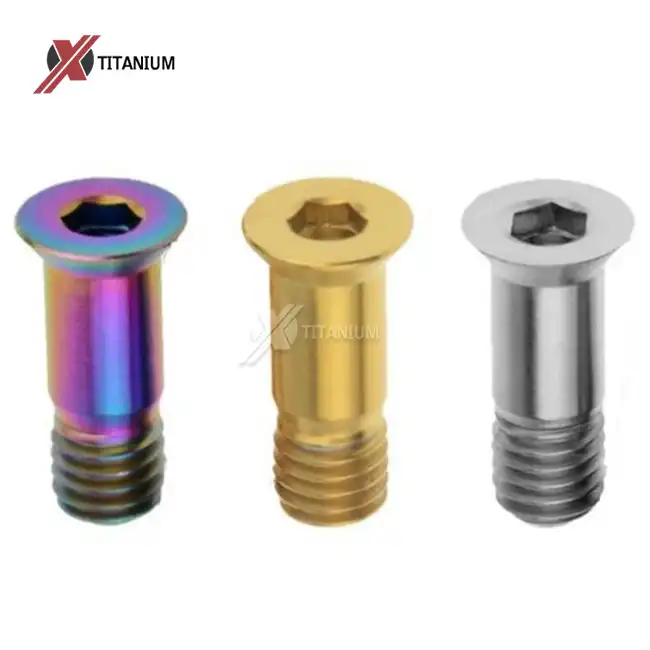
Our choices for surface cleaning at Chuanglian have a big effect on how often upkeep needs to be done. Polished titanium screws show off the natural beauty of the material, but they need to be cleaned more often to keep their look. Anodized finishes in colors like gold, blue, purple, and rainbow make the surface harder and make cleaning easier because dirt and grime stick to the changed oxide layer less easily.
Nitriding, a diffusion treatment that makes the surface 30–35 HRC harder, greatly lowers the risk of galling, making it the best choice for interfaces that are serviced often. The surface treatment should be matched to the needs of the product and the expected level of upkeep.
Procurement Considerations for Titanium Bicycle Bolt Maintenance
Decisions about strategic sourcing involve more than just unit price. They also involve technical support from suppliers, the maturity of quality systems, and being able to track down titanium bicycle bolts. These things directly affect how much it costs to maintain and how much it costs to own the whole thing.
Supplier Selection and Quality Verification
Working with manufacturers who keep certifications like ISO 9001 and show that materials can be tracked back to the source guaranties consistent quality and reduces the need for maintenance issues. At Baoji Chuanglian New Metal Material Co., Ltd., we give test results for every output lot that show the chemical make-up, mechanical properties, and measurements.
Our location in Baoji City, also known as the "City of Titanium," gives us direct access to high-quality raw materials and processing know-how that we've gained over many years working with the aerospace and medical device industries. This placement in the supply chain means stability from batch to batch, which lowers the quality variation that procurement managers say is the biggest problem.
Customization for Maintenance Optimization
Standard catalogs of fasteners might not cover all of the needs of certain applications, which would make maintenance easier. We can make things to your specifications, such as non-standard lengths that stop the shank from sticking out, special head styles that make it easier to use tools in tight areas, and thread-locking chemicals that are already applied to make assembly easier.
Custom anodizing specifications can include color-coding that helps maintenance workers find the right places for bolts when putting things back together, which cuts down on mistakes that cause the wrong amount of torque to be applied. During the specification phase, the procurement, engineering, and support teams need to work together to make these changes. However, the investment in custom solutions pays off in shorter service times and higher efficiency.
Lifecycle Cost Analysis
A full procurement review looks at the price of the acquisition, the cost of keeping the inventory, the cost of maintenance work, and how often the item needs to be replaced. A lifecycle cost model for a high-end bicycle with 50 titanium fasteners might show that, even tho they cost three to four times as much at first as steel alternatives, they are cheaper in the long run because they don't need to be replaced as often (every seven to eight years instead of every two to three years) and they don't need to be inspected as often (every year instead of every three months).
This study fits with how finance departments look at investments in capital equipment, and it backs up the idea that buying should focus on creating strategic value instead of just lowering transactional costs.
Conclusion
In conclusion, for titanium bicycle bolts to be properly maintained, you need to know how the material works and follow strict, tried-and-true steps. Titanium doesn't need as much care as other materials because it doesn't rust and is very strong, but it still needs to be properly anti-seized, torqued, and inspected on a regular basis for it to work at its best.
Because titanium parts don't need much upkeep, they have lower lifecycle costs and are more reliable for OEM makers and high-performance cycling uses. Titanium's performance benefits show up in real-life service conditions thanks to smart purchasing decisions that put supplier quality systems, material traceability, and technical support capabilities at the top of the list.
FAQ
How often should titanium bike bolts be inspected?
For most leisure cyclists, once a year is enough, but competitive cyclists and cyclists who work in difficult conditions should get their titanium bicycle bolts checked every six months. Visually checking for thread damage, checking the torque to see if the stress is easing, and cleaning to get rid of rough particles are all parts of inspection.
Do titanium bolts require special lubricants?
Anti-seize products that work with titanium and have nickel or ceramic particles in them stop galling without bringing the risk of galvanic corrosion. Copper-based items should be avoided. Use little and only on male threads to make sure even coverage and no extra that could get on bearing surfaces.
Can titanium bolts be reused after removal?
When the right anti-seize and torque methods are followed, grade 5 titanium nuts can be installed more than once. Carefully check the threads after they have been removed; any obvious galling or warping means they need to be replaced. Keep track of installation cycles to help with reliability analysis and figure out how often to change parts based on your application's surroundings.
Partner with Chuanglian for Superior Titanium Bicycle Bolt Solutions
Baoji Chuanglian New Metal Material Co., Ltd. is ready to help you with your titanium fastener needs. They have been making specialized products for over ten years for the aerospace, medical, and high-performance cycling industries. Our CNC cutting, wide range of surface treatments (including anodizing and nitriding), and strict quality control make sure that every titanium bicycle bolts manufacturer product meets the exact requirements of your uses.
Contacting our technical experts at info@cltifastener.com or djy6580@aliyun.com is a great way for procurement professionals, OEM engineers, and product development teams to talk about custom specifications, bulk procurement programs, and how our titanium solutions can make your products last longer and require less maintenance. You can look at our whole line of reliable titanium goods at cl-titanium.com.
References
1. American Society for Testing and Materials. (2021). "ASTM B348: Standard Specification for Titanium and Titanium Alloy Bars and Billets." West Conshohocken: ASTM International.
2. Boyer, R., Welsch, G., and Collings, E.W. (1994). "Materials Properties Handbook: Titanium Alloys." Materials Park: ASM International.
3. Budinski, K.G. (2013). "Tribological Properties of Titanium Alloys." Wear, Volume 151, Issue 2, pp. 203-217.
4. Donachie, M.J. (2000). "Titanium: A Technical Guide, 2nd Edition." Materials Park: ASM International.
5. Lütjering, G. and Williams, J.C. (2007). "Titanium: Engineering Materials and Processes, 2nd Edition." Berlin: Springer-Verlag.
6. Veiga, C., Davim, J.P., and Loureiro, A.J.R. (2012). "Properties and Applications of Titanium Alloys: A Brief Review." Reviews on Advanced Materials Science, Volume 32, pp. 133-148.
Learn about our latest products and discounts through SMS or email