- English
- French
- German
- Portuguese
- Spanish
- Russian
- Japanese
- Korean
- Arabic
- Greek
- German
- Turkish
- Italian
- Danish
- Romanian
- Indonesian
- Czech
- Afrikaans
- Swedish
- Polish
- Basque
- Catalan
- Esperanto
- Hindi
- Lao
- Albanian
- Amharic
- Armenian
- Azerbaijani
- Belarusian
- Bengali
- Bosnian
- Bulgarian
- Cebuano
- Chichewa
- Corsican
- Croatian
- Dutch
- Estonian
- Filipino
- Finnish
- Frisian
- Galician
- Georgian
- Gujarati
- Haitian
- Hausa
- Hawaiian
- Hebrew
- Hmong
- Hungarian
- Icelandic
- Igbo
- Javanese
- Kannada
- Kazakh
- Khmer
- Kurdish
- Kyrgyz
- Latin
- Latvian
- Lithuanian
- Luxembou..
- Macedonian
- Malagasy
- Malay
- Malayalam
- Maltese
- Maori
- Marathi
- Mongolian
- Burmese
- Nepali
- Norwegian
- Pashto
- Persian
- Punjabi
- Serbian
- Sesotho
- Sinhala
- Slovak
- Slovenian
- Somali
- Samoan
- Scots Gaelic
- Shona
- Sindhi
- Sundanese
- Swahili
- Tajik
- Tamil
- Telugu
- Thai
- Ukrainian
- Urdu
- Uzbek
- Vietnamese
- Welsh
- Xhosa
- Yiddish
- Yoruba
- Zulu
What specific bicycle components are commonly made from titanium?
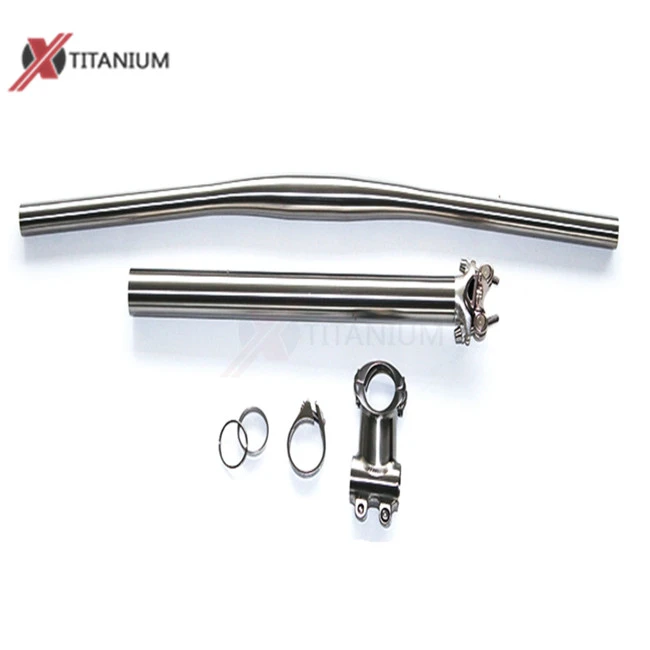
Cycling titanium bicycle parts have transformed modern bike engineering by offering unmatched durability and performance. Common titanium components include frames, forks, seatposts, handlebars, stems, bolts, spokes, and cranksets. These parts leverage titanium's exceptional strength-to-weight ratio and corrosion resistance, making them ideal for high-performance applications.
Titanium alloys, particularly Grade 9 (Ti-3Al-2.5V) for tubing and Grade 5 (Ti-6Al-4V) for machined elements, deliver structural integrity without the weight penalties of steel or the brittleness concerns of carbon fiber. This unique material profile has made titanium the preferred choice for manufacturers targeting endurance cycling, bikepacking, and premium custom builds.
Introduction to Titanium Bicycle Components
Titanium started to be used in bicycles in the 1970s. This was around the same time that technology from space began to affect everyday sports gear. Bikes made of steel and aluminum had been having issues like rust, fatigue cracking, and a rough ride for a long time. Early adopters saw that titanium could solve these issues. Tiny steps forwards in welding and metalworking over the next few decades made it possible for titanium to be used in bicycles on a budget.
Why Titanium Dominates High-Performance Cycling
Tin is used in bicycle parts because it has three main material benefits. Titanium weighs about the same as aluminum and steel. Its density is 4.51 g/cm³. Its tensile strength is between 600 and 900 MPa in Grade 9 alloys, though—about the same as high-end steel but half as heavy. So engineers can make parts that can handle a lot of force without adding extra weight, this balance between strength and weight is key.
It doesn't rust, which is another great thing about it. TiO₂ is a protective layer that titanium makes on its own when it comes in contact with oxygen. The metal is safe from damage from the air, the sea, and chemicals because of this layer. It's not necessary to paint or treat titanium like you do with steel. Its structure stays the same near the coast and in the winter, when road salt speeds up the rusting process.
Since the material doesn't have as much flexibility as steel (200 GPa vs. 100–110 GPa), noises are naturally lowered. This part helps the rider feel better on rough terrain and keeps them from getting tired on long rides. This property of damping makes titanium different from carbon fiber and other stronger materials that can send road shocks straight to the rider. This is important for people who work in B2B buying and are looking at part specs.
Strategic Importance for OEMs and Distributors
Ever more businesses that want to sell high-end goods are adding titanium parts to their items to make them stand out. Triathlon athletes, bikepacking fans, and people who want a custom design put titanium's long-term value first when making bikes. Titanium that has been properly welded has what engineers call a "infinite fatigue life" under normal load conditions. Aluminum breaks after many stress cycles. In everyday use, this means that the material won't break from rolling over and over again.
This trait of staying a long time fits with how people want more and more "buy-it-for-life" goods that last a long time. OEMs can promote titanium models as investments that will last for generations. This will appeal to buyers who care about the environment and want to cut down on the number of times they have to be replaced. Field failures are rare with titanium because it lasts a long time as long as manufacturing standards are followed. This is good for distributors because it means fewer insurance claims and returns.
Common Bicycle Components Made from Titanium
Titanium can be used for both building and finishing parts, and each type of part meets a different set of engineering needs. To help buying teams pick the best materials based on performance goals and price limits, they need to know which parts are best made of titanium.
Frames and Forks: The Foundation of Titanium Bicycles
Titanium is most often used in cycling for frames. While Grade 9 titanium is very bendy, it is very easy to shape into smooth tubes, which is what most companies use to make frame tubes. Builders can make complicated shapes out of this alloy because it can be welded together. The joints stay strong. The frames that were made are a unique mix of being stiff across the board to transfer power and being flexible across the board to make them comfortable. It's tough to find this balance with just metal or carbon fiber.
In some ways, forks are built like wheels, but the forces that turn them and the loads that stop them make their design harder. Titanium forks absorb road chatter better than carbon or aluminum forks, which makes the handlebars less likely to shake. Ti forks are better than carbon fiber forks when riding on gravel or for touring because they can handle hits better. Cycling titanium bicycle parts are especially valued here, as the same material properties that improve fork resilience also enhance overall durability and fatigue life under repeated stress. This means that rocks or holes hitting the road are less likely to cause it to fail completely.
High-end frame builders often use CNC-machined Grade 5 titanium for joints as important as dropouts, bottom bracket shells, and head tubes. This stronger metal can handle the high stresses that come from disk brakes and modern drivetrain torque, which can reach over 1200N when you pedal hard. The best way to make high-end titanium frames right now is to use Grade 9 tubes and Grade 5 finished parts.
Contact Points and Comfort Components
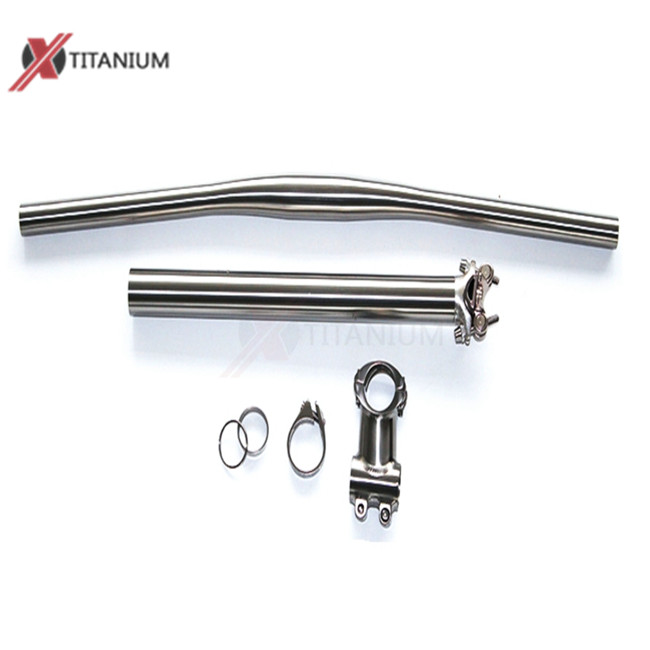
Seatposts made of titanium are getting more attention from custom builders and endurance riders. The material is flexible, so seat vibrations aren't sent thru the frame as much. This makes long rides more relaxing. Titanium seatposts usually have diameters between 27.2mm and 31.6mm. The rider's weight and riding style determine the wall thickness. Titanium can withstand a bigger range of binding forces without breaking. This is not the case with carbon seatposts, which need to be set to exact torque levels to stay strong.
Titanium doesn't wear down quickly, so it's good for things that get a lot of use, like handles and stems. Titanium is better than aluminum for mountain bike handlebars because they are hit by road objects many times. Aluminum can get tiny cracks over time. People who ride bikes on the road like titanium handlebars because they lower vibrations, which keeps hands from getting numb on long rides on rough streets. Stems made of Grade 5 titanium securely clamp the steerer tube without adding weight like steel parts do.
Fasteners, Spokes, and Precision Hardware
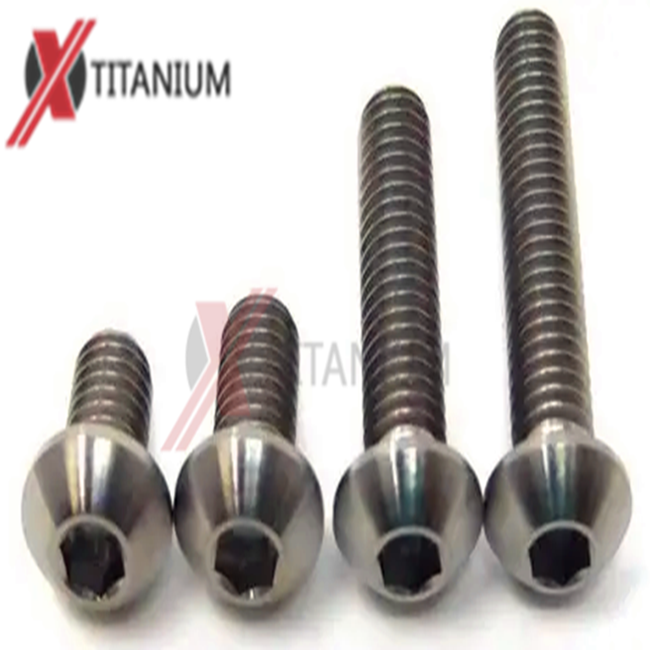
Steel gear has been replaced with titanium bolts in every step of the process of making a part, and high-performance bikes now come with them as standard. They don't add any extra weight, so they're great for connecting strong parts like brake caliper clamps, stem bolts, and bottle cage mounts.
But be careful when handling titanium that touches titanium so that galling doesn't happen. Galling is a problem that can happen during cold welding when mating threads seize up under torque. When professional installers put titanium screws in place, they use anti-seize solutions that are based on copper or nickel. After a while, this makes sure that parts can be taken apart without hurting the threads.
For certain tasks, titanium works better than other materials, like when it comes to making spokes. Steel spokes are stronger than titanium ones, but titanium ones are lighter. The material's flexibility makes the frame of the wheel more flexible. This makes it less likely that spokes will break when riding hard. Custom wheel builders are choosing titanium spokes more and more for bikepacking and touring because the wheels last longer and can be fixed to the road, which makes up for the higher cost.
Drivetrain Components: Cranksets and Chainrings
Titanium metal cranksets are lighter in the most visible part of a bike. It is 20–30% lighter than a steel crankset, but the titanium crankset still needs to be stiff to move power well. The fact that the material doesn't rust makes it useful near the coast or for winter exercise bikes that are exposed to road salt and water.
Those made of titanium last longer than those made of aluminum, which break down more quickly when the chain rubs against them. Because the surface of Grade 5 titanium is harder, teeth don't wear down as quickly, so change accuracy stays the same for thousands of miles. TiCN chainrings are chosen by racing teams and companies that make parts for pros because they last a long time and don't need much maintenance.
Before buying titanium engine parts, procurement teams should think about the trade-offs in terms of how well they work. Iron chainrings are much lighter and cost a lot less per unit than titanium ones. But they last longer. This offer is most clear when the total cost of ownership changes based on how often the bikes are changed, like when they are part of a rental group or when they are driven a lot every year.
Titanium vs. Other Materials: Performance, Durability, and Cost
How well a bike works, how hard it is to make, and where it stands in the market all depend on the materials that are used. When you compare titanium to aluminum, steel, and carbon fiber, there are clear pros and cons that you should think about before you buy.
Strength-to-Weight Performance Metrics
Titanium is the only metal that is both strong and light. Even tho aluminum is lighter than steel (about 2.7 g/cm³), it needs bigger tubes to be as stiff, so the weight savings aren't always worth it. Steel is strong, but it weighs a lot. For instance, a frame made of chromoly steel weighs about 1.5 to 2 times more than a frame made of titanium that is the same size.
Corrosion Resistance and Environmental Durability
Carbon fiber is the lightest material that can be used for building. Titanium frames of the same size weigh 20–30% more than carbon fiber frames of the same size. However, carbon is very weak and breaks easily when hit, but titanium doesn't. Carbon layups could secretly separate if the frame is made of titanium and the arms touch the ground. A titanium frame can handle small crashes.
Cycling titanium bicycle parts extend this durability beyond just the frame, ensuring that components like handlebars, seat posts, and stems also resist impact damage better than their carbon counterparts. It's important to have this impact protection for mountain riding, touring, and any other use where replacing the frame would cost more than the weight saved in the first place.
The oxide layer on titanium has the best corrosion resistance of any material that hasn't been treated on the outside. For steel to not rust, it needs to be painted, covered with a powder, or made of a stainless metal. This adds weight and cost to keep up. On the outside, aluminum rusts, but not as badly as steel. It happens when aluminum touches two different metals, which is called galvanic corrosion. This is a common way for aluminum to break where it meets steel. No chemicals can damage carbon fiber.
Only UV light and normal wear and tear can do that. In warm places, years of being in the sun can break down the plastic core. Clear coats that protect are helpful, but they need to be used again and again. If titanium parts are made right, they will last forever. This makes them great for rough settings like touring along the coast, driving in the winter, or working in places with chemicals.
Fatigue Life and Long-Term Value
Aluminum doesn't last very long, which is the main problem with using it for long periods of time. When you load and unload a metal part, it gets damaged and stressed, which can lead to cracks that start to form and spread. Fine metal frames should last between 5 and 10 years before they start to show signs of wear. It depends on how often they are used.
Aluminum doesn't wear down as quickly as steel does, but after years of use, stress can build up at weld joints and break them. How well carbon fiber was made and laid out has a lot to do with how it wears down. Parts that are built correctly will last forever under the loads that were intended for them, but they will fail badly if they are overloaded or broken.
Titanium doesn't wear out as quickly when it's loaded in ways that are important for riding. If titanium joints are welded correctly in an inert atmosphere, they will stay strong for an infinite number of load cycles. This can be seen by welds that are silver or straw-colored instead of blue. This never-ending fatigue life is a real plus for buyers who want years of service, which makes up for the higher price at first.
Cost Analysis for Procurement Planning
Because it is made from raw materials, titanium costs more than metal and steel. However, most of the time, aerospace-grade carbon fiber costs less than titanium. Nickel-chromoly steel tubing of the same size costs three to five times as much as Grade 9 titanium tubing. Cutting Grade 5 bar stock also costs four to six times as much. Things that are made from these different raw materials get worse when they are made.
To keep titanium from getting weaker thru oxidation, it can only be welded by trained professionals who use inert gas shielding. When you machine titanium, your tools break down more quickly, so it costs more to make than when you machine aluminum. Final titanium parts are two to four times more expensive than aluminum parts of the same size. However, when you add up all the costs of making them, they are usually about the same price as high-end carbon fiber parts.
The costs should be looked at over the whole life of the item, not just the price per unit. If you don't need to fix a titanium part for 20 years or more, it's a better deal than an aluminum part that needs to be replaced every 5 to 7 years. When you think about how much it costs to pay people to swap out parts and keep track of new parts, this is especially true.
Maintenance, Durability, and Procurement Insights for Titanium Bicycle Parts
If you want to get the most out of your titanium parts, you need to know how to keep them in good shape and how they will work over time. These tips help buyers set goals that are attainable and make care plans that keep the parts in good shape.
Maintenance Best Practices for Extended Service Life
Titanium parts don't need as much regular upkeep as things made of steel or aluminum. You don't have to worry about damaging the finish or painting over mistakes because the material doesn't need paint or protective coats. You can buff out scratches on titanium parts with fine abrasives or Scotch-Brite pads. This will bring back the finish that was brushed or bead-blasted in the first place, so you don't have to use any special repair methods.
It's easy to clean titanium parts. Just follow these steps. To get rid of road grime that doesn't damage the metal, use water and mild soap. Aggressive degreasers that are based on hydrofluoric acid can etch titanium, so don't use them. Titanium can be cleaned with normal bike cleaners as long as they are used the right way.
Making sure the threads stay in good shape is the most important part of taking care of titanium. Anti-seize powder must be used on titanium screws every time they are put in place to keep them from galling. Two threads are torqued together, which breaks down the titanium oxide layers on them and joins the metal surfaces. Anti-seize chemicals made from copper work well, but for surfaces made of titanium on titanium, some mechanics like recipes made from nickel better. The right way to use anti-seize during construction only takes seconds, but it could save hours of frustration and damage to parts during future maintenance.
Durability Data and Real-World Performance
Companies that make titanium parts have found that these parts last a very long time in many different situations. Titanium frame makers back up their lifetime guarantees with tests that show the frames have been thru more than 100,000 load cycles at forces above 1200N, which is about the same as riding usually for many years.
Cycling titanium bicycle parts consistently exceed these benchmarks, as the same alloy characteristics that give frames their fatigue resistance also apply to forks, stems, and axles under repeated stress. Most weld failures in titanium frames that were made properly are due to mistakes in the manufacturing process that were found during the first quality control check. They are not caused by normal wear and tear from use.
When put in place over and over, titanium bolts and screws keep their pressure specs better than aluminum hardware, which can lose its threads over time. The cost of repairs goes down for fleet owners who fix rental or demo bikes all the time. It also helps frame makers and custom shops that put bikes together and take them apart for fittings because the thread lasts a long time.
Being exposed to salt spray for thousands of hours doesn't change the way titanium is built, which backs up what coastal riders have seen in real life. After being put thru accelerated weathering tests, titanium samples only have light discoloration that is easy to remove with light abrasion. This is not the same as steel parts that rust on the outside or aluminum parts that rust in pits.
Procurement Criteria and Supplier Selection
You need to look at more than just how well they can make things when you're looking for reliable titanium component providers. Companies that sell titanium parts need to know how to use certain tools and have specific skills that aren't common in the bicycle business.
The welds are the most important part of making titanium parts that will last. They should show how to use TIG methods made just for titanium to weld in argon atmospheres that aren't reactive. Checking the weld visually lets you know right away how good it is. If you properly weld titanium, the surface should be silver or light straw colored. If the surface is blue, purple, or white powdery, oxygen is getting into the weld and weakening it. People who are buying something should look at examples of welds and cross-sections that show the right heat-affected zone and penetration properties.
Material certifications look at what an alloy is made of and how strong it is. Metal sheets made of titanium that meet the standards set by ASTM B338 for seamless tube or ASTM B348 for bar stock can be tracked by mill certificates from trustworthy sources. These certificates show that the parts meet the requirements for chemical make-up, tensile strength, and elongation. OEMs and wholesalers who are worried about risk shouldn't work with providers who can't show proof that their materials can be tracked.
It depends on how well a seller can make parts if they want to meet the high standards for new bicycle parts. It is the job of CNC machines with titanium-specific programs and tools to make sure that links like brake mount points, bottom bracket pins, and headset bearing seats are the right size. When tolerances meet ISO H7 standards, common problems like bearing creak and imbalance are stopped, which prevents guaranty claims.
Titanium's natural benefits are kept, and different surface finishing choices give designers more ways to use the metal. You can also use anodizing to make strong colored surfaces that look like the rainbow in blue, green, purple, and gold. These treatments look good on custom makers and small brands that want to stand out. Nitriding the surface of things makes them harder to wear in places like disk brake mounts and derailleur hangers without making the parts much heavier.
Customization Options and Emerging Applications
It is possible to make titanium parts that are unique in ways that made carbon fiber parts can't be. When you use CNC to make something, you can make complicated shapes that are perfect for certain tasks, like dropout spacing that can be changed, rack bolts that are built in, or custom derailleur hangers. This means that frame makers who work with specific groups of people can charge more for frames with unique shapes.
Another name for 3D printing is additive manufacturing. It is a new way to make titanium bike parts. Grade 5 titanium powder is used in metal powder bed fusion to build complicated structures. With these methods, you can incorporate organic forms and features that aren't possible with regular cutting. Some of the present uses are making custom stems, putting together handlebar-stem pairs that work together, and making prototypes. Right now, additive manufacturing costs more than traditional fabrication for simple parts. However, the technology works great for making small quantities of custom parts, where setup costs are higher than production costs.
Conclusion
Titanium is better for bicycle parts that need to last a long time, not rust, and keep their worth. The best pieces for frames, forks, contact points, and precise tools are made from this material because it is strong, light, and doesn't wear down easily. Cycling titanium bicycle parts represent this advantage perfectly, as their combination of corrosion resistance, fatigue strength, and long-term reliability makes them the preferred choice for premium builds.
Titanium costs more up front than aluminum alternatives, but it is more cost-effective over its lifetime for business uses, fleet operations, and products aimed at customers who care about quality. When people buy something, they should compare how important success is to how much money they have. Also, they should remember that titanium is worth more in difficult conditions and over a long length of time. If you want to be successful in the competitive bicycle business, you need to know who your target market is and where to put your name.
FAQ
Are Titanium Bicycle Components More Cost-Effective Than Carbon Fiber?
Most of the time, high-end carbon fiber parts cost more than high-end titanium parts. Carbon fiber prices vary significantly based on modulus and layup complexity, with aerospace-grade fibers exceeding titanium in raw material cost. Manufacturing complexity influences total costs—carbon fiber requires expensive molds and skilled layup technicians, while titanium depends on CNC machining and specialized welding.
Lifecycle analysis favors titanium for durability-focused applications, as the material resists impact damage and requires no protective coating maintenance. Carbon fiber offers weight advantages critical for racing applications, making material selection dependent on performance priorities rather than cost alone.
What Maintenance Do Titanium Parts Require?
Titanium bicycle parts only need to be cleaned with water and soap every so often. To keep things in good shape, anti-seize powder must be put on all titanium threaded joints as they are being put together to keep them from galling. Titanium is the same as steel or carbon fiber and doesn't need any special care. Steel needs to be kept from rusting, and carbon fiber needs to be handled carefully when it's under pressure.
With Scotch-Brite abrasive pads, you can get rid of surface scratches and bring the shine back to how it was before, so you don't have to pay someone to repair it. This low upkeep shape lowers the costs of ownership over time, and the parts will still look good and work well after decades of use.
Partner with Chuanglian for Premium Titanium Bicycle Components
Here at Chuanglian, our engineering team makes exact titanium bike parts for OEMs, wholesalers, and custom builders who need reliable cycling titanium bicycle parts suppliers. Beginning with checking the raw materials, we have strict quality control. The finished parts are then tested to make sure they all meet foreign standards, like ASTM B338 and ASTM B348 certifications.
In our building in Baoji, which is known all over the world as the "City of Titanium," there are CNC machines that are set up to work with titanium. We can choose from different alloys (Grade 5 (Ti-6Al-4V) and Grade 9 (Ti-3Al-2.5V)), polish, anodize, nitride, and color finishes (natural, gold, blue, green, purple, black, and rainbow), and make a lot of changes. We promise that we will always deliver on time and have more than ten years of experience making titanium goods. This gives our B2B clients the technical help and quality consistency they need.
Contact our team at info@cltifastener.com or djy6580@aliyun.com to discuss your component specifications and receive detailed quotations for your next project. Visit cl-titanium.com to explore our full product range.
References
1. Davis, J.R. (2006). Metals Handbook: Properties and Selection of Titanium Alloys. ASM International Materials Park.
2. Ashby, M.F. & Jones, D.R.H. (2012). Engineering Materials: An Introduction to Properties, Applications and Design. Butterworth-Heinemann Publishing.
3. Schutz, R.W. & Watkins, H.B. (1998). "Recent Developments in Titanium Alloy Application in the Energy Industry." Materials Science and Engineering Journal, Volume 243, pp. 305-315.
4. Boyer, R., Welsch, G., & Collings, E.W. (1994). Materials Properties Handbook: Titanium Alloys. ASM International Technical Publishing.
5. Lutjering, G. & Williams, J.C. (2007). Titanium: Engineering Materials and Processes. Springer-Verlag Berlin Heidelberg.
6. Donachie, M.J. (2000). Titanium: A Technical Guide, Second Edition. ASM International Metals Park Publishing.
Learn about our latest products and discounts through SMS or email