- English
- French
- German
- Portuguese
- Spanish
- Russian
- Japanese
- Korean
- Arabic
- Greek
- German
- Turkish
- Italian
- Danish
- Romanian
- Indonesian
- Czech
- Afrikaans
- Swedish
- Polish
- Basque
- Catalan
- Esperanto
- Hindi
- Lao
- Albanian
- Amharic
- Armenian
- Azerbaijani
- Belarusian
- Bengali
- Bosnian
- Bulgarian
- Cebuano
- Chichewa
- Corsican
- Croatian
- Dutch
- Estonian
- Filipino
- Finnish
- Frisian
- Galician
- Georgian
- Gujarati
- Haitian
- Hausa
- Hawaiian
- Hebrew
- Hmong
- Hungarian
- Icelandic
- Igbo
- Javanese
- Kannada
- Kazakh
- Khmer
- Kurdish
- Kyrgyz
- Latin
- Latvian
- Lithuanian
- Luxembou..
- Macedonian
- Malagasy
- Malay
- Malayalam
- Maltese
- Maori
- Marathi
- Mongolian
- Burmese
- Nepali
- Norwegian
- Pashto
- Persian
- Punjabi
- Serbian
- Sesotho
- Sinhala
- Slovak
- Slovenian
- Somali
- Samoan
- Scots Gaelic
- Shona
- Sindhi
- Sundanese
- Swahili
- Tajik
- Tamil
- Telugu
- Thai
- Ukrainian
- Urdu
- Uzbek
- Vietnamese
- Welsh
- Xhosa
- Yiddish
- Yoruba
- Zulu
What Questions Should You Ask a Titanium Supplier Before Buying?
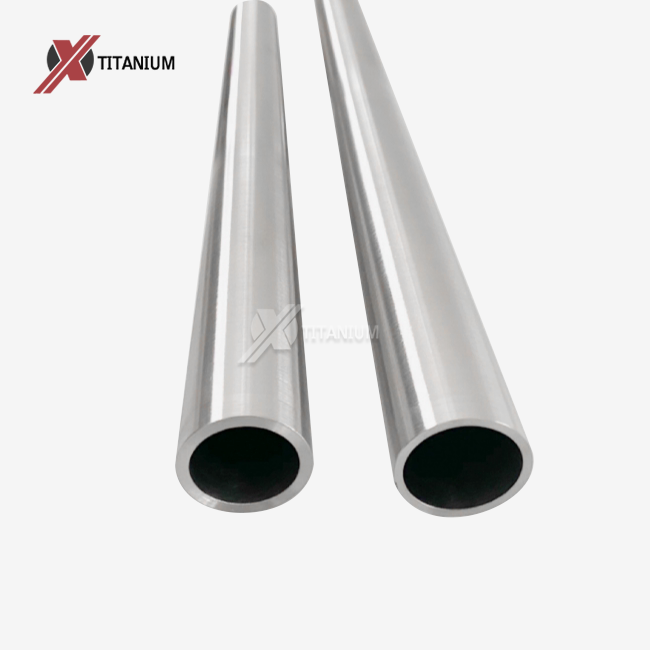
To find the best titanium source, you need to do more than just get the metal. You also need to build a relationship with them that will help your project work from the first sample to years of production. If you're looking for titanium alloy pipe or parts for chemical heat exchangers, offshore risers, or aircraft hydraulic systems, the provider should know your business problems and have the technical knowledge to solve them. You can find out if they do by asking them specific questions. Teams that buy things have been able to avoid months of stress and big costs by asking the right questions at the beginning. Even more than knowing about the material itself, it's important to know about the skills, quality systems, and support systems of the provider. This is especially true in areas where a single flaw in the material can cause a big problem.
Understanding Your Requirements: What Are Your Specific Needs?
Can You Clarify Your Application Environment and Performance Demands?
The first step in picking the right materials for your project is to figure out how it will be used. When used in aircraft for hydraulic lines and fuel systems, titanium alloy pipe needs to be very strong for their weight and not easily worn down. When working with chemicals, it's important to be able to fight chloride attacks and keep your temperature stable over time. A good service will ask you a lot of questions about your working temperatures, pressure ratings, exposure to corrosive media, and mechanical stress patterns before they give you a grade.
Which Titanium Grade Best Matches Your Technical Requirements?
People use different kinds of metal to solve different kinds of technology issues. The strongest and least likely to creep aircraft structure parts are made of Grade 5 (Ti-6Al-4V). Grade 9 (Ti-3Al-2.5V), on the other hand, can be cold bent better for airplane hydraulic lines that are more complicated. Manufacturers of medical devices usually pick Grade 23, which is the extra-low interstitial type of Ti-6Al-4V, to make sure that implants are safe and properly fuse with bone. We make pipes out of different types of metal at Baoji Chuanglian, like Ti-6Al-4V, Ti-5Al-2.5Sn, and Ti-6Al-2Sn-4Zr-6Mo. There is a range of situations where each grade is meant to work. So that you can be sure of the grade, providers should give you full mill test reports that show the chemistry make-up, mechanical properties, and microstructure analysis.
What Are Your Order Quantity and Delivery Timeline Expectations?
Titanium is bought and sold in a very different way than other metals because it has to be treated in a certain way. A lot of our customers buy things because they need them for projects. The amounts they need range from small batches made just for them to large production runs. If you know the minimum order number, you can make sure that your sellers can meet your buying needs. Some makers, like Chuanglian, can't make small custom orders because they're too expensive, while others keep their production plans flexible to allow for the development of prototypes and pilot production. Lead times depend on whether you need standard sizes or custom measurements that need special tools, checks, and heating processes.
Evaluating Supplier Capabilities: How Do They Ensure Quality and Reliability?
What Certifications and Standards Does the Supplier Maintain?
Setting quality standards for a seller shows that they are committed to managing processes in a planned way and always making them better. You should look at more than just ISO 9001 registration. For example, AS9100 is for aircraft uses, ISO 13485 is for medical equipment, and ASME Section VIII is for pressure vessel components. For these rights to work, there must be accurate records, ways to keep track of things, and regular checks by a third party to make sure the processes are always the same. It follows strict quality control rules that are in line with international standards such as ISO 5832-2, ASTM B338, and ASTM B861. This makes sure that our titanium alloy pipe goods meet the strict requirements of companies that have to follow rules.
How Do You Verify Material Performance and Composition?
When they make something, reliable companies do a number of checks. Spectroscopic analysis should be included in the material test results to make sure the chemical make-up is within the allowed ranges. Mechanical testing should show the tensile strength and yield qualities, and regular exposure tests should show that the material doesn't rust. Before we ship our pipes, we bend them, test their strength, and put water pressure on them to make sure they are strong. Some of the most modern providers have their own testing labs that use tech that is the same across the country. Inspection firms like SGS or Bureau Veritas can be used for more thorough checks, though.
Can You Accommodate Custom Specifications and Processing Requirements?
Skilled sellers are different from wholesalers because they can make things in a variety of ways. For use in drugs, the surface may need to be bright annealed. For welding prep, it may need to be pickled. For consumer electronics, it may need to be polished for looks. Different ways of processing, such as hot rolling, cold rolling, heating, and freezing, change the end quality and size limits. We can meet your needs for custom lengths, non-standard sizes, and difficult manufacturing at Chuanglian because we have CNC machining centers and other specialized processing tools. Suppliers should show that they understand how various processing methods impact the microstructure, leftover stress, and performance features that are important for your application.
Comparing Titanium Alloy Pipes: How Does Their Offer Stand Against Alternatives?
What Performance Advantages Justify Titanium's Premium Cost?
Even though it costs more at first, titanium often has better long-term value because of the way it is made. When it comes to how well they work in acidic conditions, titanium alloy pipe is very different from stainless steel pipes. For example, 316L steel may be 60% less expensive at first, but it doesn't work well in seawater that is high in salt, while titanium lasts for decades without any repairs. It's very important for aircraft and naval uses that the material is strong for its weight. Every kilogram saved means better fuel economy or more cargo space. Heat exchanges in chemical plants that work with acidic media at high temperatures should use titanium lines because they don't weigh much and stay stable at high temperatures.
Because these things are true about the material, titanium pipes are a good choice for tough jobs:
- Corrosion immunity in aggressive environments: Titanium makes a stable, self-healing oxide layer that guards itself from chlorides, sulfides, and organic acids that eat away at stainless steels and nickel alloys fast. This makes titanium resistant to corrosion in harsh conditions.
- Weight reduction without strength compromise: Titanium pipes are strong but not heavy. They have the same tensile strength as steel but weigh about 60% less. This lets designers who care about weight optimize the structure.
- Exceptional fatigue resistance: Extreme wear resistance means that the material keeps its shape even after millions of stress cycles. This is important for hydraulics in places like spaceships and the ocean that are often shaking.
- Thermal expansion compatibility: When the thermal expansion rate is low, the joints between heat exchanger tubes and sheets are not stretched as much as when steel is used.
Other materials can't answer these basic engineering problems because of how well they work. This makes systems that need a lot of maintenance into solutions that work well and last a long time.
How Is This Supplier Differentiate from Competitors?
It can help you find people who can help you reach your long-term goals to look at the specific skills of a seller. Technical depth is clear when providers can talk about metal problems, suggest the best ways to heat treat your materials, or suggest changes to the design that make it easier to make without changing how well it works. A company's image is very important when it comes to titanium. For instance, Chuanglian, which is based in Baoji City (in China, also called "Titanium City"), benefits from having expert staff with a lot of experience, understanding of the area, and specialized supply lines. Customer reviews from businesses in the same field can help you figure out how dependable, quick to respond, and good at solving problems you are when things go wrong at work.
What Pricing Structure and Payment Terms Are Available?
Deals go more easily when prices are clear and business terms are open. This is especially true for foreign procurement teams that have to deal with complicated approval processes. Check to see if the prices given include tests, paperwork for getting a license, and shipping boxes that can be used in other countries. How you're paid should be in line with how things work in your business. One example is that many people who sell titanium need deposits for special orders because it costs a lot to get the metal and set up the processes. Talk to the seller about how long-term production plans can save you a lot of money. Also, find out if they have sale stocking programs that can help you keep materials on hand in case production goes up at a busy time.
Understanding After-Sales Support and Service: What Support Can You Expect?
What Warranty Coverage and Return Policies Protect Your Investment?
There are choices if the materials don't meet your needs, and the full guarantee terms show that the seller is sure of the quality of the item. Make it clear what problems are covered, how to make a claim, and how long the promise lasts. Return policies should cover both flaws in the way the product was made that are found during the receiving check and problems with how it works that are found during building or installation. Suppliers who have a good name stand behind the goods they sell. We have strong quality control at Chuanglian, from picking the raw materials to the final check. If there are any quality problems, we work with our clients to fix them quickly.
How Does the Supplier Provide Technical Application Support?
Along with tools, technical advice is also very helpful. Space engineers might need help figuring out how to weld titanium alloy pipe hydraulic lines, and chemical plant designers might need help figuring out how much heat exchanger tube bundles will grow. You can get help from suppliers who know a lot about the right filler metals, heat treatment after the weld, and NDT testing methods for your job. By sharing the processing ideas we've picked up over years of making titanium goods, we've helped clients solve tough production issues. When they first started making things, they had to do a lot of expensive trial-and-error, which saved them a lot of money.
Procurement and Transaction Logistics: How Will the Purchase Process Work?
How Are Products Packaged and Shipped to Prevent Damage?
Putting your investment in the right box will keep it safe while it's being sent across the world. titanium alloy pipelines need to be kept away from contamination, damage, and water that could make them less good. Standards in the industry say that longer parts should be packed in wooden boxes or steel frames with protective end caps and padded bundles. They should tell you how they package their goods and if they can handle them in a special way for sensitive uses. When supplies come, you can plan ahead if you know about shipping methods, average travel times, and insurance coverage. This way, they won't get in the way of your project schedule.
What Minimum Order Quantities and Batch Flexibility Exist?
A minimum order size is set by the cost of production, but flexible suppliers can work with different buying habits. Most of the time, fewer are needed for concept development and test production than for full-scale production. How open a seller is with batch amounts helps you buy things that will work for your project as it grows.
Some sellers keep standard sizes and grades in stock, which speeds up shipping for standard needs. Custom orders, on the other hand, take longer to fill because the materials need to be found, handled, and the quality checked. We work with clients from the beginning of a project all the way through to its completion. This includes making the first models and providing ongoing production. Our plan for making things can be changed to meet your needs.
What Contract Terms and Payment Methods Ensure Transaction Security?
Business contracts that are well made keep everyone safe and clear on what to expect. Read the parts of the contract that explain the standards for product conformity, the factors for acceptance, the limits of duty, and the ways to settle disagreements. Both the buyer and the seller should feel safe with the payment ways. Most of the time, you pay a deposit when you approve the order and the rest when the goods are shipped or after quality control.
People who do business across borders often use letters of credit or trust services to keep their money safe while things are being shipped. It's easier to build trust and stay together for a long time when the rules of a contract are clear and cover things like protecting intellectual property, keeping privacy, and letting people in. It's important to be clear about the limits for sizes, the standards for surface finish, and the testing papers so that there are no mistakes during quality acceptance.
Conclusion
If you ask a lot of specific questions, picking a titanium supplier can go from being an easy buy to a choice about building a long-term relationship. This part of the buying process goes most easily when your practical needs are met by technical standards, quality systems, financial terms, and support skills. Providers who give detailed, scientific answers to questions show that they know what they're talking about and are committed to supporting important uses in fields like flight, chemical processing, marine engineering, and medical devices. Take the time to learn about a supplier's production methods, quality control systems, and technical support infrastructure. This will help you lower the risks of a project and give your business a steady supply of titanium alloy pipe and helpful relationship support.
FAQ
What is the difference between commercially pure titanium and titanium alloy pipe?
Pure titanium used for business (CP) doesn't have many alloying elements. It's strong enough for chemical production equipment and doesn't rust easily. Aluminum and vanadium are added to titanium alloy pipe to make them stronger in tension, less likely to creep, and better at working at high temperatures. Because of this, they are needed for high-stress situations and aircraft structure parts where CP titanium isn't strong enough.
How do I verify that titanium pipe material meets specification requirements?
Ask for approved mill test results that show the chemical make-up through spectroscopic analysis, the mechanical qualities, like the tensile and yield strengths, and heat treatment records. Inspections by outside groups, such as SGS, provide independent proof. Try the structure out in real life with hardness tests, bend tests, and hydraulic pressure tests before the production process starts to make sure it is strong.
What lead time should I expect for custom titanium pipe orders?
It takes about 4 to 6 weeks from the time an order is approved until it is shipped for standard specs in common grades and sizes. These orders may take 8 to 12 weeks, depending on how hard it is to get the materials and how difficult the processing is. They may have non-standard sizes, special heat treatments, or unique surface finishes. If you talk to your provider about project timelines, you can get the most out of your output plan.
Partner with Chuanglian for Your Titanium Alloy Pipe Requirements
You can get all the titanium material you need from Baoji Chuanglian New Metal Material Co., Ltd. because it has many ways to make it, strict quality control systems, and quick expert help. Because we are in Baoji City, we have access to specialized titanium supply lines and a lot of local knowledge that we've gained by being on the cutting edge of new ways to process titanium for many years. You can get pipes from our titanium alloy pipe manufacturer in any size you need and in different grades, such as Ti-6Al-4V, Ti-5Al-2.5Sn, and Ti-6Al-2Sn-4Zr-6Mo.
These grades are used in hydraulic systems for spaceships, oil and gas research equipment, and chemical processing infrastructure. We pay close attention to international standards like ISO 5832-2, ASTM B338, and ASTM B861. This is backed up by our testing methods and approved papers. To talk about your project needs, get full specs, or set up material samples that show how committed we are to quality, email our expert team at info@cltifastener.com or djy6580@aliyun.com.
References
1. American Society for Testing and Materials. (2021). Standard Specification for Seamless and Welded Titanium and Titanium Alloy Pipes for Condensers and Heat Exchangers. ASTM International.
2. Boyer, R., Welsch, G., & Collings, E.W. (2020). Materials Properties Handbook: Titanium Alloys. ASM International.
3. Donachie, M.J. (2019). Titanium: A Technical Guide, 2nd Edition. ASM International.
4. International Organization for Standardization. (2022). Implants for Surgery — Metallic Materials — Part 2: Unalloyed Titanium. ISO 5832-2.
5. Lutjering, G., & Williams, J.C. (2018). Engineering Materials and Processes: Titanium, 2nd Edition. Springer-Verlag.
6. Peters, M., Kumpfert, J., Ward, C.H., & Leyens, C. (2021). Titanium and Titanium Alloys: Fundamentals and Applications. Wiley-VCH.
Learn about our latest products and discounts through SMS or email