- English
- French
- German
- Portuguese
- Spanish
- Russian
- Japanese
- Korean
- Arabic
- Greek
- German
- Turkish
- Italian
- Danish
- Romanian
- Indonesian
- Czech
- Afrikaans
- Swedish
- Polish
- Basque
- Catalan
- Esperanto
- Hindi
- Lao
- Albanian
- Amharic
- Armenian
- Azerbaijani
- Belarusian
- Bengali
- Bosnian
- Bulgarian
- Cebuano
- Chichewa
- Corsican
- Croatian
- Dutch
- Estonian
- Filipino
- Finnish
- Frisian
- Galician
- Georgian
- Gujarati
- Haitian
- Hausa
- Hawaiian
- Hebrew
- Hmong
- Hungarian
- Icelandic
- Igbo
- Javanese
- Kannada
- Kazakh
- Khmer
- Kurdish
- Kyrgyz
- Latin
- Latvian
- Lithuanian
- Luxembou..
- Macedonian
- Malagasy
- Malay
- Malayalam
- Maltese
- Maori
- Marathi
- Mongolian
- Burmese
- Nepali
- Norwegian
- Pashto
- Persian
- Punjabi
- Serbian
- Sesotho
- Sinhala
- Slovak
- Slovenian
- Somali
- Samoan
- Scots Gaelic
- Shona
- Sindhi
- Sundanese
- Swahili
- Tajik
- Tamil
- Telugu
- Thai
- Ukrainian
- Urdu
- Uzbek
- Vietnamese
- Welsh
- Xhosa
- Yiddish
- Yoruba
- Zulu
Where can I buy titanium anode mesh for industrial use?
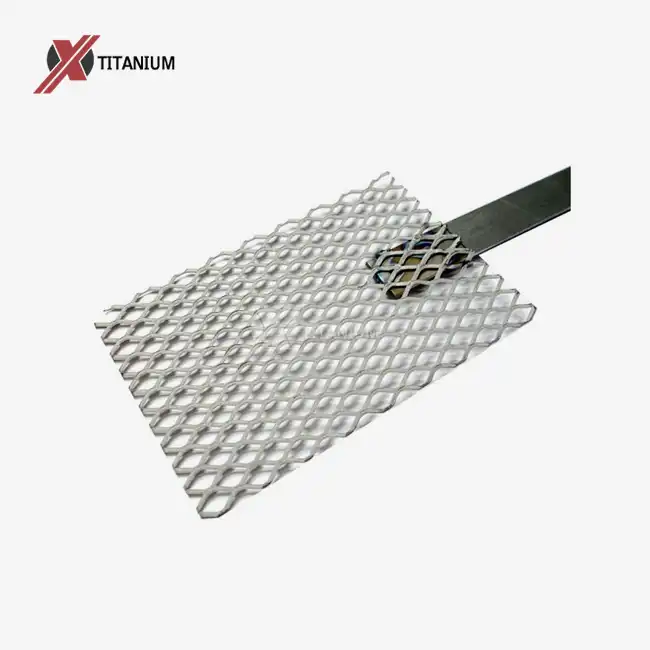
To find a trustworthy source for titanium anode mesh, you should first know what your unique electrochemical needs are and then look for makers who have a history of being technically skilled. Industrial buyers usually get these specialized parts from qualified makers who can show that they follow international standards like ASTM B265 and have quality management systems that can be checked. For large-scale purchasing needs, working directly with makers like Baoji Chuanglian New Metal Material Co., Ltd., which is based in China's "City of Titanium," is often the best way to get the best mix of expert support, customization options, and low prices.
Understanding Titanium Anode Mesh: What, How, and Why It Matters
The Technical Foundation of Dimensionally Stable Anodes
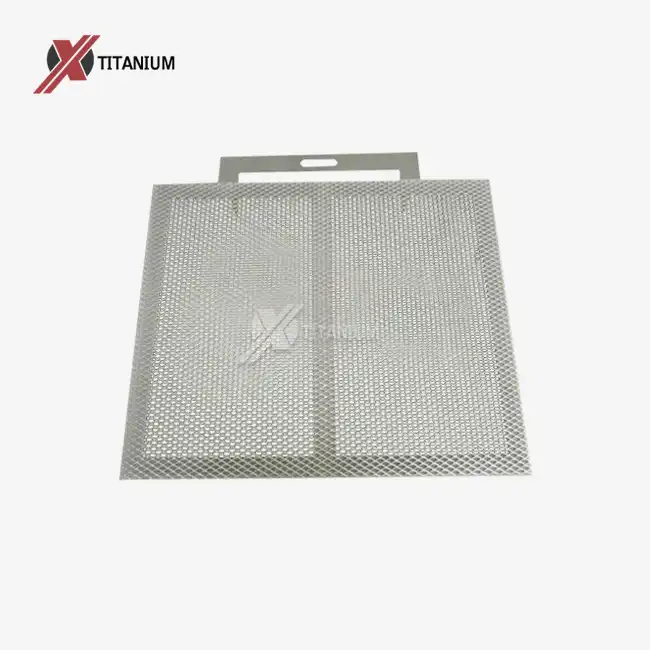
As a Dimensionally Stable Anode (DSA), titanium anode mesh is a high-tech answer in the field of electrochemical engineering. The base is usually made of high-purity titanium, either Grade 1 or Grade 2 according to ASTM B265 standards. This titanium goes through a lot of tough processing steps, such as cold rolling, hot rolling, heating, and pickling. This base material is then changed into either an expanding mesh or a pierced mesh, which increases the useful surface area while keeping the structure strong. Traditional electrode designs have a major flaw that needs to be fixed: gas blocking effects that lower electrochemical efficiency. The mesh shape does this.
The catalytic layer that is put on the titanium base is what makes these anodes different from other options. Mixed Metal Oxide (MMO) layers, which are usually made up of combinations of Ruthenium, Iridium, Tantalum, or Platinum, are bound to the mesh using advanced thermal decomposition methods. These coatings, which can be anywhere from 2 to 15 microns thick based on the application, have great electrocatalytic activity, and the titanium base keeps the dimensions stable over time. This makes an electrode that keeps the same space between electrodes, keeps liquid clean from anode dissolution, and works well at current levels of up to 10,000 A/m².
How Titanium Anode Mesh Functions in Electrochemical Processes?
The main idea behind how it works is to make it easier for electrons to move while still being able to handle harsh chemical conditions. During electrolysis, an electric current flows through the titanium anode mesh. Depending on the type of liquid, the MMO coating helps either oxygen or chlorine to be released. The mesh structure has clear benefits over solid plate designs: it allows more electrolyte to flow through the open shape, lowers voltage drop because current paths are shorter, and better gas release keeps bubbles from building up on the electrode surface.
The material works well in industrial settings because it can work in all pH ranges (0–14) and temperatures up to 80°C without losing its effectiveness. When electroplating, the even flow of current makes sure that the metal layer is the same thickness on all substrates, even if they have complicated shapes. Because the mesh doesn't rust, wastewater treatment plants can use it to reduce stubborn organic pollution in high-salinity effluents, where regular graphite electrodes would quickly stop working. It is easy to place in big electrochemical reactors because it is both lightweight and strong mechanically. This cuts down on both labor costs and the need for structural support.
The coating's resistance to changes in size and chemical attack is what gives the system its long working life—often more than ten years in well-kept systems. Unlike consumable anodes that need to be replaced often, dimensionally stable anodes keep their shape and catalytic qualities throughout their working lifetime. This means that industrial workers have less downtime and a lower total cost of ownership.
Titanium Anode Mesh vs Other Anode Materials: Making an Informed Choice
Performance Comparison Across Material Categories
When engineers look at anode materials, they have to choose between the initial investment and the long-term costs of running the machine. Even though graphite anodes are cheaper at first, they wear out over time and need to be replaced every six to eighteen months, based on the current density. This use adds carbon particles to the electrolyte, which means more filtering is needed and the end products could become contaminated, which is a major problem in medicinal and food-grade settings.
Lead-alloy anodes are more stable in size than graphite, but they are bad for the environment and work at higher overpotentials, which means they use 15–25% more energy than titanium-based options. Stainless steel doesn't rust in neutral conditions, but it quickly passes through a passivation process in acidic or chloride-rich electrolytes. This makes it unsuitable for many industrial electrolytic processes.
Titanium anode mesh gets around these problems because it is chemically neutral, works well as a catalyst, and is strong mechanically. The MMO coating lowers the activation energy for electrochemical processes. This means that less voltage is needed in the cell to keep the current levels that are wanted. This directly leads to energy savings that, over the electrode's useful life, often make up for the higher cost at first. The spatial stability makes sure that the quality of the product stays the same during electroplating operations and that the electrodes stay at the right distance apart in electrolytic cells, so that bending of the electrodes doesn't cause efficiency losses.
Selecting Specifications for Your Application
A lot of technical factors need to be carefully thought through when making procurement choices. The size of the mesh hole changes both the electrode's useful surface area and its mechanical strength. Expanded mesh usually has better structural rigidity and continuous electrical paths than woven designs. This is because it doesn't have any contact resistance where wires meet. The type of material you choose should fit your electrochemical needs. For example, ruthenium-iridium mixtures work best in chlorine evolution situations like brine electrolysis, while iridium-tantalum mixtures work better in oxygen evolution situations like wastewater treatment.
Different ways of treating the surface, like bright finishes, pickling, acid cleaning, or sanding, can change how well the layer sticks and how well it conducts electricity. Customization includes changing the size of the mesh, the thickness of the base, and the designs of the covering that are applied. This lets the process be optimized for different reactor shapes and conditions. Before applying a finish, quality checks like hardness tests, bending tests, and hydraulic pressure checks make sure the mesh meets standards for mechanical performance.
Where and How to Buy Titanium Anode Mesh: Sourcing Tips for B2B Buyers?
Identifying Credible Manufacturers and Suppliers
Setting up a reliable supply chain starts with carefully evaluating suppliers. Manufacturers that specialize in handling titanium tend to cluster in places that already have a good metals infrastructure. Internationally known as the "City of Titanium," Baoji City in China is home to many makers with decades of experience working with rare metals and titanium. Geographic concentration is helpful because it makes it easier to get raw materials, specialized tools, and workers with a lot of professional knowledge.
When buying teams look at possible providers, they should make sure of a few key things. Getting ISO 9001 certification shows that you are dedicated to quality management systems. Certifications specific to your industry, like AS9100 for aerospace uses or medical device manufacturing standards, show that you can meet the strict needs of that sector. Ask for proof that the titanium sheet and plate meets ASTM B265 standards and the titanium bars and billets meets ASTM B348 standards. These standards spell out the makeup of the material, its mechanical properties, and the testing procedures that make sure the quality of the products is always the same.
The ability to manufacture goes beyond simple creation. A supplier's technical depth can be judged by how many CNC machines they have, thermal spray equipment for applying coatings, and in-house testing facilities for electrical conductivity, rust resistance, and coating bonding. Manufacturers that offer unique titanium anode mesh configurations, varying coating thicknesses, and surface treatments that are tailored to specific applications give you more options for tailoring electrode performance to your process needs.
Procurement Models and Logistics Considerations
There are three main ways that industrial buyers usually work with sellers. When you work directly with a manufacturer, you have the most control over details like specifications, shipping times, and expert help. This method works best for large-scale projects or ongoing production needs where custom engineering input during the planning phase adds a lot of value. Technical staff who can talk about electrochemical factors should be able to communicate through routes other than just sales reps taking orders.
You can also buy from distributors and specialized sellers of industrial materials if you need to buy smaller amounts or just look around. Even though these middlemen add a markup to the end price, they have benefits like having more inventory, shipping more types of materials at once, and easier payment terms. In exchange, you may have less access to production experts and have to wait longer for custom specs.
Digital buying tools have made it easier to find new suppliers, especially for standard setups. It is now much easier to check the credentials of suppliers online. Many sites do third-party audits and keep performance scores based on buyer feedback. When buying electrochemical parts online, you should be careful, though. Before you buy, make sure you get mill test results, licensing papers, and coating composition studies. Video checks of manufacturing sites and quality control processes give buyers more trust when they are dealing with new suppliers from afar.
Lead times change a lot depending on how complicated the order is. Standard expanded mesh shapes with common MMO coatings may ship within two to four weeks. Custom geometries or specialized coating recipes, on the other hand, can take eight to twelve weeks from the time an order is confirmed until it is delivered. Titanium is not a dangerous material, so shipping titanium goods is usually easy. However, they should be packed in protective materials to keep the surfaces from getting damaged during transport. Check to see if the prices given include packaging that can be sent internationally, and make sure that high-value orders are covered by security.
Verification and Quality Assurance Protocols
As part of the receiving checking process, both physical specs and electrochemical performance traits should be checked. Measurements of the mesh opening size, substrate thickness, and total electrode dimensions are compared to the order specs. Visual analysis finds flaws on the surface, problems with the consistency of the finish, or damage from shipping. To do a more thorough check, you can test the electrical connection across the mesh surface, measure the coating thickness without damaging it, and look over the paperwork that comes with it, like material certificates and test results.
Setting up rules for testing samples before agreeing to big orders lowers the risks of procurement. Ask for small amounts or samples of a single unit to be sent to you for validation testing in your unique application setting. Over a typical operating time, keep an eye on the stability of the voltage, the efficiency of the current, and any signs of coating degradation. Even though this investment in validation will make the buying process take longer, it greatly lowers the chance of design mismatches or performance gaps in full-scale production settings.
Maintenance, Specifications, and Ensuring Long-Term Performance
Operational Best Practices for Extended Service Life
The working life and cost-effectiveness of electrochemical systems are directly affected by how well they are maintained. As part of regular inspections, the titanium anode mesh surface should be looked at visually to see if the coating is wearing off, there is mechanical damage, or layers are building up. Monitoring the voltage across the electrode lets you know right away if the performance changes, which could mean that the coating is wearing off or there are problems with electrolyte contamination that are affecting the flow of current.
Cleaning methods must find a balance between how well they work and how well they protect the catalytic coating. Chemical cleaning with weak acid solutions gets rid of artificial scale buildup without harming the MMO layer. This is better than rough mechanical cleaning, which could damage the covering. Operating conditions have a big effect on how often maintenance needs to be done. For example, installations that run at higher current densities or in electrolytes with higher levels of suspended solids need to be checked on more often than installations that run at lower intensities in clean process streams.
When storing extra electrodes, it's important to keep them safe from damage and contamination from the surroundings. Keeping the mesh in a dry, temperature-controlled space keeps the titanium base from oxidizing at the cut edges and keeps the coating's integrity. When installing or maintaining electrodes, it's best to avoid touching the covered surface directly and use the right pulling tools to keep the mesh structure from being stressed.
Understanding Standards and Compliance Requirements
International guidelines make it possible to define and check titanium anode goods. ASTM B265 sets standards for titanium and titanium alloy strip, sheet, and plate. It does this by defining chemical makeup limits, mechanical property levels, and test methods for checking the material. When it comes to corrosion resistance and formability, Grade 1 titanium is the best choice. It has the least amount of iron and the most oxygen compared to Grade 2, which is slightly stronger but still has great corrosion resistance and is good for most electrochemical applications.
Even though coating performance standards aren't written down as clearly as substrate specs, they usually use accelerated life testing procedures and electrochemical characterization methods. Reliable makers give test results that show how well the coating sticks, how much current it can carry in the right electrolytes, and how long it is expected to last under certain working conditions. This guide lets you directly compare sellers and gives you an idea of how well your application should work.
During production, quality control includes many stages of checking. When substrate material comes in, it is inspected to make sure it meets the requirements for makeup and mechanical properties. Mesh formation processes are checked for accuracy in measurements, and coating application is watched to make sure that the width is regular and the bonding is strong. Before safe packaging and shipping, the final review includes both electrical testing and a visual check. You can be sure that the product will be the same every time you ask for full quality control paperwork that is specific to your order batch.
Trust and Reliability: Why Choosing the Right Titanium Anode Mesh Supplier Matters
Building Confidence Through Supplier Assessment
Because titanium anode mesh parts are so complicated and important in industrial processes, it's important to choose a seller carefully, and not just based on price. A manufacturer's image, which is built over years of consistently high-quality products and reliable service, gives buyers the trust they need to make decisions about what to buy. Referrals from customers who use similar processes can tell you a lot about how well a company works in the real world, how quickly they respond to technical questions, and how they handle any quality issues that come up during long-term partnerships.
Case studies of successful uses in your industry show how much experience a provider has with the conditions and performance needs that are important for your business. Suppliers who have long-term partnerships with large industrial operators usually show the steadiness, technical know-how, and focus on customer care that make partners you can trust. The warranty terms show that the company behind the product is confident in its quality. For example, full coverage for problems with the base or finish failing too soon shows that the company cares about customer satisfaction and product performance.
Support services after the sale are what set providers with real business relationships apart from those with transactional relationships. Being able to talk to application engineers about operational problems, being able to get replacement parts quickly, and being willing to change designs based on performance feedback are all things that help keep downtime to a minimum and process efficiency at its highest throughout the lifecycle of an item.
Strategic Advantages of Long-Term Manufacturer Partnerships
Instead of just buying things when they need them, industrial businesses can get a lot more out of building long-term ties with capable suppliers. Manufacturers who know about your unique application needs can suggest design changes, suggest different coating formulations for changing process conditions, and give your orders priority during times of high demand. This joint method goes beyond just buying things; it also includes efforts to improve processes and keep them running at their best.
Supply chain security gets a lot better when partners work together. This is especially important for specialized parts that take a long time to get. Manufacturers gain trust in demand forecasts, which helps them keep the right amount of raw materials on hand and make the best use of their production capacity. This means faster lead times for repeat orders and special treatment when parts are hard to find or when factories aren't able to make as much.
When suppliers understand your business hurdles and performance goals, technical progress moves faster. When companies spend money on coating formulation research, new manufacturing methods, or new mesh geometries, they are more likely to include trusted customers in early adoption and sample testing programs. This gives buyers who are thinking ahead a chance to gain a competitive edge by getting access to next-generation electrode technologies before they become available to more people.
Conclusion
To find titanium anode mesh for industrial use, you have to balance technical requirements with the supplier's skills and the chance of a long-term relationship. The material's high resistance to rust, steadiness in shape, and electrochemical efficiency make it the best choice for electrodes in many fields, from wastewater treatment to electroplating. Finding goods that are compliant is only one part of successful procurement. Other parts include checking the quality of the making, building reliable supply relationships, and following the right upkeep procedures.
Industrial buyers can get better deals when they work directly with specialized makers who have a lot of technical knowledge, strong quality control systems, and a history of success in tough environments. Putting time and effort into carefully evaluating suppliers and building relationships with them pays off in the form of higher operational reliability, better process performance, and the ability to get ongoing expert help for the life of the equipment.
FAQ
Q1: What industries commonly use titanium anode mesh?
A: There are many uses for titanium anode mesh in many different industries. These anodes are used in electroplating to make sure that the metal is deposited evenly. They are used to make printed circuit boards and for artistic chrome plating. They are used in water treatment plants to clean the water by making chlorine and electrochemically oxidizing organic toxins. These electrodes are used in electrosynthesis processes and cathodic protection systems for naval buildings and industrial equipment by the chemical industry.
Q2: How long does titanium anode mesh typically last in industrial use?
A: Service life depends on how it's used, but titanium anode mesh that is well taken care of should work well for ten to fifteen years in most industry settings. Current density, electrolyte makeup, working temperature, and maintenance routines are some of the most important factors that affect how long something lasts. Installations that are used within the limits set by the maker and get regular checks usually last as long as they were supposed to.
Q3: Can titanium anode mesh be customized for specific applications?
A: Manufacturers give you a lot of ways to change things about electrodes so that they work best for your process. Mesh opening size, substrate thickness, total electrode measurements, coating makeup (MMO or platinum formulations), coating thickness, and surface treatment are some of the things that can change. Custom shapes can fit different reactor setups, and custom coating formulations can work in certain electrochemical settings.
Get Quality Titanium Anode Mesh from a Trusted Manufacturer
Chuanglian is an expert at making high-performance electrolytic parts and has more than ten years of experience working with titanium and other rare metals. If you need titanium anode mesh that meets ASTM B265 standards, our Baoji plant makes it. The MMO and platinum coatings can be changed to fit your unique needs. We have strict quality control throughout the whole production process, from choosing the base to checking the final electrical connections. This makes sure that every mesh works the same way in harsh industrial settings.
Our expert team offers full application support and can help you find the best electrode specs for the best performance and longest life. Get in touch with our technical experts at info@cltifastener.com or djy6580@aliyun.com to talk about your needs for a titanium anode mesh supplier and get full product specs. Our full line of titanium goods for industrial electrical uses can be seen at cl-titanium.com.
References
1. Trasatti, S. (2000). "Electrocatalysis: Understanding the Success of DSA." Electrochimica Acta, Vol. 45, pp. 2377-2385.
2. Chen, G. (2004). "Electrochemical Technologies in Wastewater Treatment." Separation and Purification Technology, Vol. 38, Issue 1, pp. 11-41.
3. Comninellis, C. and Chen, G. (2010). "Electrochemistry for the Environment." Springer Science & Business Media, New York.
4. Karlsson, R.K.B. and Cornell, A. (2016). "Selectivity between Oxygen and Chlorine Evolution in the Chlor-Alkali and Chlorate Processes." Chemical Reviews, Vol. 116, pp. 2982-3028.
5. ASTM International (2018). "ASTM B265-15: Standard Specification for Titanium and Titanium Alloy Strip, Sheet, and Plate." West Conshohocken, PA.
6. Martínez-Huitle, C.A. and Brillas, E. (2009). "Decontamination of Wastewaters Containing Synthetic Organic Dyes by Electrochemical Methods." Applied Catalysis B: Environmental, Vol. 87, Issues 3-4, pp. 105-145.
Learn about our latest products and discounts through SMS or email