- English
- French
- German
- Portuguese
- Spanish
- Russian
- Japanese
- Korean
- Arabic
- Greek
- German
- Turkish
- Italian
- Danish
- Romanian
- Indonesian
- Czech
- Afrikaans
- Swedish
- Polish
- Basque
- Catalan
- Esperanto
- Hindi
- Lao
- Albanian
- Amharic
- Armenian
- Azerbaijani
- Belarusian
- Bengali
- Bosnian
- Bulgarian
- Cebuano
- Chichewa
- Corsican
- Croatian
- Dutch
- Estonian
- Filipino
- Finnish
- Frisian
- Galician
- Georgian
- Gujarati
- Haitian
- Hausa
- Hawaiian
- Hebrew
- Hmong
- Hungarian
- Icelandic
- Igbo
- Javanese
- Kannada
- Kazakh
- Khmer
- Kurdish
- Kyrgyz
- Latin
- Latvian
- Lithuanian
- Luxembou..
- Macedonian
- Malagasy
- Malay
- Malayalam
- Maltese
- Maori
- Marathi
- Mongolian
- Burmese
- Nepali
- Norwegian
- Pashto
- Persian
- Punjabi
- Serbian
- Sesotho
- Sinhala
- Slovak
- Slovenian
- Somali
- Samoan
- Scots Gaelic
- Shona
- Sindhi
- Sundanese
- Swahili
- Tajik
- Tamil
- Telugu
- Thai
- Ukrainian
- Urdu
- Uzbek
- Vietnamese
- Welsh
- Xhosa
- Yiddish
- Yoruba
- Zulu
Which is better between Platinized Titanium and Graphite Electrodes ?
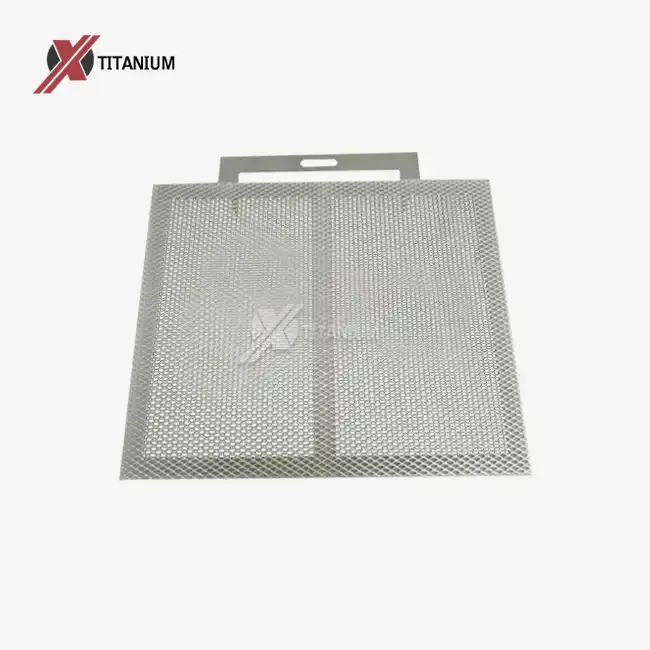
Picking the best electrode material is a smart choice that has a direct effect on how well an electrochemical system works, how much it costs to maintain, and how reliable its production is. When buying teams and process engineers look at electrode choices, one of the most important things they always compare is the difference between platinized titanium anodes and graphite electrodes. Based on our many years of experience making things at Chuanglian, platinized titanium anodes usually provide better long-term value for harsh electrochemical environments.
This is especially true when corrosion resistance, dimensional stability, and low maintenance needs make the higher initial investment worthwhile. On the other hand, graphite electrodes are used in specific situations where high temperatures are needed or where cost is an issue and repair cycles are okay. In the end, the decision relies on your specific working factors, the makeup of the electrolyte, the current density you need, and your total cost of ownership figures, not just the price.
Understanding Platinized Titanium and Graphite Electrodes
Material Composition and Manufacturing Fundamentals
Platinized titanium anodes have a high-purity titanium base (usually ASTM Grade 1 or Grade 2) and a catalytically active platinum layer that is put on using precise electroplating methods. The natural oxide passivation layer on the titanium base gives it great mechanical strength and rust resistance. The platinum coating layer, which is between 2 and 15 microns thick, has better electrocatalytic activity. In the manufacturing process, the surface is carefully prepared by washing and acid cleaning. This is followed by controlled electrodeposition to make sure that the platinum is spread out evenly across complex shapes.
At our factory, the production process starts with either cold-rolling or hot-rolling the titanium base to prepare it. Next, the material is annealed to improve its features. Bright polishing, sandblasting, or special acid cleaning procedures can be used to finish the surface, based on the needs of the application. Each anode goes through a lot of quality checks, such as hardness checks, bend tests, and hydraulic pressure checks, to make sure that the dimensions stay the same under practical stress.
Graphite Electrode Characteristics
Graphite electrodes are made from materials that are very pure carbon that have been heated above 2,500°C and then graphitized. Using this method to make electrodes gives them great electrical conductivity and heat protection, making them useful in certain industrial settings. Because these electrodes are made of carbon, they can survive high temperatures while still conducting electricity well. This makes them suitable for processes like making steel and high-temperature electrochemistry where controlling temperature is the main engineering task.
Graphite is limited by its porous structure and chemical reactivity in oxidizing settings, which buying teams must carefully weigh against practical needs. Understanding these basic differences in materials helps explain why the choice of electrode has such a big effect on both the short-term success of production and the long-term costs of operations.
Performance Comparison: Platinized Titanium vs Graphite Electrodes
Corrosion Resistance and Service Life
In electrochemical uses, dimensional steadiness is likely the most important thing that sets one performance level apart from another. Platinized titanium anodes keep their exact geometric shapes for the whole time they are working, which is usually 24 months or more under normal conditions. This stability makes sure that the lengths between the electrodes stay the same. This results in even current flow and plating thickness across complicated component shapes. Aggressive electrolytes, such as sulfuric acid, hydrochloric acid, and high-chloride brine solutions, can't damage the platinum layer. These are widely found in electroplating and chlor-alkali operations.
Graphite electrodes break down faster in acidic conditions. As the carbon structure wears away, the electrodes' dimensions change. This use pollutes electrolyte baths with particles, so they need to be filtered often. In sensitive uses, this could lower the quality of the product. Replacement rounds usually happen every 3 to 6 months, based on the current density and electrolyte composition. This means that procurement managers have to plan for ongoing purchases and production breaks when they figure out the total cost.
Energy Efficiency and Current Performance
In electrochemical processes, electrocatalytic activity has a direct effect on how much energy is used. Our platinized titanium anodes have low oxygen evolution overpotentials, which means they need 0.3 to 0.8 volts less cell voltage than graphite options in normal chlorine evolution situations. According to the facility, this voltage drop saves 10 to 20 percent of the energy used, which saves a lot of money over the life of the facility. The platinum surface makes it easy for electrons to move at current rates between 1 and 100 A/dm², which supports high-throughput production needs without lowering performance.
Another thing to think about when it comes to efficiency is the operating temperature. In some situations, graphite electrodes can handle very high temperatures. On the other hand, platinized titanium anodes are very stable up to 800°C and work better in the 20–80°C range, which is where most electroplating and chemical processing takes place. This range of temperatures and the ability to make custom forms like mesh, rod, tube, and plate configurations make it possible to optimize current distribution for complicated part geometries that are common in aircraft, medical device, and high-end electronics manufacturing.
Cost and Procurement Considerations
Total Cost of Ownership Analysis
The initial costs of platinized titanium anodes are usually 300–500% higher than the prices of graphite electrodes. This makes it hard for organizations whose main budget is for capital expenditures to get these materials right away. Total cost of ownership estimates, on the other hand, show a different economic reality. Because platinized anodes last 4–8 times longer than graphite options, they don't need to be replaced as often, which saves a lot of money on work costs. Getting rid of the sludge that the anode creates lowers the costs of maintaining the filter system and replacing the electrolytes. Additionally, making the system more energy efficient saves money over time.
Lifetime costs should be looked at by procurement teams. These costs should include electrode replacement parts and work, unplanned downtime during changeovers, electrolyte treatment costs, and differences in energy use. By looking at these costs over a number of years, process engineers often find that platinized titanium anodes have 30–50% lower overall ownership costs, even though they cost more up front. In settings with continuous operation, where production breaks cost a lot in lost opportunities, this economic benefit stands out even more.
Supplier Partnership and Sourcing Strategy
To get electrodes that work well, you need to do more than just buy them. You also need to build strategic relationships with suppliers based on their technical skills, quality system growth, and delivery reliability. As a factory based in Baoji, which is known around the world as the "City of Titanium," Chuanglian can do everything from finding raw materials to inspecting the finished product. Our AS9100 and ISO9001 certifications give companies in the aircraft, medical, and chemical processing industries the quality system framework they need to qualify us as a provider of the platinized titanium anode.
Procurement managers should give more weight to suppliers that can customize their products to meet the needs of a particular process, provide detailed documents on how materials can be tracked, and offer quick expert help for application optimization. For project-based procurement cycles, managing lead times becomes very important. This makes seller inventory practices and the ability to increase production capacity important factors for review. When you buy in bulk from qualified sellers, you can get volume discounts and make sure that materials are always available at times that work with your production plans.
Application-Based Suitability: When to Choose Each Electrode
Optimal Applications for Platinized Titanium Anodes
The natural situation where platinized titanium anodes provide the most value is in chemical production settings with harsh electrolytes. These anodes are very good at resisting rust and keeping their shape, which makes them useful for making chlor-alkali, electrowinning metal, and commercial electroplating. In the aerospace industry, platinized titanium is used to electroplate airplane structural parts and bolts. Coating uniformity and process accuracy are very important.
The material's resistance to chloride-induced breakdown is used in marine engineering for things like saltwater electrolysis to make sodium hypochlorite and offshore platform corrosion protection systems. When making medical devices, these anodes are used to polish surgery tools and process implant parts. Graphite is not a good choice because of concerns about the purity of the electrolyte and its connection with living things. The energy industry is using platinized titanium anodes more and more to make hydrogen through water electrolysis, taking advantage of the material's long life and ability to use less energy.
Our work with big chemical companies and aircraft OEMs shows that choosing the right electrodes has a direct effect on production yields and operating dependability. Our plant uses precise CNC machining to make custom-designed anode shapes that improve current distribution for complicated component setups. This leads to better plating uniformity and lower reject rates.
Graphite Electrode Applications
Graphite electrodes are still useful in certain situations where their special properties match the needs of the process. Large-diameter graphite electrodes are used in electric arc furnace steelmaking to carry huge currents at temperatures above 3,000°C, where other materials can't live. The chemical inertness of graphite in certain reaction conditions may help electrochemical synthesis processes that use organic substances or fluids that are not water-based.
Operations that are tight on funds but have well-established supply chains and maintenance processes for graphite electrodes may continue to use these materials as long as the trade-offs for their limitations are appropriate. But procurement teams should carefully check if the apparent cost savings are really saves when they take into account how often they need to be replaced, how much efficiency is lost, and how much energy is used differently when platinized titanium anode alternatives are chosen.
Making the Decision: How to Choose Between Platinized Titanium and Graphite Electrodes
Decision Framework for Procurement Teams
Creating a structured review system helps procurement managers and process engineers figure out how to choose the right electrodes. Start by writing down the current working factors, such as the electrolyte makeup, pH range, operating temperature, necessary current density, and production volume goals. Check the performance of the current electrodes by looking at the repair logs, which show how often they need to be replaced, how they fail, and how much the downtime costs. Get quality assurance teams to figure out how many problems there are with the goods that are caused by electrodes not working right or electrolyte being contaminated.
Find the basic operating measures, such as the amount of energy used per unit of production, the cost of the anode per hour of production, and the distribution of maintenance labor. When comparing different electrode materials, these measured baselines make it possible to make useful comparisons. Procurement teams should ask possible providers for detailed technical specs, such as ways to check the thickness of the coating, the maximum current density that can be used, and the expected service life of the platinized titanium anode under your particular working conditions.
Pros and Cons Summary
Platinized titanium anodes have many benefits, including high resistance to corrosion that extends their useful life, consistent performance due to stable dimensions, lower operational costs due to energy efficiency, no anode consumption that prevents electrolyte contamination, and the ability to be customized to improve installation compatibility. The main problem is still the higher original cost of acquisition, which means that stakeholders need to agree on how to evaluate the total cost of ownership instead of just capital spending.
Graphite electrodes are cheaper up front and can handle high temperatures in certain situations. However, they have some problems, like faster wear and tear that means they need to be replaced more often, dimensional instability that lowers the quality of the product, electrolyte pollution from erosion products, higher energy use, and limited use in oxidizing conditions. When you make choices about what to buy, you should make sure that these traits fit with your operational goals and limits.
Companies that want to improve their operations, use less energy, and lower their long-term costs usually find that platinized titanium anodes are the best choice. When operations need to work at high temperatures or don't have a lot of money, they may continue to use graphite when it makes sense, while working on transfer plans to more advanced materials as their budgets allow.
Conclusion
Choosing the right electrode is a major procurement choice that has big effects on how well production works, how much it costs, and how competitive the company is. Our research shows that platinized titanium anodes are better at resisting rust, keeping their shape, using energy efficiently, and having a lower total cost of ownership in most electrochemical situations.
Graphite electrodes can still be useful in some situations, but platinum-coated titanium electrodes offer better performance and cost savings that make the higher original investment worth it for companies that want to be the best at what they do. When procurement teams make electrode buying choices that will affect operations for years to come, they should do a thorough total cost of ownership analysis that looks at things like energy use, maintenance frequency, effects on production quality, and the quality of the supplier partnerships.
FAQ
Q1: How does the service life compare between platinized titanium and graphite electrodes?
A: Under normal electrochemical conditions, platinized titanium anodes can usually work for 24 months or longer, though this depends on the current density and how strong the electrolyte is. Graphite electrodes usually need to be replaced every three to six months because they wear out from rust and mechanical wear.
Q2: Can platinized titanium anodes be customized for specific applications?
A: One of the best things about titanium electrode technology is that it can be customized. We make platinized titanium anodes in a variety of shapes and sizes, such as mesh, rod, tube, plate, and complex geometric forms that fit the needs of your process equipment. The thickness of a platinum layer can range from 2 to 15 microns, depending on the expected current density and the length of time the device needs to work.
Q3: What maintenance practices extend electrode service life?
A: Using electrodes correctly has a big effect on how long they last. Keep the makeup of the electrolyte within certain limits to avoid too much contamination that speeds up the breakdown of the coating. Control the current density within the limits set by the maker. Running above the maximum capacity for a long time shortens the service life. By checking for mechanical damage and covering quality on a regular basis, problems can be found early on, before they become too big to fix.
Partner with Chuanglian for Superior Platinized Titanium Anode Solutions
Chuanglian is an expert at making high-performance platinized titanium anodes that are designed to meet the strict needs of aircraft, chemical processing, marine engineering, and advanced manufacturing. From checking the raw materials to the final review, our strict quality control system makes sure that every anode meets the highest standards for coating consistency, dimensional accuracy, and electrochemical performance. We offer unique electrode solutions that are best for your needs thanks to our more than ten years of experience working with titanium and our advanced CNC cutting skills.
As a top producer of platinized titanium anodes based in Baoji's specialized titanium production center, we can offer you reasonable prices, on-time deliveries, and helpful technical support. Together with your process experts, our engineering team finds the best electrode shape, coating specs, and fitting parameters to get the best performance in your particular application setting. To talk about your electrode needs, please email our team at info@cltifastener.com or djy6580@aliyun.com right away. You can look at our full line of products at cl-titanium.com and learn how Chuanglian's platinized titanium anode options can give your operations the performance, stability, and value they need.
References
1. Trasatti, S. "Electrocatalysis: Understanding the Success of DSA®." Electrochimica Acta 45.15-16 (2000): 2377-2385.
2. Karlsson, R. K. B., and Cornell, A. "Selectivity between Oxygen and Chlorine Evolution in the Chlor-Alkali and Chlorate Processes." Chemical Reviews 116.5 (2016): 2982-3028.
3. Chen, G. "Electrochemical Technologies in Wastewater Treatment." Separation and Purification Technology 38.1 (2004): 11-41.
4. Comninellis, C., and Vercesi, G. P. "Characterization of DSA-Type Oxygen Evolving Electrodes: Choice of a Coating." Journal of Applied Electrochemistry 21.4 (1991): 335-345.
5. Schmuki, P. "From Bacon to Barriers: A Review on the Passivity of Metals and Alloys." Journal of Solid State Electrochemistry 6.3 (2002): 145-164.
6. Hayfield, P. C. S. "Development of the Noble Metal/Oxide Coated Titanium Electrode." Platinum Metals Review 42.1 (1998): 27-33.
_1747708576205.webp)
Learn about our latest products and discounts through SMS or email