- English
- French
- German
- Portuguese
- Spanish
- Russian
- Japanese
- Korean
- Arabic
- Greek
- German
- Turkish
- Italian
- Danish
- Romanian
- Indonesian
- Czech
- Afrikaans
- Swedish
- Polish
- Basque
- Catalan
- Esperanto
- Hindi
- Lao
- Albanian
- Amharic
- Armenian
- Azerbaijani
- Belarusian
- Bengali
- Bosnian
- Bulgarian
- Cebuano
- Chichewa
- Corsican
- Croatian
- Dutch
- Estonian
- Filipino
- Finnish
- Frisian
- Galician
- Georgian
- Gujarati
- Haitian
- Hausa
- Hawaiian
- Hebrew
- Hmong
- Hungarian
- Icelandic
- Igbo
- Javanese
- Kannada
- Kazakh
- Khmer
- Kurdish
- Kyrgyz
- Latin
- Latvian
- Lithuanian
- Luxembou..
- Macedonian
- Malagasy
- Malay
- Malayalam
- Maltese
- Maori
- Marathi
- Mongolian
- Burmese
- Nepali
- Norwegian
- Pashto
- Persian
- Punjabi
- Serbian
- Sesotho
- Sinhala
- Slovak
- Slovenian
- Somali
- Samoan
- Scots Gaelic
- Shona
- Sindhi
- Sundanese
- Swahili
- Tajik
- Tamil
- Telugu
- Thai
- Ukrainian
- Urdu
- Uzbek
- Vietnamese
- Welsh
- Xhosa
- Yiddish
- Yoruba
- Zulu
Where to purchase titanium button head bolts for motorcycles?
B2B buyers can get titanium button head bolts for bikes from a number of trusted sources. Specialized titanium fastener makers, like Baoji Chuanglian New Metal Material Co., Ltd., give you direct access to Grade 5 titanium button head bolts that are approved, can be fully tracked, and can be customized. Verified choices can also be found on industry trade platforms, dealers of aircraft components, and makers of motorbike parts. Authenticity is confirmed by ISO compliance, material certificates, and proof of tensile strength. Direct relationships with manufacturers usually offer the best prices, the best technical support, and consistent batch quality. These are all very important for procurement managers who want to make sure they have a steady supply chain in the long run.
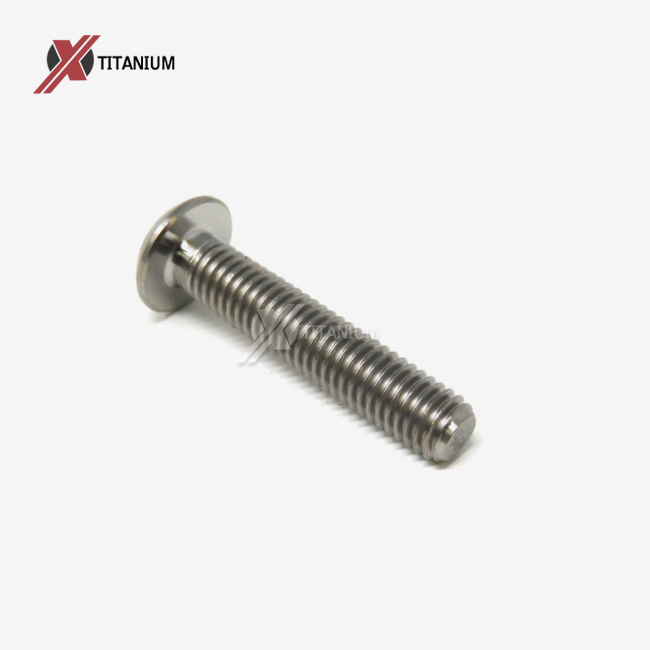
Understanding Titanium Button Head Bolts for Motorcycles
What Defines Titanium Button Head Bolts?
Titanium button head bolts have a unique low-profile, rounded head shape and an internal hex drive system that meets ISO 7380 requirements. When compared to socket cap screws, button head screws have a wider bearing area. They also have a slimmer shape that makes them less likely to get caught on external motorbike parts. These screws are mostly made from Ti-6Al-4V (Grade 5) titanium alloy, which has a tensile strength of about 900 MPa and a density that is 45% lower than steel versions. The internal drive mechanism, which is usually an Allen or Torx screw, lets you apply precise torque in tight areas that are common in motorbike chassis and engine parts.
Mechanical Properties and Performance Characteristics
The strength-to-weight ratio of grade 5 titanium is very high, which directly improves performance in motorbike uses. The metal stays strong even when it's loaded and unloaded many times, which happens a lot in places with a lot of shaking. Its fatigue strength is higher than that of stainless steel in the same cross-section. Thermal stability stays the same from very cold temperatures to 400°C. This keeps titanium button head bolts from creeping or coming loose during long periods of high-temperature use near brake or exhaust systems.
Titanium is resistant to corrosion because it has a natural oxide film that repairs itself when it gets broken. In comparison to stainless steel options, this passive layer works better in saltwater, chloride-filled settings, and acidic conditions. The substance doesn't allow pitting corrosion or stress corrosion cracking, which are types of failure that can weaken fasteners in maritime or coastal riding situations. This feature makes repair intervals longer and lowers upkeep costs over the life of the titanium button head bolts.
Standard Sizing and Specifications
Titanium button head bolts for bikes usually have thread sizes between M3 and M30, but you can get them in any length you need to meet your unique assembly needs. Following ISO metric standards for thread pitch makes sure that it works with current motorbike frame taps and threaded inserts. Head height requirements match clearance limits in places like brake pads, engine covers, and exterior mounting points where standard bolt profiles would get in the way of nearby parts. Depending on the motorcycle manufacturer's requirements, procurement teams should check that the measurement tolerances meet DIN or ANSI standards. This is because thread fit grades have a direct effect on joint preload and vibration resistance.
Comparing Titanium Button Head Bolts with Alternative Materials
Strength and Weight Analysis
Titanium button head bolts are stronger than stainless steel screws in certain ways, like the ratio of their tensile strength to their mass. A Grade 5 titanium M6 bolt weighs about 55% less than a matching stainless steel 316 bolt, but it can hold the same amount of tension or more. This weight loss is important for motorbike racing, where every gram changes how the bike handles and how quickly it accelerates. Aluminum bolts are a little lighter than titanium button head bolts, but they lose 60% of titanium's tensile strength. This means that they can't be used for structural links or high-load situations like swingarm pivots and triple clamp assemblies.
Higher absolute tensile strengths are possible with carbon steel bolts (up to 1200 MPa in Grade 12.9 grades), but they need protective coats that are heavier and break down over time. The failure of the coating leaves the base open to severe corrosion, which can be a problem when riding in wet conditions or places where road salt is used. Titanium doesn't corrode naturally, so this way of failing doesn't happen at all. It gives solid long-term performance without relying on surface treatments.
Corrosion Resistance and Durability
Titanium is extremely resistant to corrosion caused by chloride. It keeps its shape in ocean spray and seaside areas, where stainless steel fasteners start to pit after 18 to 24 months. According to ASTM B117, tests with salt spray in a lab shows that titanium button head bolts samples can go over 1000 hours without breaking down, but 304 stainless steel starts to show surface damage after just 200 hours. This difference in performance directly leads to fewer replacements and lower lifetime maintenance costs. This is especially important for motorcycle fleets that work in harsh settings or go on long tours where they are exposed to changing weather for long periods of time.
One more benefit is that galvanic compatibility is present. Titanium's place in the galvanic series reduces the amount of electrochemical reactions that happen when it is combined with aluminum frames or magnesium engine parts. This stops the faster rusting that happens when steel bolts touch metals that are not the same. This flexibility makes choosing materials easier and gets rid of the need for coatings or separating screws that make assembly more difficult.
Cost Considerations and Lifecycle Value
Titanium button head bolts usually cost three to five times more to buy at first than stainless steel bolts of the same size. This is because of the higher cost of the raw materials and the need for special machining. Total cost of ownership estimates, on the other hand, show a different economic picture. Titanium button head bolts cut down on the number of times they need to be replaced because of rust.
They also cut down on the time and money needed to remove seized fasteners and the performance fees caused by weight that affect fuel economy or control. When purchasing managers look at high-volume OEM applications, they should compare these factors to steel options. The benefits over the lifetime often make up for the higher cost up front in performance-focused segments or premium product lines where price support is needed for difference.
How to Select the Best Titanium Button Head Bolts for Motorcycles?
Material Grade Selection
Grade 5 titanium button head bolts (Ti-6Al-4V) is the standard for structural motorbike bolts because it is strong, flexible, and easy to machine. The alloy has better tensile qualities than widely pure grades because it has 6% aluminum and 4% vanadium in it. It also has great corrosion protection. Commercially Pure Grade 2 titanium is better at resisting corrosion and is easier to shape when cold, but it is less strong and can be used for non-structural tasks like putting decorative trim or chassis bolts. It is important for procurement specs to clearly state the grade requirements that are in line with joint loading figures, since using Grade 2 in high-stress situations can put you at risk of being sued.
Material deliveries must come with certification paperwork, such as mill test reports that list the chemicals used, tension test results, and records of the heat treatment process. Suppliers that meet aerospace standards usually provide heat lot numbers that can be used to track down titanium button head bolts materials. This lets quality assurance teams make sure that standards are being met and keep audit records to protect themselves from risk.
Industry Certifications and Quality Standards
Suppliers you can trust keep certifications that show they have good quality management and technology skills. ISO 9001 certification sets the basic standards for a quality system, while AS9100 certification shows that the process is controlled at an aerospace level. This is especially important for suppliers who work with motorcycle racing teams or high-end makers who have very high quality standards. Material testing approvals should use ASTM standards as objective performance measures. For example, ASTM B348 for titanium bars and ASTM F67 for surgical implant materials used in some titanium button head bolts.
Dimensional verification records, surface finish measures, and tensile tests on representative samples from each production lot should all be part of the quality inspection paperwork. Instead of vague statements of quality, procurement teams should ask for certificates of conformity that clearly state compliance with drawing specs. This paperwork is very important for settling quality disputes or backing warranty claims.
Application-Specific Requirements
For OEM installations, the requirements are different from those for aftermarket or race installs. Original equipment makers put a high value on batch stability, reliable delivery dates, and approval paperwork that shows they are following the rules. In racing, reducing weight is important, and titanium button head bolts may need to be made with tighter tolerances or special surface processes like nitriding to make them more resistant to wear and tear. When using an off-road motorbike, you need to pay extra attention to how it handles shock loads and may need to set minimum extension percentages to make sure it can bend when it hits something.
When choosing a bolt, you should think about the joint design factors, such as the clamping force needed, the thread contact length, and the torque requirements. If you don't specify enough pin strength, it could fail, and if you specify too much, it will cost more without improving performance. To choose the best titanium button head bolts, engineering teams should work with suppliers who know how to use them. This is especially important when switching from steel to titanium, since the different elastic modulus values affect the preload calculations.
Where and How to Purchase Titanium Button Head Bolts for Motorcycles?
Direct Manufacturer Partnerships
For people who buy a lot of titanium button head bolts, building ties with specialized makers can be very helpful. Baoji Chuanglian New Metal Material Co., Ltd., which is in China's "City of Titanium," is an example of a company that can do everything from processing raw materials to CNC cutting and surface treatment. Direct maker partnerships let you choose the thread length, head style, and surface finish, and they also make sure that you can track down the materials and make sure that each batch is the same. Manufacturers who have more than one CNC machine can handle both small batches of prototypes and large batches of production, which helps with the whole process from product development to mass production.
Technical help is a key way that makers can set themselves apart from each other. Suppliers who know a lot about metals can help you choose the right grade, come up with torque specs that take titanium button head bolts elastic properties into account, and suggest surface treatments that make it more resistant to corrosion in certain working conditions. This consultative method lowers the risk of buying and speeds up the qualification process compared to transactional commodity sellers who don't know much about applications.
Online B2B Procurement Platforms
Industrial procurement platforms put buyers in touch with authorized suppliers and give them tools to compare specs, look at reviews for suppliers, and handle foreign transactions. Platforms that focus on metal parts or titanium button head bolts offer search options for material grade, approval status, and minimum order amounts, which makes it easier to find suppliers. But buyers should check the qualifications of suppliers on their own, since platform verification methods range in how strict they are. Quality risk can be reduced by asking for material certifications, checking sample goods, and placing small trial orders before making large purchases.
Online sites are especially helpful for buying teams that need to find a variety of titanium button head bolts or look into different sellers to compare prices. Publicly available prices and specs make benchmarking easier, but direct talks with manufacturers usually lead to better prices for long-term supply deals or promises to buy in bulk.
Distributor and Specialty Supplier Networks
Aerospace component dealers and specialty fastener providers keep certified titanium button head bolts in stock so that pressing needs or small purchases can be met quickly. Distributors add value by storing goods locally, consolidating shipping, and making the purchasing process easier. These benefits make up for the slightly higher unit costs compared to buying directly from the maker. Racing parts companies that sell high-performance motorbike parts usually keep titanium button head bolts kits in standard sizes and finishes. This makes them easy to use in aftermarket uses, but they usually charge more because they are in a niche market.
Procurement managers should look at what the seller can do, such as the size of their goods, their wait times, and their return policies. Distributors with expert staff can help customers choose the right titanium button head bolts and give advice on how to use them. Distributors who are only there to facilitate transactions, on the other hand, don't add much value beyond making transactions easier.
Verification and Authentication Protocols
If you buy counterfeit titanium button head bolts from unknown sellers or the secondary market, you run a big risk of getting low-quality ones. The first step in authentication is qualifying the seller. This includes checking the supplier's business registration, facility skills, and customer references. Material certifications should list individual output lots and heat numbers that can be checked against mill records. Sample goods should be looked at in person to make sure they are the right size, have the same surface finish, and are properly marked, with grade stamps if needed.
Testing by a third party adds extra security to high-stakes titanium button head bolts apps. Chemical research can confirm the composition of a titanium alloy, tensile tests can confirm its mechanical qualities, and metallographic study can confirm that the microstructure is correct. Testing takes more time and costs more money, but the reduced risk makes it worth it for important uses or when building new relationships with suppliers.
After-Sales Support and Future Trends in Titanium Bolt Procurement
Value-Added Services and Technical Support
Leading sellers set themselves apart by offering full help after the sale that covers the whole titanium button head bolts procurement process. Customization services can meet specific needs, such as non-standard lengths, custom drive setups, or special surface treatments that match brand identity programs. Technical help helps engineering teams improve joint designs, figure out the right torque values that take titanium's friction into account, and fix problems that come up during installation. Warranty programs give people a way to get their money back if a titanium button head bolt is made badly, and clear paperwork of warranty terms and claims processes shows that the source trusts the quality of the product.
Advanced Surface Treatments
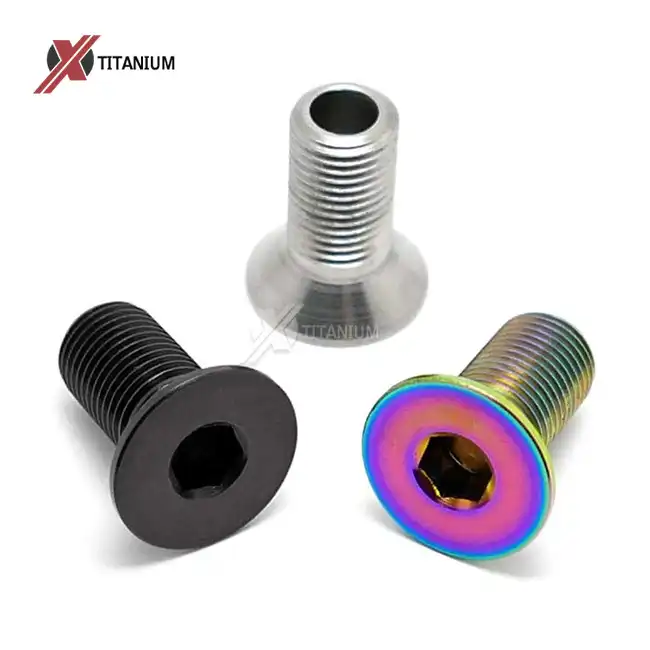
Anodizing processes improve the look of titanium button head bolts while also making the surface harder and protecting them from rust. Type II anodizing makes the metal more resistant to wear and more lubricious, which makes it easier to put together and take apart. Type III anodizing controls the thickness of the oxide layer to create interference color effects like gold, blue, purple, rainbow, and black finishes. This lets you make your products look different without using paint or coats that could chip or peel. Nitriding processes spread nitrogen into the top layer, making it very hard and resistant to wear in high-cycle uses like suspension linkage pivots.
These surface treatments are useful for more than just looking good. Anodized surfaces are better at resisting fatigue because they get rid of surface flaws that can cause cracks to start in titanium button head bolts. Visual tracking is also provided by the treatments. For example, quality teams can use color coding to tell the difference between different bolt types or torque specs.
Market Trends and What the Future Holds
Fasteners that are both light and strong are becoming more and more popular across all types of motorcycles. Developing electric motorcycles focuses on reducing weight to increase range, which opens up more uses for titanium button head bolts. For long-term off-road use, the adventure touring and overlanding groups favor corrosion resistance and longevity. As a result, driving specifications change from steel bolts to titanium button head bolts. Racing rules are letting people use different materials more and more, which encourages teams to try to get lighter by using titanium.
The cost of processing titanium button head bolts has gone down thanks to improvements in cutting tool materials, better machine parameters, and additive manufacturing methods that allow for production close to a net shape. These changes are slowly lowering the price difference between titanium fasteners and traditional materials. This means that titanium button head bolts can be used in more motorcycles, not just high-end ones.
Conclusion
Finding titanium button head bolts for bikes requires a strategy plan that balances technical requirements, supplier skills, and cost-effectiveness over the product's lifetime. Grade 5 titanium has the best strength-to-weight ratio and corrosion protection of any material on the market. Its higher cost is justified by the fact that it requires less upkeep and is more reliable. To do a good job of buying, you need to check the certifications of the materials, see how skilled the suppliers are, and build relationships with makers who can help with both prototype development and production scaling.
Direct relationships with manufacturers give you the most control over quality and customization, while middlemen make things easier for smaller orders. Authentication procedures and testing by a third party keep fake titanium button head bolts from getting sold. As manufacturing methods improve and market demand rises, titanium fasteners will continue to be used in more types of motorcycles. This will make seller ties and technical knowledge more valuable in the competitive landscape.
FAQ
Q1: How does titanium compare to stainless steel in bolt applications?
A: Titanium has a better strength-to-weight ratio than stainless steel. It weighs 45% less than stainless steel but has the same tensile strength in Grade 5 metal. Titanium button head bolts corrosion protection is much higher than that of stainless steel, especially in salt settings where it doesn't pit or crack from stress corrosion. Stainless steel has lower start-up costs and higher pure strength in higher grades, but it needs coatings to protect it in harsh conditions.
Q2: What certifications should buyers require from titanium bolt suppliers?
A: ISO 9001 certification shows basic quality management systems, and AS9100 certification shows process controls at the aircraft level. Material certifications for titanium button head bolts should include mill test results that show the chemical make-up and mechanical qualities of titanium bar stock and refer to ASTM B348. Traceability paperwork with heat lot numbers lets you check against the original mill records. Dimensional inspection records that prove agreement with drawing specs and measures of the surface finish make sure that the product is always the same.
Q3: Can titanium bolts be customized for specific motorcycle models?
A: Manufacturers let you make a lot of changes to titanium button head bolts, like thread lengths that aren't standard, head configurations that aren't standard, unique drive systems, and custom surface treatments. CNC machines can handle small prototypes all the way up to large production runs, which helps with both development projects and ongoing supply. Custom anodizing lets you match the color to a specific brand, and physical changes let you work around access issues or meet assembly needs.
Partner with Chuanglian for Premium Titanium Button Head Bolts
Baoji Chuanglian New Metal Material Co., Ltd. has been processing titanium for more than ten years and has a wide range of manufacturing skills that are specifically designed to meet the needs of the motorbike business. Our CNC machines make titanium button head bolts in Grade 5 (Ti-6Al-4V) sizes from M3 to M30. The lengths can be changed, and the bolts have a tensile strength of 900 MPa and are very resistant to rust. We can smooth, anodize, and nitride the surface of your metal to get natural titanium, gold, blue, green, purple, black, and rainbow finishes.
Strict quality control systems make sure that each batch is the same, from checking the raw materials to the final inspection. These systems are backed up by full material tracking and certification paperwork. We are a reliable source for titanium button head bolts and offer reasonable prices, on-time delivery, and expert technical support to makers of aircraft, racing, and high-end motorcycles all over the world. Contact our team at info@cltifastener.com or djy6580@aliyun.com to talk about your unique needs and get a full quote.
References
1. Boyer, R., Welsch, G., & Collings, E. W. (1994). Materials Properties Handbook: Titanium Alloys. ASM International.
2. Schutz, R. W., & Watkins, H. B. (1998). Recent developments in titanium alloy application in the energy industry. Materials Science and Engineering: A, 243(1-2), 305-315.
3. Donachie, M. J. (2000). Titanium: A Technical Guide (2nd ed.). ASM International.
4. Lutjering, G., & Williams, J. C. (2007). Titanium (2nd ed.). Springer-Verlag Berlin Heidelberg.
5. Peters, M., Kumpfert, J., Ward, C. H., & Leyens, C. (2003). Titanium alloys for aerospace applications. Advanced Engineering Materials, 5(6), 419-427.
6. American Society for Testing and Materials. (2013). ASTM B348-13: Standard Specification for Titanium and Titanium Alloy Bars and Billets. ASTM International.
Learn about our latest products and discounts through SMS or email