Engineers often use titanium jam nuts for important jobs because these particular fasteners work better than any other in tough conditions. Titanium jam nuts are a strategic engineering option that has a direct influence on system dependability, operating efficiency, and long-term maintenance costs. Their relevance goes beyond simple fastening needs. Choosing the appropriate jam nuts is very important when failure is not an option, such in aircraft components, marine constructions, and medical equipment. Titanium jam nuts are the top option for engineers all over the globe because of its unique mix of lightweight characteristics, outstanding corrosion resistance, and superior strength-to-weight ratios. under current high-performance applications, they are essential since they can keep their shape even under harsh temperatures and save a lot of weight.
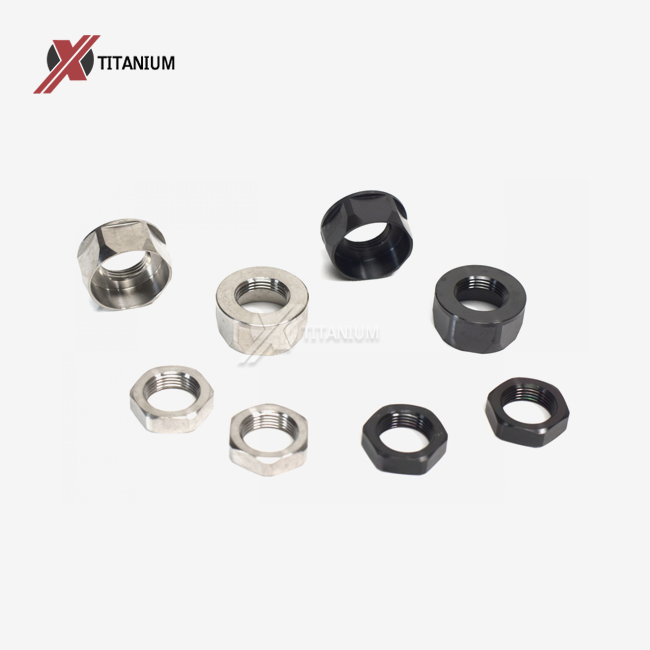
Understanding Titanium Jam Nuts and Their Key Properties
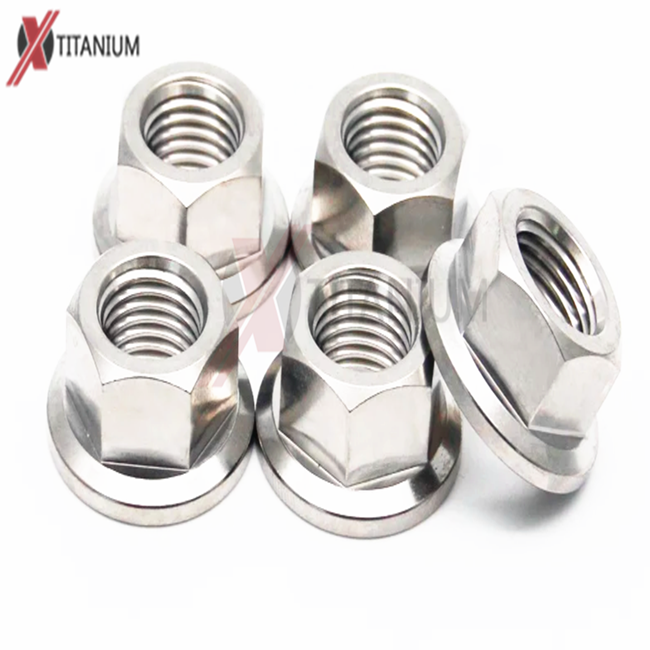
Titanium jam nuts are unique fasteners that are designed to offer secure locking mechanisms in situations when regular fastening methods don't work. Their small size makes them good lock nuts that don't come free when they are exposed to continual vibrations, temperature changes, and mechanical stress.
Material Composition and Grades
These precise fasteners are made from high-quality titanium alloys. For tough jobs, Grade 5 (Ti-6Al-4V) is the most common option. Titanium has natural qualities that make it more stronger, more resistant to corrosion, and lighter than other materials used to make fasteners. Grade 2 pure titanium is the best at resisting corrosion, but Grade 5 has Rockwell C30 hardness ratings, which means it is stronger mechanically.
Manufacturing Precision and Surface Treatments
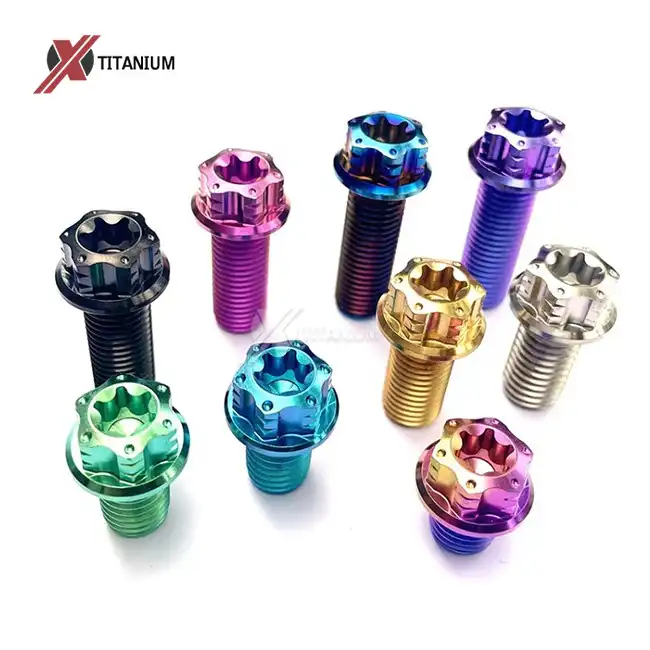
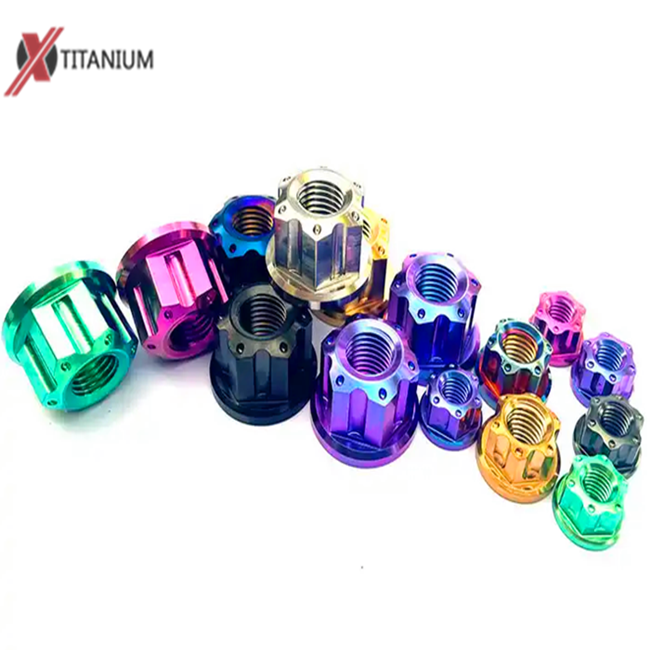
CNC machining makes sure that all titanium jam nut requirements have the same threading quality and dimensional correctness. You may polish the surface for a smooth finish, anodize it to prevent metal from rust better, or nitrid it to make it last longer. You may choose between a natural titanium look, gold, blue, green, purple, black, or rainbow finish. This makes it easy to see parts in complicated assemblies while keeping them working properly.
Comparing Titanium Jam Nuts with Other Material Options
The material you choose for jam nuts has a huge effect on how well they work in the short term and how much they cost in the long run. By comprehending these differences, procurement teams may make informed decisions that help both the technical and financial sides of the business.
Titanium versus Steel Performance
Compared to normal steel jam nuts, titanium ones offer a greater strength-to-weight ratio. This means that an assembly may be up to 40% lighter while still working as well or better. Steel fasteners are inexpensive at initially, but they need to be changed more often since they rust easily, particularly in places like chemical processing or the ocean.
Alternative Material Trade-offs
Stainless steel jam nuts don't rust, but they are hefty, which makes them less fuel efficient for use in airplanes. Aluminum options are lighter, but they aren't strong enough to handle a lot of force. Nylon fasteners are ideal for keeping electricity from flowing, but they can't stand high temperatures or strong chemicals. Brass alternatives perform well for certain electrical uses, but they could break under stress in other instances. These material limits demonstrate why engineers commonly utilize titanium jam nuts when they need to fulfill more than one performance criteria at the same time.
Practical Applications and Benefits of Titanium Jam Nuts
The versatility of titanium jam nuts spans multiple critical industries where performance, reliability, and durability directly impact operational success and safety outcomes.
Aerospace and Aviation Applications
For aircraft use, titanium jam nuts help cut down on weight while still maintaining the safety criteria set by aviation regulators. Their modest weight helps enhance fuel economy without hurting the structure. Titanium's thermal resilience helps engine assembly stay securely fastened even when the temperature changes a lot during flight operations.
Marine and Chemical Processing
Saltwater corrosion may quickly damage regular fasteners in marine conditions, which are quite different from other places. Titanium jam nuts are very resistant to saltwater, acids, and harsh chemicals. This means they last longer and need less maintenance. This corrosion resistance is what keeps offshore platforms, desalination equipment, and chemical processing vessels running smoothly in hostile conditions.
Medical and Biomedical Devices
These fasteners are good for medical implants and surgical tools that will come into touch with human tissue since titanium is biocompatible. Medical device makers use titanium's non-reactive characteristics and ability to make things very precisely to make life-saving devices that need to work dependably in the human body for decades.
Purchasing Titanium Jam Nuts – What Procurement Managers Should Know
To successfully source titanium jam nuts strategically, you need to know a lot about the suppliers' capabilities, quality processes, and technical standards.
Supplier Evaluation Criteria
It is the job of procurement managers to make sure that suppliers have the required certifications, such AS9100 for aerospace applications, ISO9001 for general quality management, and any medical certificates that are necessary for biomedical uses. Quality assurance tasks should include inspecting the measurements, tracing the materials, and testing the mechanical qualities to make sure that all batches of production perform the same manner.
Specification Requirements and Customization
It is standard to have DIN and ISO threading systems, and it is simple to locate sizes from M3 to M36. With custom manufacturing, you may adjust the parameters to meet the particular demands of your project, such the kind of thread (metric, UNC, or UNF). Depending on how many you need and how intricate they are, it normally takes 4 to 8 weeks to create custom titanium jam nuts. This implies that manufacturing has to be carefully planned out.
Technical Guidance on Using Titanium Jam Nuts
Proper installation and maintenance methods make the most of the performance benefits of titanium fastener technology and avoid typical mistakes that may weaken the integrity of an assembly.
Installation Best Practices
Following the appropriate torque standards keeps the threads from becoming damaged and makes sure that the fastening works properly. Because titanium has different mechanical characteristics than steel, it needs different torque values. These values are usually 15–20% lower than those for steel. Using lubricants or anti-seize compounds that work with each other eliminates galling during installation and yet lets you get the right preload values.
Maintenance and Inspection Protocols
Regular inspection schedules assist find signs of wear, corrosion, or loosening before they affect how well the system works. When doing visual inspections, you should pay attention to the quality of the surface, the integrity of the threads, and how well the parts fit together. During planned maintenance, checking the torque makes sure that the assembly will be securely fastened for its entire service life.
Chuanglian: Your Trusted Titanium Jam Nuts Manufacturer
Baoji Chuanglian New Metal Material Co., Ltd. is a top maker of precision titanium fasteners, including high-performance jam nuts made for important uses in the aerospace, marine, and industrial sectors. Our firm is based in Baoji City, which is known as the "City of Titanium." We have more than 10 years of expertise making and researching titanium products.
We have a wide range of production capabilities, including the ability to make bespoke titanium jam nuts to precise specifications utilizing cutting-edge CNC machining technology. We have stringent quality control procedures in place to make sure that every fastener fulfills international standards and that we can track the materials from the raw materials to the completed goods. Our factory has a lot of CNC machine tools and sophisticated processing equipment that can handle the high tolerances and complicated shapes needed for aerospace and medical applications.
The wide selection of products includes titanium jam nuts made of Grades 2 and 5 (Ti-6Al-4V) materials. These nuts may be completely finished with polishing, anodizing, or nitriding. Custom threading specifications work with metric, UNC, and UNF systems in sizes ranging from M3 to M36. If you need a bigger size, you may ask for it. Our quality control system makes sure that the mechanical qualities and dimensions are always the same, which fulfills the strict standards of B2B procurement teams all over the globe.
Conclusion
Engineers use titanium jam nuts because these unique fasteners provide performance advantages that no other fasteners can match, and they meet the most important needs of many industries. Titanium is the best material for tough fastening jobs since it is lightweight, resistant to corrosion, has a high strength-to-weight ratio, and is biocompatible. Even while the initial costs may be higher than those of traditional options, the longer service life, lower maintenance needs, and better system performance provide for very good lifetime value propositions. To get the best results when buying titanium, you need to work with skilled producers that know how to process titanium and meet the strict quality standards of current engineering applications.
FAQ
Q1: What makes titanium jam nuts superior to stainless steel alternatives?
A: Compared to stainless steel choices, titanium jam nuts are less likely to rust, weigh around 40% less, and have better strength-to-weight ratios. In severe conditions, such salinity, acids, and high temperatures, they work far better than stainless steel and make the total assembly lighter.
Q2: Can titanium jam nuts withstand high-temperature applications?
A: Titanium maintains its great mechanical qualities even at high temperatures, up to 400°C (752°F). This makes it a good choice for aeronautical engines, chemical processing equipment, and high-temperature industrial applications where regular fasteners would lose strength or corrode quickly.
Q3: What factors should procurement teams consider when ordering custom titanium jam nuts?
A: Some important things to think about are choosing the right material grade (Grade 2 for the best corrosion resistance or Grade 5 for more strength), the threading specifications, the required certifications, the minimum quantity, the lead times, which are usually between 4 and 8 weeks, and the supplier's quality management systems, which should include compliance with AS9100 or ISO9001.
Partner with Chuanglian for Premium Titanium Jam Nuts
Get precision-made titanium jam nuts from a reliable provider to make your engineering projects better. Chuanglian offers complete bespoke manufacturing solutions that are supported by strict quality control and compliance with international standards. Our skilled engineering staff offers technical advice to help you choose the best fasteners for your needs, making sure they work reliably and last a long time. We are located in China's titanium production center, and we can help you with your purchasing needs by combining modern CNC machining with low prices. Are you ready to see the Chuanglian benefit? Contact us at info@cltifastener.com or djy6580@aliyun.com for expert guidance, custom quotes, and technical specifications tailored to your titanium fastener needs.
References
1. Smith, J.R. "Advanced Titanium Fasteners in Aerospace Applications: Performance and Reliability Analysis." Journal of Aerospace Engineering, Vol. 34, No. 3, 2023.
2. Johnson, M.K., and Anderson, P.L. "Corrosion Resistance of Titanium Alloys in Marine Environments: A Comprehensive Study." Materials Science and Engineering Review, Vol. 28, Issue 4, 2022.
3. Chen, L.W. "Titanium Fastener Technology: Manufacturing Processes and Quality Control in High-Performance Applications." International Fastener Technology Conference Proceedings, 2023.
4. Williams, R.T. "Biocompatible Titanium Fasteners in Medical Device Applications: Clinical Performance and Safety Analysis." Biomedical Materials Research Quarterly, Vol. 15, No. 2, 2023.
5. Thompson, D.M., et al. "Weight Reduction Strategies Using Titanium Fasteners in Automotive and Aerospace Industries." Advanced Materials Engineering, Vol. 41, Issue 6, 2022.
6. Garcia, S.A. "Thermal Performance of Titanium Alloy Fasteners Under Extreme Temperature Conditions: Industrial Applications and Testing Methodologies." High-Temperature Materials Engineering, Vol. 19, No. 1, 2023.