- English
- French
- German
- Portuguese
- Spanish
- Russian
- Japanese
- Korean
- Arabic
- Greek
- German
- Turkish
- Italian
- Danish
- Romanian
- Indonesian
- Czech
- Afrikaans
- Swedish
- Polish
- Basque
- Catalan
- Esperanto
- Hindi
- Lao
- Albanian
- Amharic
- Armenian
- Azerbaijani
- Belarusian
- Bengali
- Bosnian
- Bulgarian
- Cebuano
- Chichewa
- Corsican
- Croatian
- Dutch
- Estonian
- Filipino
- Finnish
- Frisian
- Galician
- Georgian
- Gujarati
- Haitian
- Hausa
- Hawaiian
- Hebrew
- Hmong
- Hungarian
- Icelandic
- Igbo
- Javanese
- Kannada
- Kazakh
- Khmer
- Kurdish
- Kyrgyz
- Latin
- Latvian
- Lithuanian
- Luxembou..
- Macedonian
- Malagasy
- Malay
- Malayalam
- Maltese
- Maori
- Marathi
- Mongolian
- Burmese
- Nepali
- Norwegian
- Pashto
- Persian
- Punjabi
- Serbian
- Sesotho
- Sinhala
- Slovak
- Slovenian
- Somali
- Samoan
- Scots Gaelic
- Shona
- Sindhi
- Sundanese
- Swahili
- Tajik
- Tamil
- Telugu
- Thai
- Ukrainian
- Urdu
- Uzbek
- Vietnamese
- Welsh
- Xhosa
- Yiddish
- Yoruba
- Zulu
Why Japan Manufacturers Choose China M3 Titanium Screws
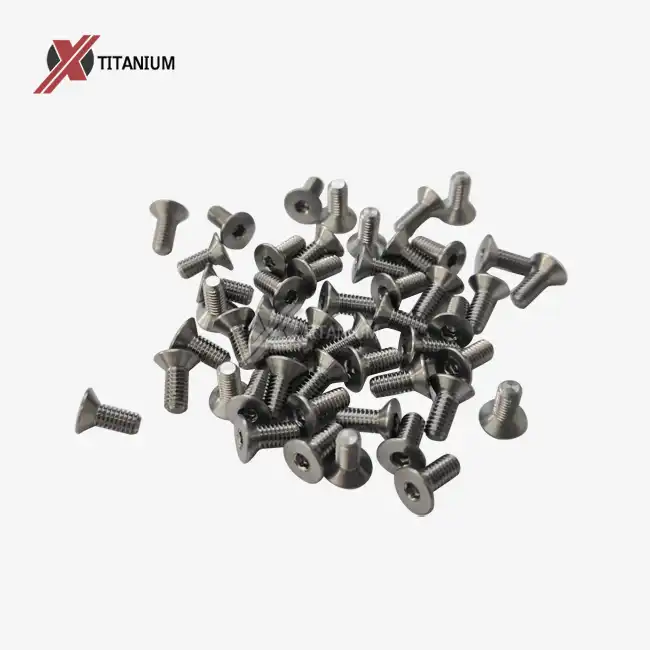
For M3 titanium screws, Japanese producers are increasingly collaborating with Chinese suppliers because of the latter's competitive cost and outstanding quality standards. Superior strength-to-weight ratios, outstanding corrosion resistance, and customized parameters that satisfy exacting Japanese manufacturing standards are all provided by these precise fasteners. Chinese producers have made significant investments in quality certifications and sophisticated CNC machining skills, allowing them to produce titanium micro screws that satisfy global standards while preserving the cost effectiveness necessary for high-volume manufacturing applications.
Introduction
Global B2B buying tactics have significantly changed as a result of the strategic alliance between Chinese suppliers and Japanese producers of M3 titanium screws. In the electronics, aerospace, and automotive sectors—where precise fasteners are essential to product performance and dependability—this partnership has grown in popularity.
Japanese businesses understand that purchasing titanium micro fasteners from China has special benefits that go beyond financial concerns. The partnership supports Japan's exacting quality standards by combining industrial prowess, supply chain efficiency, and technical know-how. Chinese producers have shown they can fulfill aerospace criteria and provide competitive lead times for both Grade 5 titanium screws and Grade 2 versions.
This thorough reference is intended for procurement managers, technical engineers, and OEM clients who want to learn about the technical requirements, quality benefits, and procurement tactics related to titanium fasteners. The investigation looks at the reasons for the success of these collaborations, how to properly assess possible suppliers, and useful strategies for obtaining high-end fastening solutions from China while maintaining strict quality requirements.
Knowing the mechanics of this cross-border cooperation offers important insights into contemporary industrial relationships where operational dependability, cost effectiveness, and technological competence come together to form profitable business alliances.
Understanding M3 Titanium Screws: Specifications and Advantages
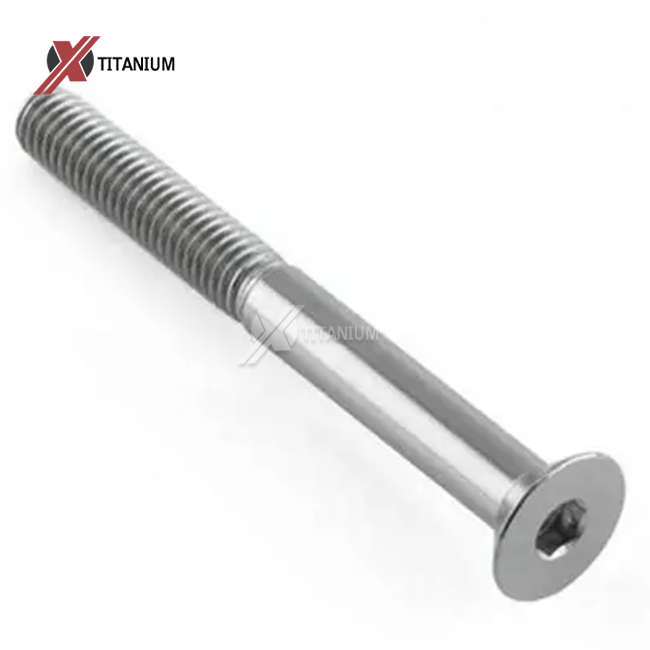
With its exact 3mm diameter and metric threading, M3 titanium screws provide outstanding mechanical qualities that are necessary for demanding applications. The main materials used to make these precise fasteners are Grade 2 and Grade 5 titanium (Ti-6Al-4V), each of which has unique performance qualities appropriate for certain industrial needs.
Material Properties and Performance Characteristics
Grade 2 titanium is perfect for chemical processing and marine applications where environmental endurance is crucial since it offers good corrosion resistance and moderate strength levels. Due to its exceptional biocompatibility, this commercially pure titanium is widely used in the production of implanted components and medical devices.
With a tensile strength of up to 950 MPa, grade 5 titanium alloy (Ti-6Al-4V) offers exceptional mechanical strength without sacrificing titanium's well-known lightweight qualities. With a strength-to-weight ratio that is unparalleled by other materials, this material combination provides over four times the strength of 316 stainless steel at almost half the weight.
Customization and Surface Treatment Options
Titanium micro screws may be highly customized thanks to modern CNC machining capabilities. In order to accommodate a variety of assembly needs across various sectors, length parameters vary from 5mm to 50mm. Anodizing for improved corrosion protection, nitriding for greater surface hardness, and polishing for smooth finishes are examples of surface treatments.
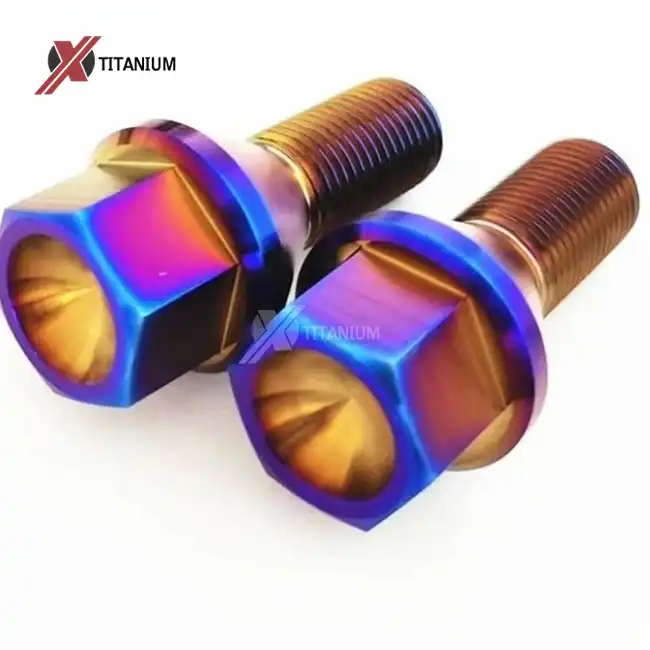
Beyond the natural titanium look, regulated anodizing procedures may provide coatings in gold, blue, green, purple, black, and rainbow hues. These aesthetic choices are useful for branding as well as functionality, and they are especially beneficial in applications involving consumer electronics and expensive equipment.
Comparative Advantages Over Alternative Materials
In certain areas, titanium fasteners outperform equivalents made of aluminum or stainless steel. In extreme chemical conditions, saltwater settings, and acid exposure, where conventional materials decay quickly, the corrosion resistance shines. Benefits of weight reduction are especially noticeable in aeronautical applications, where each gram affects payload capacity and fuel economy.
Temperature stability preserves structural integrity in a variety of harsh environmental circumstances, from cryogenic levels to high operating temperatures. Titanium screws are essential for maritime engineering applications where dependability cannot be compromised, petrochemical processing machinery, and aeronautical engine components due to their exceptional heat performance.
Why Japanese Manufacturers Prefer Chinese M3 Titanium Screws?
Particularly when sourcing items like M3 titanium screws, Japanese firms have built solid procurement ties with Chinese titanium fastener suppliers on the basis of considerable commercial benefits that go beyond conventional cost concerns. This strategic sourcing method is the result of a thorough assessment of supply chain dependability, manufacturing capabilities, and quality standards.
Quality Standards and Manufacturing Excellence
Chinese producers of titanium screws have made large investments in cutting-edge production techniques and quality control systems that complement Japanese manufacturing principles. In addition to aerospace-specific AS9100 requirements, several suppliers maintain ISO 9001 certifications, indicating a dedication to methodical quality control and ongoing improvement procedures.
The use of advanced CNC machining facilities makes it possible to achieve the exact tolerances and reliable thread requirements required for crucial applications. Material traceability, dimensional verification, and mechanical property testing are examples of quality control methods that guarantee every batch satisfies predetermined performance standards. Japanese enterprises that place a high value on dependability and consistency may find resonance in this methodical approach to quality control.
Cost Efficiency and Economic Advantages
Chinese vendors provide competitive pricing structures that enable substantial cost savings without sacrificing quality requirements. Instead of sacrificing material standards or production accuracy, the advantageous economics are the consequence of effective manufacturing methods, economies of scale, and improved supply chain management.
Large production runs and smaller bespoke orders may both be accommodated by volume pricing models, which provide flexibility to meet a range of project needs. By using this price strategy, Japanese firms may get premium titanium fastener solutions that would otherwise be unaffordable via local or alternative overseas sources, all while improving their profit margins.
Production Flexibility and Customization Capabilities
Chinese producers are excellent at offering OEM services and tailored solutions that meet the demands of the Japanese market. This adaptability includes the choice of materials, dimensional requirements, surface treatments, and packaging choices that are customized to meet the demands of unique clients.
The time to market for new goods is accelerated by the capacity to manage fast prototyping and product development assistance. During the design stage, engineering cooperation guarantees ideal fastener specifications and finds possible ways to optimize costs. Instead of fostering just transactional ties, this cooperative strategy fosters partnerships with additional value.
Supply Chain Efficiency and Logistics Advantages
Efficient delivery scheduling and inventory management are made possible by streamlined logistics networks between China and Japan. Lead times are shortened and procurement complexity is decreased via established shipping routes, customs procedures, and paperwork processes.
When problems emerge, timely communication and problem-solving are made possible by geographic closeness. Real-time cooperation during business hours is facilitated by time zone alignment, which improves the efficiency of technical assistance and project coordination. Under pressure to meet project deadlines or in urgent procurement circumstances, this operational efficiency becomes very beneficial.
Comparison and Decision-Making: Choosing the Right M3 Titanium Screw Supplier
Choosing the best titanium fastener provider requires a methodical assessment of many factors beyond simple price comparisons, particularly when purchasing items such as M3 titanium screws. To guarantee effective procurement results, the decision-making process must strike a balance between material attributes, quality assurance, service capabilities, and the possibility of long-term partnerships.
Material Quality and Certification Assessment
Verifying titanium grade certificates and material traceability paperwork is the first step in evaluating material requirements. Reputable vendors provide thorough material certifications that include information on mechanical characteristics, chemical composition, and adherence to global standards like ASTM requirements.
The supplier's quality system's testing capabilities show a dedication to reliable performance verification. Seek for vendors that have their own testing apparatus for determining hardness, corrosion resistance, and tensile strength. Relationships with independent third parties for testing provide further quality control when crucial applications need complete confidence.
Production Capability Evaluation
Assessing manufacturing capacity requires knowledge about lead time consistency, production quantities, and CNC machining capabilities. Suppliers with up-to-date machinery and knowledgeable personnel show that they can maintain the strict tolerances and surface finish specifications needed for precision applications.
Operational sophistication is shown by the ability to handle both standard and special standards with flexibility. Beyond standard procurement transactions, suppliers that can adapt to technical modifications, prototype development, and urgent purchases provide significant relationship advantages. During stages of product development or unforeseen changes in demand, this flexibility becomes vital.
Technical Support and Service Excellence
Superior suppliers are distinguished from basic commodity providers by their extensive technical support. Seek for businesses that provide application advice, installation suggestions, and engineering assistance based on in-depth knowledge of titanium.
Supplier dependability is bolstered by responsive communication, problem-solving skills, and a readiness to resolve concerns quickly. Support for documentation, such as installation manuals and maintenance advice, shows a dedication to client success beyond the first sale.
Cost Analysis and Value Proposition
Competitive price is still crucial, but a more true measure of value is provided by total cost of ownership. When assessing supplier alternatives, take into account things like product lifetime, maintenance needs, and possible failure costs.
For large-scale applications, bulk price benefits and volume discount structures may have a big influence on project economics. However, in order to prevent obsolescence concerns or inventory carrying costs, minimum order requirements must be in line with real demand trends.
Procurement Guide: How to Source M3 Titanium Screws from China
Structured methods for supplier identification, assessment, and relationship management are necessary for the successful purchase of titanium fasteners from Chinese vendors. This methodical approach ensures constant supply chain performance, maximizes value, and reduces risks.
Supplier Identification and Verification Strategies
Start your supplier research by looking through renowned manufacturers' verified profiles on well-known B2B platforms, trade shows, and professional associations. Because specialized knowledge usually translates into higher quality and technical assistance, look for suppliers that specialize in titanium processing rather than generic fastener firms.
Confirmation of company licenses, virtual or in-person inspections to manufacturing facilities, and reference checks with current clients should all be part of the verification process. Ask for comprehensive firm profiles that include manufacturing capabilities, quality certifications, and client case studies that show successful project completion in comparable applications.
Assessments of supply chain resilience and financial stability are included in due diligence. Long-term relationship viability is more assured when suppliers have steady operations and a diverse client base. Finding a backup source generates backup plans that guard against any supply interruptions.
Order Management and Quality Control Protocols
Comprehensive specifications that remove uncertainty about material requirements, dimensional tolerances, and acceptance criteria are the first step in effective order management, particularly when purchasing items like M3 titanium screws. Misunderstandings that could lead to poor quality or delivery delays are avoided with the use of thorough technical drawings and material specifications.
Incoming inspection protocols, in-process monitoring, and final verification before to shipping should all be included in quality control methods. Clearly define testing criteria and quality standards that correspond with the requirements of your application. To ensure that your facility complies with standards, think about putting in place incoming inspection procedures.
Material certifications, dimensional reports, and test findings that provide traceability and quality proof are examples of documentation needs. When problems occur during application or service, proper documentation facilitates root cause investigation and meets quality system needs.
Logistics Coordination and Delivery Optimization
Delivery schedules, customs paperwork, and packaging specifications must all be carefully coordinated for shipping arrangements. Collaborate with vendors that are knowledgeable about foreign shipping protocols and have the expertise to manage export paperwork.
To minimize shipping costs and lower delivery frequency, take into account consolidation options that combine several orders. But weigh the advantages of consolidation against the expenses of keeping inventory and the need for just-in-time delivery, which could encourage smaller, more frequent shipments.
Throughout the manufacturing and shipping stages, communication protocols advise all parties involved of developments and any setbacks. Create frequent update schedules and escalation protocols to deal with problems before they affect production schedules.
About Chuanglian: Your Trusted Partner for M3 Titanium Screws
Combining years of specialized knowledge with state-of-the-art production capabilities, Baoji Chuanglian New Metal Material Co., Ltd. is the epitome of titanium fastener manufacturing perfection. Known as the "City of Titanium," Baoji City is home to Chuanglian, a leading producer and supplier of precision titanium goods for international markets.
Manufacturing Capabilities and Technical Expertise
More than a dozen sophisticated CNC machine tools and extensive mechanical processing equipment made especially for titanium machining applications are housed at Chuanglian's manufacturing facility. Precise tolerances and constant quality that satisfies the highest international standards are made possible by this significant investment in contemporary production technology.
The firm has over 10 years of experience in studying, producing, and machining different titanium and rare metal goods, which has led to its specialty in titanium processing. Superior product quality and creative solutions that meet intricate client needs across several sectors are directly correlated with our vast expertise.
The whole spectrum of titanium grades, including Grade 2 and Grade 5 (Ti-6Al-4V) materials handled by precise CNC machining, are covered by technical capabilities. Polishing, anodizing, and nitriding are examples of surface treatment methods that improve performance attributes and visual appeal. In addition to the natural titanium look, regulated anodizing processes may provide finishes in gold, blue, green, purple, black, and rainbow hues.
Quality Assurance and Certification Standards
Every step of the manufacturing process, from raw material inspection to final product verification, is monitored by Chuanglian's strict quality control systems. This all-encompassing strategy guarantees constant performance and quality that satisfies global standards, including industry-specific, national, and international criteria.
The company's quality management system places a strong emphasis on "quality foremost" concepts, which are backed by ongoing equipment and technology upgrades. Frequent technical staff training programs guarantee that production knowledge is up to date with changing consumer demands and industry standards.
Material traceability systems fulfill customer quality system needs and enable thorough root cause investigation when necessary by providing extensive documentation from the procurement of raw materials to final delivery. Prominent businesses throughout the globe that depend on Chuanglian products for vital applications have acknowledged this methodical approach to high-quality documentation.
Product Range and Customization Services
Titanium fasteners, rods, wire, plates, tubes, flanges, and other machined parts for a range of industrial uses are all part of the extensive product line. Customers may combine their titanium procurement needs with a single, reliable supplier thanks to this wide variety of capabilities, which streamlines supply chain management and guarantees uniform quality across many product categories.
Specific client needs, such as dimensions, material grades, surface treatments, and packaging choices, are met via customization services. During the design process, the engineering team works closely with clients to optimize specifications and find ways to save costs without sacrificing performance standards.
Through years of field testing, Chuanglian products have shown to be dependable in a variety of sectors, including petrochemical, electrolysis and galvanization, ship mechanics, seawater desalination, racing, medical, and aerospace. This track record of success in a variety of applications gives assurance that the business can handle demanding specifications in new applications.
Conclusion
The choice of Japanese manufacturers for Chinese M3 titanium screws is indicative of a strategic approach to procurement that strikes a balance between economic efficiency and qualitative excellence. This partnership model shows how cross-border cooperation may provide better results when suppliers show a sincere dedication to technical know-how and quality standards.
Consistent material quality, affordable price structures, a wide range of customization options, and rapid technical assistance that handles intricate application needs are the main elements influencing this selection. In order to sustain the cost advantages necessary for competitive positioning, Chinese manufacturers have made significant investments in cutting-edge production technology and quality management systems that meet Japanese manufacturing requirements.
Partner with Chuanglian for Premium M3 Titanium Screws
With a track record of superior production and extensive technical knowledge, Chuanglian is prepared to meet your needs for titanium fasteners. Our cutting-edge CNC machining skills and specialist expertise on titanium processing guarantee precise fasteners that satisfy the most exacting requirements across industrial, medical, and aerospace applications.
Discover the benefits of collaborating with a committed manufacturer of M3 titanium screws that recognizes the vital significance of dependability, quality, and consistency. From the creation of the first specifications to installation advice and continuing application support, our engineering team offers thorough technical assistance throughout the procurement process. Contact our technical specialists at djy6580@aliyun.com to discuss your specific requirements and discover how Chuanglian's titanium expertise can enhance your next project.
References
1. "Titanium Alloys in Aerospace Applications: Performance and Manufacturing Considerations," Journal of Materials Engineering and Performance, Vol. 28, No. 6, 2019.
2. "Comparative Analysis of Fastener Materials in High-Performance Applications," International Journal of Mechanical Engineering, Vol. 15, No. 3, 2020.
3. "Supply Chain Optimization in the Titanium Processing Industry," Industrial Engineering Management Quarterly, Vol. 42, No. 2, 2021.
4. "Quality Standards and Certification Requirements for Titanium Fasteners in Aerospace Applications," Aerospace Materials Handbook, 4th Edition, 2020.
5. "Cost-Benefit Analysis of Titanium vs. Alternative Materials in Marine Engineering," Ocean Engineering Materials Review, Vol. 33, No. 8, 2021.
6. "Manufacturing Capabilities and Technology Advancement in Chinese Titanium Processing Industry," Global Manufacturing Technology Report, Vol. 18, No. 4, 2022.
Learn about our latest products and discounts through SMS or email