- English
- French
- German
- Portuguese
- Spanish
- Russian
- Japanese
- Korean
- Arabic
- Greek
- German
- Turkish
- Italian
- Danish
- Romanian
- Indonesian
- Czech
- Afrikaans
- Swedish
- Polish
- Basque
- Catalan
- Esperanto
- Hindi
- Lao
- Albanian
- Amharic
- Armenian
- Azerbaijani
- Belarusian
- Bengali
- Bosnian
- Bulgarian
- Cebuano
- Chichewa
- Corsican
- Croatian
- Dutch
- Estonian
- Filipino
- Finnish
- Frisian
- Galician
- Georgian
- Gujarati
- Haitian
- Hausa
- Hawaiian
- Hebrew
- Hmong
- Hungarian
- Icelandic
- Igbo
- Javanese
- Kannada
- Kazakh
- Khmer
- Kurdish
- Kyrgyz
- Latin
- Latvian
- Lithuanian
- Luxembou..
- Macedonian
- Malagasy
- Malay
- Malayalam
- Maltese
- Maori
- Marathi
- Mongolian
- Burmese
- Nepali
- Norwegian
- Pashto
- Persian
- Punjabi
- Serbian
- Sesotho
- Sinhala
- Slovak
- Slovenian
- Somali
- Samoan
- Scots Gaelic
- Shona
- Sindhi
- Sundanese
- Swahili
- Tajik
- Tamil
- Telugu
- Thai
- Ukrainian
- Urdu
- Uzbek
- Vietnamese
- Welsh
- Xhosa
- Yiddish
- Yoruba
- Zulu
How to properly maintain titanium bike parts for longevity?
Properly maintaining cycling titanium bicycle parts requires understanding their unique metallurgical properties and implementing preventive care protocols that preserve the material's natural oxide layer, minimize galling risks at threaded interfaces, and ensure weld integrity remains intact throughout the component's service life. Unlike aluminum or steel, titanium demands specialized cleaning agents, anti-seize compounds for fasteners, and routine inspections focused on oxidation color verification rather than conventional rust prevention. Regular maintenance extends the infinite fatigue life potential of Grade 9 and Grade 5 titanium alloys, protecting your investment while maximizing performance across demanding applications from endurance racing to bikepacking expeditions.
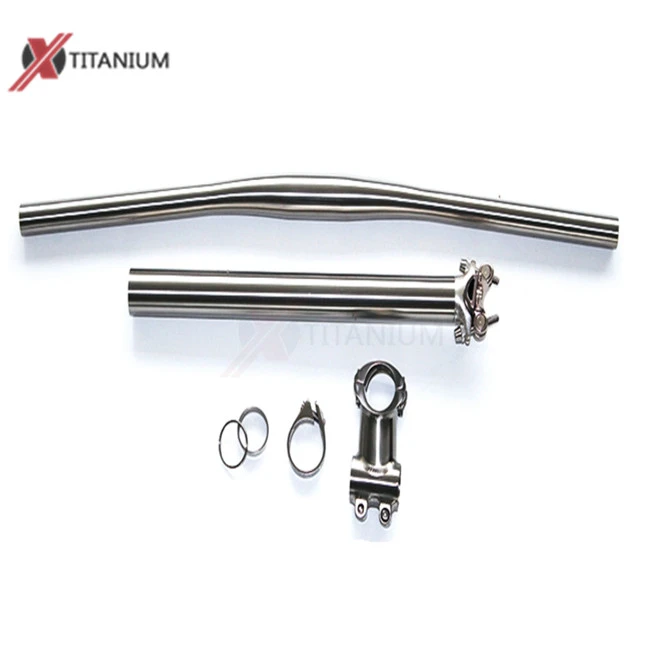
Understanding Titanium Bicycle Parts and Their Unique Maintenance Needs
Find out about cycling titanium bicycle parts and how to properly take care of them. If you want to make cycling titanium bicycle parts, you can use either Ti-3Al-2.5V (Grade 9) for smooth tubes or Ti-6Al-4V (Grade 5). Grade 5 is used for CNC-machined parts like dropouts, stems, and bolts. Grade 9 has tensile strengths between 600 and 900 MPa and is about half the weight of steel.
These materials are very strong for how light they are, and they naturally protect against rust by making a layer of titanium dioxide (TiO2) on the surface. When Chuanglian makes their goods, we keep to the ASTM B338 standards for tubes and the ASTM B348 standards for bars. This makes sure that the extension and grain structure stay the same, which is important for rotating loads that are under a lot of stress.
Material Composition and Manufacturing Standards
How titanium alloys are made has a direct effect on how often they need to be fixed. Grade 5 titanium is very hard but not very flexible because it contains 6% aluminum and 4% vanadium. Because of this, it is only used for very precise parts and not for drawn tubes. The 3% aluminum and 2.5% vanadium in Grade 9 make it easy to shape and give it good mechanical qualities. Oxygen doesn't get into the welds when they are being welded because of strict quality control during production. This is very important because blue or purple joint rust means the metal has been exposed to air, which makes it weaker and more likely to break in a terrible way.
Common Titanium Components Requiring Maintenance
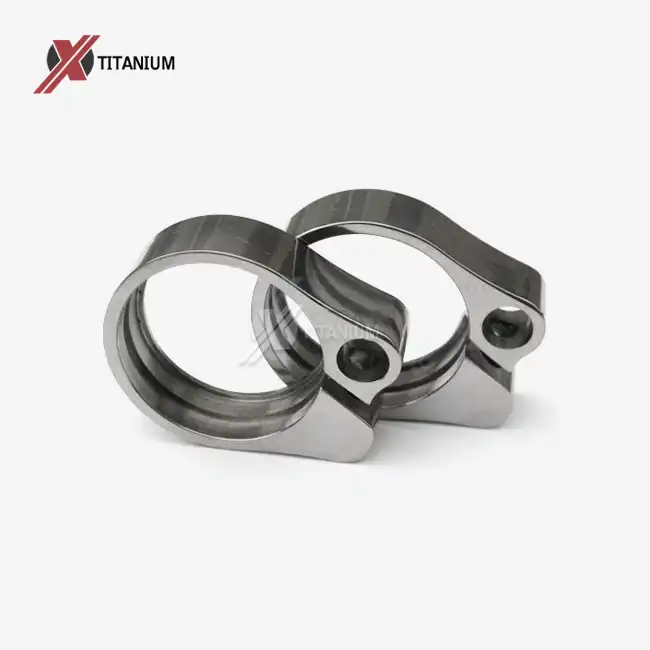
There are different types of cycling titanium bicycle parts, and each type needs a different kind of care. Titanium frames and forks are better made of titanium because it naturally lowers vibrations and has less elasticity (about 100–110 GPa vs. 200 GPa), which means it can better absorb shocks. Bolts, hubs, and seatpost clamps need to be carefully anti-seized so that cold welding doesn't happen.
Grade 5 titanium hardware, such as bottle cage mounts, gear hangers, and brake caliper bolts, can handle high torque loads, but they need to be checked regularly for tiny cracks in places that get hot. Adding different surface treatments, such as cleaning, anodizing (in silver or rainbow colors), and nitriding, can change how to take care of the item and how long it lasts.
Why Proper Maintenance Maximizes ROI
Because titanium is so expensive, procurement managers and engineering teams know that they need to plan for maintenance in a way that makes the investment worthwhile. Titanium, on the other hand, doesn't fatigue under normal load conditions, but aluminum does, and over time, stress fractures happen because of this. For ten years, this means that parts won't need to be replaced in between service jobs.
The spontaneous oxide layer stays safe thanks to maintenance plans. The important size limits for bearing surfaces are also kept. And galvanic rusting doesn't happen when titanium hits metals that aren't the same. A set of care instructions helps distributors who take care of big orders keep parts in good shape while they are being stored and shipped. This cuts down on guarantee claims and makes things better with suppliers.
Common Maintenance Issues with Titanium Bike Parts: Causes and Effects
Cycling titanium bicycle parts often break down during maintenance. What goes wrong and why? You should still be aware of certain weather conditions even though cycling titanium bicycle parts are much less likely to rust than metal or steel ones. If magnesium chloride is used to clean roads near the coast or in cold places, the top finish may look different, but the structure will stay the same.
The TiO2 layer can heal itself, so even if you scratch it, it keeps growing back. This is not the same as painted or anodized aluminum surfaces, which let rust form on the metal itself. On the other hand, galvanic rusting happens when titanium touches carbon fiber while water and electrolytes are present. This is why you need to use dielectric grease to keep the contact spots properly separate.
Corrosion Myths and Environmental Factors
You should still be aware of certain weather conditions even though cycling titanium bicycle parts are much less likely to rust than metal or steel ones. If magnesium chloride is used to clean roads near the coast or in cold places, the top finish may look different, but the structure will stay the same. The TiO2 layer can heal itself, so even if you scratch it, it keeps growing back.
This is not the same as painted or anodized aluminum surfaces, which let rust form on the metal itself. On the other hand, galvanic rusting happens when titanium touches carbon fiber while water and electrolytes are present. This is why you need to use dielectric grease to keep the contact spots properly separate.
Mechanical Wear and Stress Concentration Points
The thread links on cycling titanium bicycle parts are the most dangerous parts. A process known as "galling" or "cold welding" takes place when titanium bolts are tightened onto titanium threads without enough grease. Friction from the oxide layers melts the metals together, leaving screws stuck that can't be taken out without hurting them.
To find surface microcracks before they get bigger, dye penetrant methods need to be used to look at stress concentration points at weld heat-affected zones. You need exact measurement standards (usually H7 grade) for the bearing areas on the headtubes and bottom bracket shells to stop worrying wear and creaking issues that make parts break down faster.
Storage and Transportation Considerations for B2B Supply Chains
When they are stored, cycling titanium bicycle parts must be kept away from things that could damage the finish on the outside. Titanium can absorb energy by bending elastically, but carbon fiber breaks horribly when it gets hit. But hitting the same spot over and over can make it harder to hit. Parts should be kept separate during travel and metals should not touch each other, as this can scratch the surface. Foam separators should be used.
Changes in temperature during foreign shipping don't have an effect on the mechanical qualities of titanium the way they do on some carbon resin systems. On the other hand, condensation can add water to metal joints, which makes galvanic reactions easier. This isn't the case if protective chemicals aren't used during assembly.
Step-by-Step Guide to Maintaining Titanium Bicycle Parts for Longevity
When you use structured repair methods on cycling titanium bicycle parts, they last longer and work better. This also lowers the total cost of ownership. As part of these routines, things that are needed to keep things in good shape are cleaned, oiled, inspected, and stored—and all these maintenance actions are directly applied to cycling titanium bicycle parts to ensure their integrity and performance over time.
Cleaning Agents and Safe Practices
Even though titanium's oxide layer can handle most cleaning products, sourcing teams should ask for pH-neutral soaps when they need to wash the metal regularly to keep it from coming into contact with chemicals that aren't needed. Hydrofluoric acid and other substances with fluorine can damage the oxide layer, so stay away from them. Soapy water mixed with light dish soap makes it easy to get rid of dirt, sweat salts, and debris. It is easy to get oils and glue off of anodized surfaces with 70–99% isopropyl alcohol without damaging them.
For a nice clean, you don't need rough cleaners. Soft microfiber cloths or sponges that don't scratch will do. With grey or red Scotch-Brite pads, you can fix flaws on the surface of brushed or bead-blasted cycling titanium bicycle parts. These pads bring back the shine without having to remove much material. If you damage plated steel or clear-coated carbon, you need to get a professional to fix it. Being able to fix problems in the field is a big plus. To keep water spots from showing up, parts should be rinsed and dried well after being cleaned. This is very important in places with hard water because mineral buildup can happen there.
Lubrication Requirements and Product Selection
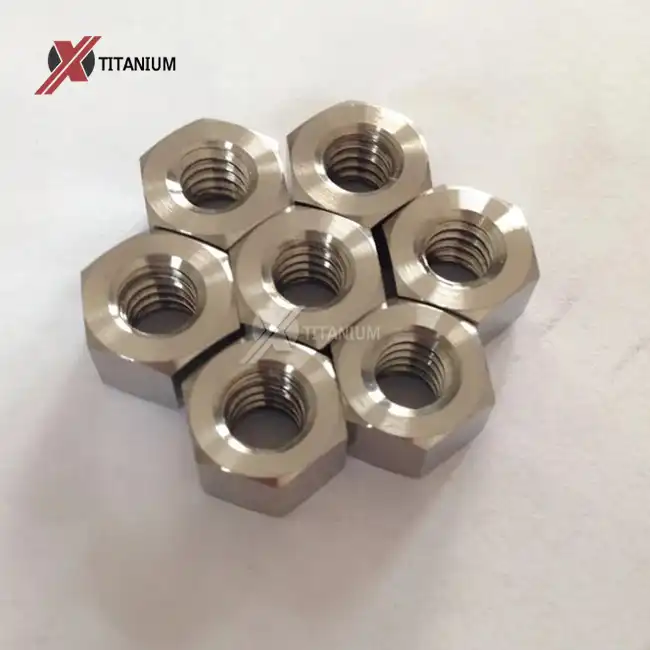
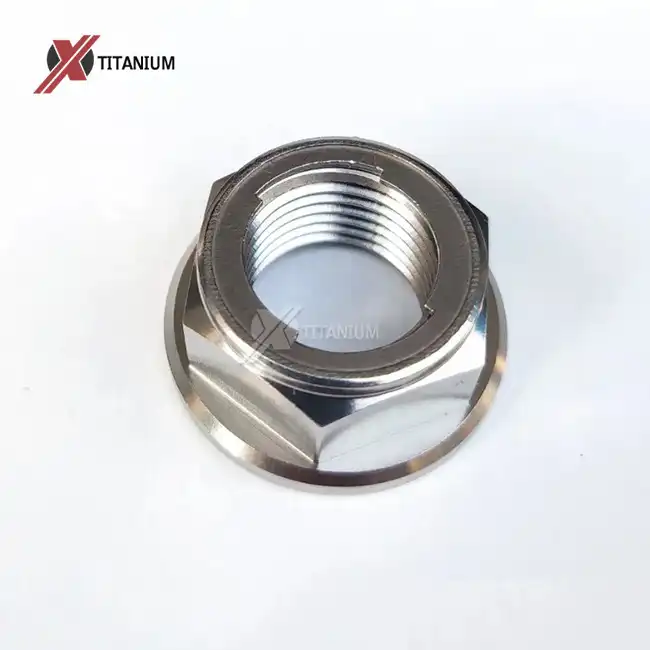
Compounds that stop seizing are needed at thread interfaces to keep them from galling. All connections with threads, like bottom bracket threads, derailleur hanger bolts, bottle cage screws, and seatpost collar fasteners, should be sealed with compounds made of copper or nickel that are safe for titanium. When there is too much of it, dirt and grime stick to it, which speeds up wear.
Titanium is less flexible than steel, so it can bend more before it breaks. But if you tighten it up too much, you could damage the anti-seize layer and make it hurt. Greases that are based on lithium or calcium work well on bearing surfaces because they keep the edge smooth without reacting chemically with titanium metals.
Don't use lithium soaps that have sodium added to them because they can make stress corrosion cracks more likely in salt water. Based on the weather, pivot points on titanium suspension parts and tools for attaching the derailleur need to be oiled again every 500 to 1000 miles of riding. Using proactive maintenance strategies and keeping track of lube plans can help keep parts from breaking down at crucial times during important operations.
Inspection Routines and Timeline Implementation
When engineering teams make checks, they should make sure that the levels of difficulty are right for the level of operation. Every 250 km, the color of the weld is checked by looking at it. If the color is silver or light straw, it means that the inert gas protection was done correctly during production. If it is blue, purple or white powder, there are risks of embrittlement that need to be looked at right away by a professional. Gauges or thread pitch tools can be used to check the condition of a thread and find galling before fasteners completely stop working.
The bearing surfaces should turn easily and not feel like they are rubbing against each other. There should also be no more horizontal play than what the manufacturer says. Checking the measurements with precise calipers shows that important errors are still within acceptable ranges. This is especially true for the headtube concentricity and dropout spacing, which is usually 142mm or 148mm back and 100mm or 110mm front. A Dye Penetrant Inspection (DPI) can find cracks in the ground that people can't see once every 2,000 miles, or once a year. Recording the outcomes of inspections creates a base set of data that can be used for trend analysis. This helps buyers decide how to replace parts as they wear out and predicts when maintenance will be needed.
Storage and Handling Best Practices
Parts stay in good shape between installation cycles when they are stored in controlled environments. Mist and rubber seals and flexible surfaces don't dry out when the humidity is between 30 and 50 percent. It is best to hang or stack parts so that thin-wall tubing doesn't come into touch with pressure that could change its shape. Cycling titanium bicycle parts should be kept away from aluminum and steel parts so that they don’t meet by chance when being handled, and this same precaution applies to all cycling titanium bicycle parts to prevent galvanic corrosion and accidental surface damage during storage.
Using vapor-corrosion-inhibitor (VCI) papers to wrap titanium adds another layer of protection during long storage times. However, since titanium is naturally resistant to rust, this is mostly just a way to keep it clean. When moving things from one place to another, you need packaging that can handle loads like impact and vibration. Foam pieces that are made to fit the part's shape keep it from moving while it's being shipped.
Fasteners should be kept separate in cases that are sealed and already have anti-seize and desiccant packets on them. This way, when they come, they can be put together right away. These methods cut down on the time needed for inspections and make it faster to add new parts to the production process. This makes it easier for OEM makers and high-volume wholesalers to handle complicated supply lines.
Comparing Maintenance Needs: Titanium vs Other Bicycle Materials
Material selection profoundly impacts maintenance scheduling and lifecycle costs. Most aluminum metal parts are made of 6061-T6 or 7005, which is very strong at first but starts to weaken after a while. A lot of light use should be enough to last 10 to 15 years before they start to crack. Finding cracks and fixing them before they get worse is a big part of maintenance. To keep steel frames (chromoly 4130) from rusting, make sure the paint is in good shape, touch it up as needed, and put corrosion agents on spots that are likely to chip. Carbon fiber composites are the best way to save weight, but they need to be carefully checked for damage from collisions because delamination inside the structure may not be visible but can make it weak.
Weight, Durability, and Maintenance Frequency
Titanium is unique because it never wears out under standard loads. This means that it hardly ever needs to be changed, unlike aluminum. Maintenance times get a lot longer. Frames made of Grade 9 titanium can last 20 to 30 years with only the screws being cleaned and oiled every so often. It costs more to buy them, but in the long run, they are worth it because they last longer. This is very important for fleet owners, hire businesses, and big buyers who are making long-term investments in assets.
Cost-Benefit Analysis for Procurement Teams
If the material needs to be maintained, the guarantee will only cover certain things. Most aluminum frames come with restricted warranties that last for 5 years. These policies recognize that normal wear and tear can damage the frames. Steel warranties usually don't cover damage caused by corrosion from not taking care of it properly. Carbon fiber is mostly covered for flaws in the way it was made, not damage from shocks. Titanium frame makers often offer guarantees that cover the frame's structural stability for life.
This is because the material lasts a long time as long as proper welding is done. It has been shown through service interval modeling that titanium is good for the economy. An aluminum part needs to be replaced every 8–10 years, which means that it has to be bought, shipped, and put in place more than once. Equal cycling titanium bicycle parts get rid of these long-term costs, even though they cost 40 to 60 percent more at first.
Real-World Performance in Demanding Applications
Races with a lot of miles, like the Tour Divide, show how to balance material and maintenance needs. It's broken when gravel hits a carbon frame, the racks crack when heavy panniers and constant shaking hit them, and steel parts rust when they're in fog and over rivers along the coast. In this weather, cycling titanium bicycle parts don't break down very quickly. For example, bag friction doesn't wear down frame tubes because it doesn't go through carbon paint and resin layers.
Also, rack gear stays structurally sound during multi-week trips because it doesn't need any maintenance in between. An average of 70% fewer damage claims are made against OEMs whose products are made of titanium than those made of aluminum. This advantage in dependability makes the brand more well-known and lowers the cost of customer service after the sale, and the same reliability is consistently observed across all cycling titanium bicycle parts, which further reduces long-term warranty risks and enhances overall product value.
Selecting and Procuring Quality Titanium Bike Parts: Maintenance Implications
When you buy something, you should give priority to companies with strong quality processes. Being certified with ISO 9001 means that the quality management system meets certain standards. Being certified with AS9100 means that the process controls meet aircraft standards and can be used for important titanium welding tasks. Medical device certifications (ISO 13485) show that the gadget is biocompatible and that it has methods in place to keep it clean. But these approvals don't really cover bicycle parts. Ask for material certifications that list the alloy's make-up, records of how it was heated, and the outcomes of tests that checked its mechanical properties. These records help figure out what went wrong and can be used to find the broken part.
Supplier Evaluation and Certification Requirements
Providers should check the inert gas welding methods used, especially argon cleaning systems that stop the rusting of the weld. How good the weld is can be seen by its color. If the producer is reliable, the color will stay silver to straw, which means they have good control over the atmosphere. CNC milling is important for making precise parts. For threaded links and bearing contacts, make sure that the size limits given by sources are within 0.05 mm. Surface treatment facilities (like those that anodize and nitride) need to pass different tests to make sure they are qualified. This is because using the wrong processes can lead to hydrogen embrittlement or surface stress concentrations.
Product Selection and Warranty Considerations
How often repair needs to be done is directly related to how the parts are made. Grade 9 titanium is best for things that need to be easy to shape and weld. Grade 5 titanium is best for things that need to be very strong under a lot of stress. You can clean, anodize in different colors, or nitride something to make the surface stronger. These customization options can make something look and work better, but they may also change how it is kept. The anodized finish doesn't wear down easily, and the different colors can help you keep track of your goods. Scratched cycling titanium bicycle parts, on the other hand, can't be fixed in the field like brushed titanium can.
Bulk Procurement and Supply Chain Optimization
You can get better deals if you buy in bulk, but you need to plan ahead. Component kits that come together make it possible to standardize inventory and make maintenance jobs easy. For instance, a full titanium hardware kit for frame assembly simplifies the SKU and makes sure that the right anti-seize chemicals are already used. When you negotiate consignment inventory agreements with suppliers, you can protect yourself against changes in lead times and lower the amount of working capital that you need to put in.
Set up quality hold places so that parts can be inspected for surface finish and size tolerances before they are sent to production. A lot of what determines total landing prices is how the goods are shipped. It's easier to get things through customs when they are marked "DDP," but it might be harder to tell how much they really cost. Free on Board (FOB) terms make prices clear, but they also shift the risk of international shipping.
Conclusion
That being said, cycling titanium bicycle parts will last forever if you take good care of them. They will also give you speed benefits that make the high cost of the material worth it. To take good care of titanium parts, you need to clean them in a certain way, carefully apply anti-seize to threaded surfaces and regularly check the strength of the weld. Titanium is superior to aluminum and steel as it has a metal layer that can repair itself and is less likely to rust. In other words, it doesn't need to be fixed or replaced as often. It is good for procurement teams to work with certified manufacturers like Chuanglian, who keep quality controls at an aerospace level and provide full material traceability. These maintenance benefits directly lead to lower lifetime costs and better performance in tough riding settings.
FAQ
How Often Should We Inspect Titanium Bike Components?
It is recommended to look at the weld and surface every 250 miles to make sure they are still in good shape. Every 2000 km, or once a year, you should do more thorough checks, such as dye penetrant tests. High-stress parts like stems and bike clamps should be checked out after any kind of crash or hit. As part of normal upkeep, the condition of the threads is checked to stop galling before the fasteners break.
Which Cleaning Agents Damage Titanium Surfaces?
Hydrofluoric acid and other compounds with fluorine that can get through the oxide layer should not be used. Wheel cleaners that are acidic (pH below 4) or alkaline (pH above 10) can change the color of anodized finishes if they are used for a long time. Teflon or MEK are strong solvents that can damage rubber seals where two parts meet, but they don't hurt titanium itself.
Does Titanium Require Less Maintenance Than Aluminum?
Over the same amount of time, titanium needs about 60% less upkeep than aluminum. Titanium is the clear winner because it doesn't rust and can be used over and over again without wearing out. It stops the need to keep parts from rusting and replacing them over and over. But to keep titanium from galling, anti-seize tools and pressure standards need to be used more carefully.
How Does Lightweight Construction Affect Maintenance?
Titanium is lighter than steel and stronger than aluminum. Its density of 4.51 g/cm³ makes it lighter than steel. The lower modulus of elasticity lowers vibrations, which lowers stress on parts that are attached and may help bearings and fasteners last longer. Care must be taken when handling thin-wall pipe so that it does not get damaged. Aluminum, on the other hand, bends better than carbon fiber, so it doesn't break as easily.
Partner with Chuanglian for Premium Cycling Titanium Bicycle Parts
Chuanglian is very good at making precise cycling titanium bicycle parts that are made to work well in rough conditions for racing, mountain biking, and road cycling. We can consistently make high-quality Grade 5 and Grade 9 titanium alloys by using CNC cutting and strictly following ASTM B338 and B348 standards. These alloys are then finished to order using polishing, anodizing, and nitriding techniques.
As a company that has been selling cycling titanium bicycle parts for a long time, we can provide you with detailed material certifications, expert advice on how to maintain your bike, and custom solutions that are made just for you. Our engineering team can be reached at info@cltifastener.com or djy6580@aliyun.com to talk about buying in bulk, look at our range of parts that won't rust, and help you make maintenance plans that will help your titanium investment last as long as possible across global supply chains.
References
1. ASTM International. (2021). Standard Specification for Seamless and Welded Titanium and Titanium Alloy Tubes for Condensers and Heat Exchangers (ASTM B338-21). West Conshohocken, PA: ASTM International.
2. Donachie, M.J. (2000). Titanium: A Technical Guide (2nd ed.). Materials Park, OH: ASM International.
3. Lutjering, G., & Williams, J.C. (2007). Titanium (2nd ed.). Engineering Materials and Processes Series. Berlin: Springer-Verlag.
4. Schutz, R.W., & Thomas, D.E. (1987). Corrosion of Titanium and Titanium Alloys. In ASM Handbook Volume 13: Corrosion (pp. 669-706). Materials Park, OH: ASM International.
5. Boyer, R., Welsch, G., & Collings, E.W. (1994). Materials Properties Handbook: Titanium Alloys. Materials Park, OH: ASM International.
6. Veiga, C., Davim, J.P., & Loureiro, A.J.R. (2012). Properties and Applications of Titanium Alloys: A Brief Review. Reviews on Advanced Materials Science, 32(2), 133-148.
Learn about our latest products and discounts through SMS or email