- English
- French
- German
- Portuguese
- Spanish
- Russian
- Japanese
- Korean
- Arabic
- Greek
- German
- Turkish
- Italian
- Danish
- Romanian
- Indonesian
- Czech
- Afrikaans
- Swedish
- Polish
- Basque
- Catalan
- Esperanto
- Hindi
- Lao
- Albanian
- Amharic
- Armenian
- Azerbaijani
- Belarusian
- Bengali
- Bosnian
- Bulgarian
- Cebuano
- Chichewa
- Corsican
- Croatian
- Dutch
- Estonian
- Filipino
- Finnish
- Frisian
- Galician
- Georgian
- Gujarati
- Haitian
- Hausa
- Hawaiian
- Hebrew
- Hmong
- Hungarian
- Icelandic
- Igbo
- Javanese
- Kannada
- Kazakh
- Khmer
- Kurdish
- Kyrgyz
- Latin
- Latvian
- Lithuanian
- Luxembou..
- Macedonian
- Malagasy
- Malay
- Malayalam
- Maltese
- Maori
- Marathi
- Mongolian
- Burmese
- Nepali
- Norwegian
- Pashto
- Persian
- Punjabi
- Serbian
- Sesotho
- Sinhala
- Slovak
- Slovenian
- Somali
- Samoan
- Scots Gaelic
- Shona
- Sindhi
- Sundanese
- Swahili
- Tajik
- Tamil
- Telugu
- Thai
- Ukrainian
- Urdu
- Uzbek
- Vietnamese
- Welsh
- Xhosa
- Yiddish
- Yoruba
- Zulu
Packaging and Shipping of Titanium Fasteners
Putting titanium screws in boxes and sending them takes special skills to keep these high-performance parts in good shape the whole way. Because titanium is a unique material with important uses in the aircraft, medical, and petrochemical industries, it needs more advanced safety measures than other metal screws. Environmental concerns, mechanical protection, and regulatory compliance must all be taken into account in proper packing procedures, while cost-effective delivery to global markets is also ensured. It is important for procurement professionals to understand these needs if they want to find trusted providers who can offer consistent quality and keep the high performance features that make titanium fasteners essential in tough situations.
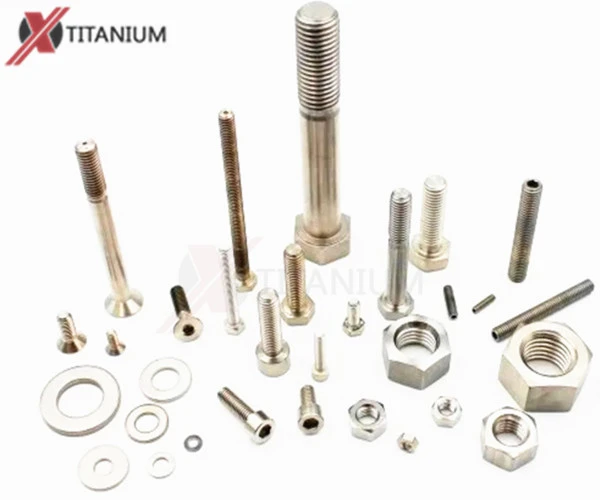
Common Challenges in Packaging and Shipping Titanium Fasteners
Transporting precision-engineered metal parts can be hard for a number of reasons, which can affect the quality of the product and the happiness of customers. These problems are especially bad when you're working with valuable items that need special ways to be handled.
Environmental Contamination and Material Degradation
When titanium metals are exposed to water vapor, salt air, and industrial pollution, they can start surface reactions that change the protective oxide layer that makes them unique. This natural barrier, which is very resistant to rust, breaks down when it comes into contact with chloride compounds that are common in sea or industrial areas. Foreign particles can get into the exact limits needed for aircraft uses if they get contaminated during transport.
According to research done by the Titanium Development Association, storing materials incorrectly can lower their performance by up to 15% within six months of being exposed. The effects go beyond how something looks on the outside and affect how it works, especially in situations where biocompatibility or electromagnetic balance are still important.
Mechanical Damage During Transit
Precision-made parts are at great risk during shipping because of the vibration, contact, and compression forces that happen. The old ways of packing often don't protect the threading patterns and designed surfaces that are needed for fasteners to work right. It can be helpful for end uses that titanium fasteners are light, but this makes it harder to keep them from moving around in shipping containers.
When professionals design packing, they have to take into account the different coefficients of heat expansion between titanium and other materials. Changes in temperature during international shipping can cause stress to build up and cause micro-fractures or changes in size that make it impossible to meet fit standards.
Documentation and Traceability Requirements
In the medical and aircraft industries, following the rules requires a lot of paperwork that keeps track of every part from the raw materials to the end installation. Material approvals, heat treatment records, and dimensional inspection reports must be kept safe by packaging methods that also keep them legible during long shipping periods. If you lose the paperwork that lets you track a package, the whole thing might not work, no matter what its state is.
Advanced Packaging Techniques for Titanium Fasteners
Modern packing advances use scientifically designed protection systems to meet the specific needs of high-performance metal parts. These methods greatly raise the success rates of delivery while lowering the total cost of ownership for end users.
Multi-Layer Barrier Protection Systems
Modern packing methods use high-tech barrier films that keep out wetness, keep chemicals separate, and get rid of static electricity. Usually, these systems use aluminum-polyethylene laminates and desiccant packets that are the right size for the amount of parts and the time they are supposed to travel. The packaging creates a controlled atmosphere that keeps things at their best no matter what the weather is like outside. For sensitive components like Titanium fasteners, this type of packaging ensures they remain free from corrosion and damage during transport and storage.
When you vacuum-seal something, you get rid of the oxygen in the air that could react with surface treatments or special coats. This method works especially well for parts that will be used in medical equipment, where higher standards for surface cleanliness are needed than in most other industries. When mixed-metal parts are shipped together, the lower air pressure also lowers the chance of galvanic reactions.
When parts are going to be put together with sensitive computer systems, they need to be packed in anti-static packaging. Specialized conductive films get rid of built-up charges and stop electromagnetic interference that could harm control systems or precision tools.
Customized Containment Solutions
To protect individual parts, containers that are custom made to fit particular shapes and provide enough padding are often needed. Molded foam plugs spread loading forces across areas that aren't important while keeping parts from touching each other. These unique solutions save money on high-value orders where the cost of replacing parts is higher than the cost of packing.
Reusable container systems are a long-term option to traditional ways of getting supplies. These engineered solutions have quick-release mechanisms, stackable designs, and built-in storage for paperwork. They also offer better safety than throwaway options. The initial investment usually pays for itself in three to five shipping cycles, and it also shows that you care about the environment.
Quality Verification Protocols
Modern packing methods have several checking steps that make sure the parts are in good shape before they are sealed. Digital photography records surface conditions, measures, and material marks so that they can be compared when the item is delivered. These records give objective proof of how well shipping is doing and help find ways to make things better.
Serialized tracking systems make it possible to check on the surroundings in real time while the goods are in motion. Sensors for temperature and humidity keep track of the past of exposure, and impact signs show when the product has been handled incorrectly. This information is very helpful for planning future packages and proving insurance claims when needed.
Best Practices for Shipping Titanium Fasteners Globally
To make sure deliveries are reliable and costs are kept low, international operations require careful planning between many parties. Strategic planning and choosing the right carriers help programs that work well combine speed, safety, and cost.
Transportation Mode Selection and Risk Assessment
Air freight has the quickest arrival times and is less affected by changes in the environment. This choice is good for pressing needs and high-value packages where the extra cost is worth it for speed. Temperature-controlled luggage boxes keep parts safe from the harsh weather that can happen at high altitudes and while the plane is being moved on the ground.
Ocean freight is an affordable way to send big packages on a variety of arrival dates. Using containers for shipping is a great way to keep your things safe and meet specific packing needs. But longer shipping times and the chance of rough handling mean that extra safety steps need to be taken. When shipping sensitive items like Titanium fasteners, it’s crucial to ensure that they are securely packed to prevent any potential damage or corrosion during transit.
Express transport services are great for sending prototypes and replacing things that need to be fixed right away. These networks offer full tracking, faster customs clearance, and proof of arrival. When it comes to key path things that could delay whole projects, the higher price is usually worth it.
Regulatory Compliance and Documentation Management
International shipping needs a lot of papers that correctly describes what's inside, where it came from, and how it will be used. Material grades, production standards, and end-use limits must all be listed on commercial bills. Technical data files are often sent with orders to meet the needs of importers and customers.
When parts are classified as dual-use technology that could be used in the military, export licenses are needed. The Department of Commerce Export Administration Regulations explain how to classify things and what licenses are needed. To get around these rules, professional freight forwarders who work with aircraft and security markets can be very helpful.
Customs valuation needs an exact estimate of the value of each part, which includes the value of the materials, processes, and engineering that go into it. Under-declaration can lead to big fines, and over-declaration adds extra duties that aren't needed. Having the right paperwork helps with fair value and speeds up the clearance process.
Supply Chain Visibility and Performance Monitoring
Modern transportation systems let you watch things in real time, which improves contact with customers and lets you solve problems before they happen. Automatic alerts let people know when shipments hit important goals or run into delays. This openness builds trust and makes it possible for receiving tasks to be organized.
Performance measures, such as on-time delivery, damage rates, and the accuracy of paperwork, help find ways to improve and choose a service. Shipping processes and cost management are always being improved through regular reviews with transportation partners.
Comparative Overview: Titanium Fasteners Packaging vs Other Metal Fasteners
Knowing the differences between the packaging needs of different materials helps you make smart decisions and use your resources well. Each type of metal has its own problems that affect how it is packaged and how it is shipped.
Material-Specific Protection Requirements
Most of the time, stainless steel screws only need simple mechanical cushioning and moisture protection. Their natural resistance to corrosion and strong construction mean that normal industrial packing doesn't pose much of a risk. Simple barrier films and foam filling inside corrugated packages are often used as cost-effective options.
Aluminum parts need better security against surface marks and galvanic rusting. Due to their softer nature, they need to be handled carefully so that they don't get scratched or deformed. Soft divider materials and controlled compression systems are often used in specialized packing.
Products made of carbon steel need to be protected against severe rust with oil coatings, vapor phase inhibitors, or hermetic seals. Because they are easily oxidized, they need to be protected right away after being made and maintained during shipping rounds.
Titanium screws need the most complex packing because they are very valuable, need to be precise, and are used in very important ways. Investing in improved protection systems saves money when compared to the cost of replacing broken parts and the time it takes to finish a job.
Economic Considerations and Total Cost Analysis
The cost of packaging goes up as the worth of the parts and the need for security go up. Even though the initial cost of titanium bolt packaging is higher, the cost ratio compared to the value of the component is often lower than with other materials. Better security methods are needed because getting damaged high-performance components would have terrible effects.
When it comes to insurance, full packing that shows care in protecting the shipment's goods is preferred. Well-documented packaging processes and quality controls help with settling claims and could lower the cost of premiums.
Supplier Capability Assessment
For specialized packing, you need tools, knowledge, and quality systems that go beyond what you can get from a normal hardware store. Experience with packaging, facility skills, and past success with related goods should be emphasized in the evaluation factors. Site checks compare what the business actually does with what it says it can do and look for ways to make things better.
Selecting Trusted Titanium Fasteners Suppliers for Seamless Packaging and Shipping
To build trusting supply relationships, you need to look closely at professional skills, quality control systems, and your ability to handle logistics. During the choosing process, many things that affect long-term success and lowering risk must be balanced.
Supplier Evaluation Criteria and Certification Requirements
Manufacturing standards like AS9100, ISO 9001, and NADCAP approval show a dedication to quality achievement and ongoing growth. These standards call for written methods, regular checks, and statistical process control, all of which have an effect on how consistent the product is and how reliable the delivery is.
When evaluating a seller, the ability to package things should be given extra attention. During site tours, packaging tools, environmental controls, and staff training programs should all be looked at. When reviewing documentation, it's important to look at things like package specs, testing procedures, and performance data from past customers.
A financial stability review keeps important projects from being harmed by supply problems. Credit records, insurance coverage, and business continuity plans can help you figure out how reliable and long-lasting a provider is.
Partnership Development and Supply Chain Integration
Working together allows for customizable solutions that meet the needs of specific applications and work around any problems that may arise. Regular lines of contact make it easier to solve problems before they happen and to keep making things better. Innovations that help both sides and make them more competitive often come from joint development projects.
Technical support goes beyond making and includes application planning, help choosing materials, and suggestions for installation. These extra services are especially useful when making new products and switching between technologies.
Inventory management tools help keep track of what's available, how much it costs to keep it, and how quickly it can be delivered. With vendor-managed inventory systems, the duty is given to specialized suppliers, but important parts can still be accessed right away.
Conclusion
For titanium fasteners to be properly packed and shipped, you need skills that go far beyond normal hardware handling. For aerospace, medical, and high-performance uses that need complex safety systems, legal compliance, and quality paperwork, it's important to work with expert suppliers who know how to meet these specific needs. As supply lines around the world get more complicated, skilled packaging and transportation skills become more valuable. By building good relationships with their suppliers and following proper packing guidelines, businesses set themselves up for reliable delivery and protect their valuable titanium fastener investments during the distribution process.
FAQ
Q1: What makes titanium fastener packaging different from regular metal fasteners?
A: Titanium screws need special packing because they are very valuable, need to be precise, and are used in very important ways. Titanium fasteners, on the other hand, need advanced moisture shields, anti-static protection, and special containment systems that keep the surface intact and the dimensions accurate. The cost of packing is small compared to the cost of replacing broken parts and the time it takes to finish a job.
Q2: How long can titanium fasteners stay in their safe package while they're being shipped?
A: When kept in a controlled setting, titanium fasteners that have been properly packaged can keep their quality for a long time. Vacuum-sealed packaging with the right desiccants can usually keep things safe for 12 to 24 months, but this depends on how they are stored and the specifics of each part. Monitoring of temperature and humidity makes sure that the best preservation is maintained over long shipping rounds.
Q3: What paperwork goes with shipping of titanium fasteners?
A: For international shipping, you need to include certificates for the materials, reports on their dimensions, records of their heat treatment, and proof that they meet aerospace or medical standards. For dual-use items, you might need an export license, and your customs paperwork needs to correctly list the materials, where they came from, and what they are going to be used for so that the clearance process goes more smoothly.
Q4: Which shipping methods work best for titanium fastener delivery?
A: Which mode of transportation to use depends on how quickly, how much, and where you need to go. The fastest way to deliver goods with the least impact on the environment is by air freight, while ocean freight is the most cost-effective way to send bigger packages. Express courier services are great for samples and last-minute backups because they offer full tracking and quick customs clearance.
Q5: How can buyers verify supplier packaging capabilities?
A: As part of evaluating a supplier, you should visit the site and look at the packing equipment, air controls, and staff training programs. Look over paperwork from past buyers that includes details about the packing, how it will be tested, and how well it worked. Certifications like AS9100 and ISO 9001 show that quality management and ongoing growth are done in a planned way.
Partner with Chuanglian for Superior Titanium Fasteners Solutions
Chuanglian is one of the best companies that makes titanium screws. They have over ten years of experience in precision engineering and high-tech packing solutions. Our strict quality control systems make sure that every part meets the highest standards in flight, medicine, and industry. At the same time, our advanced packing methods keep your investment safe while it's shipped around the world. We are located in Baoji, which is known as the "City of Titanium," and use state-of-the-art CNC machining and ISO-certified methods to consistently provide excellent service. You can email our technical team at info@cltifastener.com or djy6580@aliyun.com to talk about your specific shipping and packing needs.
References
1. Titanium Development Association. The Technical Report TDA-2023-07 from 2023 is called "Guidelines for Packaging and Storage of Titanium Components in Industrial Applications."
2. There is an American Society for Testing and Materials. "Standard Practice for Packaging and Shipping of Titanium Fasteners for Aerospace Applications." ASTM F2924-19, April 2019.
3. Association for International Air Transport. The IATA DGR Section 4.3 from 2024 says, "Dangerous Goods Regulations: Metal Components and Specialized Fastener Shipping Requirements."
4. Its name is the National Institute of Standards and Technology. The NIST Technical Publication 1298 from 2022 is called "Environmental Effects on Titanium Alloy Components During Extended Storage and Transportation."
5. The Society of Automotive Engineers (SAE). "Aerospace Standard: Packaging and Preservation Requirements for Titanium Hardware." 2021, SAE AS81820C.
6. The ISO is the International Organization for Standardization. An ISO 9001:2015 Implementation Guide from 2023 says, "Quality Management Systems for Titanium Product Manufacturing and Distribution."
Learn about our latest products and discounts through SMS or email