- English
- French
- German
- Portuguese
- Spanish
- Russian
- Japanese
- Korean
- Arabic
- Greek
- German
- Turkish
- Italian
- Danish
- Romanian
- Indonesian
- Czech
- Afrikaans
- Swedish
- Polish
- Basque
- Catalan
- Esperanto
- Hindi
- Lao
- Albanian
- Amharic
- Armenian
- Azerbaijani
- Belarusian
- Bengali
- Bosnian
- Bulgarian
- Cebuano
- Chichewa
- Corsican
- Croatian
- Dutch
- Estonian
- Filipino
- Finnish
- Frisian
- Galician
- Georgian
- Gujarati
- Haitian
- Hausa
- Hawaiian
- Hebrew
- Hmong
- Hungarian
- Icelandic
- Igbo
- Javanese
- Kannada
- Kazakh
- Khmer
- Kurdish
- Kyrgyz
- Latin
- Latvian
- Lithuanian
- Luxembou..
- Macedonian
- Malagasy
- Malay
- Malayalam
- Maltese
- Maori
- Marathi
- Mongolian
- Burmese
- Nepali
- Norwegian
- Pashto
- Persian
- Punjabi
- Serbian
- Sesotho
- Sinhala
- Slovak
- Slovenian
- Somali
- Samoan
- Scots Gaelic
- Shona
- Sindhi
- Sundanese
- Swahili
- Tajik
- Tamil
- Telugu
- Thai
- Ukrainian
- Urdu
- Uzbek
- Vietnamese
- Welsh
- Xhosa
- Yiddish
- Yoruba
- Zulu
Titanium Torx Bolts Guide for Motorcycle Builders
When it comes to high-performance motorcycle construction and modification, selecting the right fasteners can make the difference between success and failure. Titanium torx bolt technology represents a breakthrough in fastening solutions, combining the exceptional strength-to-weight ratio of titanium alloys with the superior torque transmission efficiency of the hexalobular drive system. These precision-engineered fasteners address critical pain points in motorcycle assembly, including weight reduction demands, corrosion resistance requirements, and the need for reliable fastening under extreme conditions.
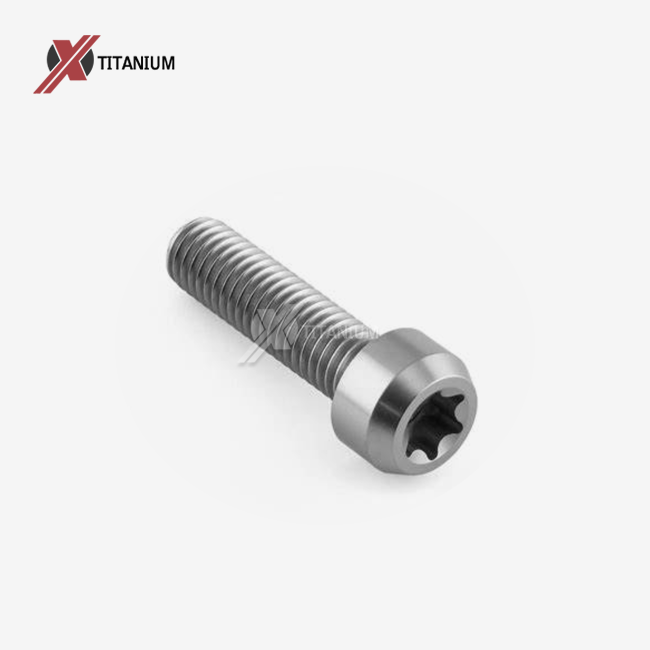
Understanding Titanium Torx Bolts for Motorcycles
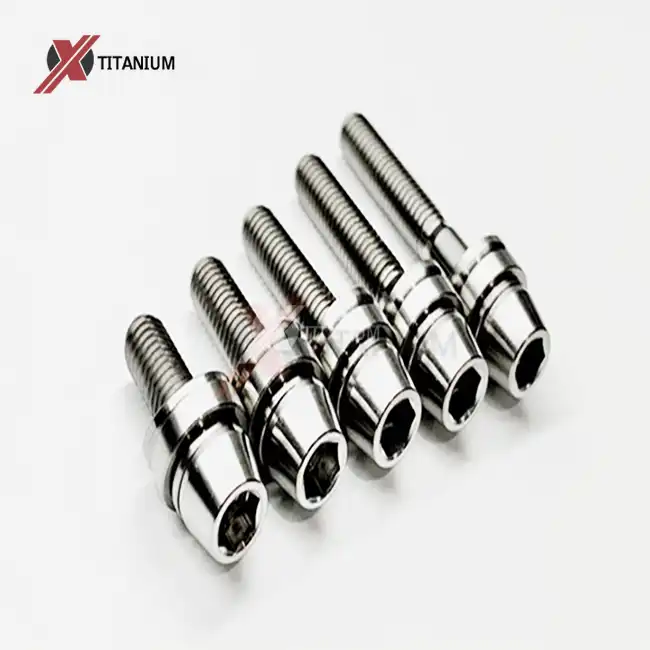
Titanium torx bolt fasteners are the most precise engineering ever used in the motorbike business. These unique parts are made of Grade 5 titanium alloy (Ti-6Al-4V) and have a hexalobular internal drive system. Together, they make fasteners with great performance qualities that are needed for tough motorbike uses.
Material Composition and Grades
Titanium screws made from high-quality materials come in two main grades, each of which is best for a certain type of job. Commercially pure titanium grade 2 is very good at resisting corrosion and being compatible with living things. This makes it a good choice for artistic uses and parts that will be exposed to hard environments. Grade 5 titanium metal, on the other hand, which has 6% aluminum and 4% vanadium, has the mechanical strength needed for structure uses.
Grade 5 titanium has a tensile strength of more than 950 MPa and is still very light, which is something that motorbike makers love. Because of its high strength-to-weight ratio, it is up to 45% lighter than steel versions without losing any of its structural stability. The alloy's high resistance to wear means it will work reliably under the cyclic loading conditions that are usual in motorbike use.
Torx Drive System Advantages
Traditional hex and Phillips screws have some major flaws that the hexalobular drive design fixes. The six-point star design spreads torque loads over a bigger contact area. This lowers stress levels that can cause the driver tool to slip or the fastener head to break. When working with titanium materials, which have a lower shear stiffness than strengthened steel, this design comes in very handy.
Studies show that Torx drives can send up to 50% more power than hex drives of the same size before cam-out happens. When fitting titanium fasteners to the specified torque values, this ability becomes important to make sure the joint preload is correct and protect the fastener investment.
Non-Magnetic Properties and Specialized Applications
Titanium's nonmagnetic properties make it even better for sensitive electrical systems and instrumentation groups. Modern bikes have complex electrical systems that can be harmed by magnetic interference from fasteners that are made of iron. Titanium rivets get rid of this worry and offer better electromagnetic compatibility at the same time.
Installation and Performance Best Practices
Titanium fixing systems work best when they are installed correctly. If they are installed incorrectly, they can become unsafe or cancel the warranty, which can cost a lot of money.
Torque Specifications and Anti-Seize Requirements
Different steps are needed to place titanium screws compared to steel ones. Because the material has a lower elastic stiffness, the torque specifications need to be changed to keep the threads from stretching or galling. When switching from steel to Grade 5 titanium screws, it is best practice to lower the normal torque values by 15 to 20 percent.
When putting titanium screws into threads made of different metals, you have to use anti-seize powder. It is common for titanium to gall when it is mounted against stainless steel or other titanium parts. Good anti-seize additives made from copper or nickel stop cold welding and let the right amount of force be transmitted during installation.
Tool Selection and Installation Techniques
To put titanium torx bolt, you need high-quality Torx screws made from tool steel that has been hardened. To keep stress from building up and damaging the bolt head, the driver has to fit perfectly inside the hexalobular hollow. Titanium screws that cost a lot of money can be damaged beyond repair by drivers that are worn out or the wrong size.
Controlling the installation speed is important to keep the anti-seize substance from getting too hot and losing its usefulness. To keep pneumatic tools from over-torquing, torque-limiting devices are needed. On the other hand, fixing things by hand gives you more control over the process.
Reuse Assessment and Maintenance Protocols
Titanium screws can be used more than once as long as the right checking procedures are followed. A visual check should focus on the state of the thread, the strength of the head, and any signs of stress or galling. Dimensional verification checks that thread stretching hasn't gone beyond what's allowed, which could weaken the joint. Cleaning should get rid of all signs of old anti-seize substance and dirt before putting the part back in place. For proper torque transfer and defense against galling, anti-seize must be applied again after each installation cycle.
Comparative Analysis: Titanium Torx Bolts vs Other Materials
Knowing the performance characteristics of a material helps you make smart purchasing choices that balance the cost of the original investment with the benefits it will bring in the long run.
Mechanical Performance Comparison
Several key performance metrics are used to figure out which fastener materials are best for different motorbike uses. The following example shows how the following material choices are very different:
The strength-to-weight ratio of titanium Grade 5 is better than that of other materials. Because it has a mass of 4.43 g/cm³, titanium is 45% lighter than steel while still having the same tensile strength. This weight loss immediately leads to better motorbike performance by lowering the unsprung weight and raising the power-to-weight ratios.
Stainless steel screws don't rust and are very light, but they are heavier than other materials. Because stainless steel is so dense (about 8.0 g/cm³), it is almost twice as heavy as titanium options. Stainless steel can also galle easily, which means it needs to be installed carefully, just like titanium, but without the weight benefits.
Fasteners made of aluminum alloy are very light, but they aren't strong enough for important structure uses. Aluminum alloys usually have a tensile strength of 200 to 400 MPa, which is too low for high-stress motorbike parts. Galvanic rusting can happen when aluminum is mixed with metals that are not the same. This limits its uses even more.
Corrosion Resistance and Environmental Performance
The natural oxide film (TiO₂) on titanium makes it very resistant to weathering in a wide range of situations. This passive layer repairs itself naturally when it gets broken, so the fastener will be protected for a long time. The material works very well in marine environments, when exposed to road salt, and when chemicals are present, which is typical when riding a motorbike.
Protective coatings are needed on carbon steel screws to keep them from rusting, but these coatings can get damaged during installation or service, which can cause corrosion in one area and possibly failure. When figuring out the total cost of ownership, you need to include the cost of replacing the finish or fasteners.
Total Cost of Ownership Analysis
Even though titanium torx bolt screws cost more than steel ones, total cost analysis often shows that titanium is the better choice for important tasks. In many motorbike situations, the initial investment is worth it because of the longer service life, lower upkeep needs, and better performance. Over the motorcycle's service life, losing weight delivers more benefits, such as better fuel economy, less tire wear, and better speed. Titanium's lighter weight is especially useful in racing uses, where it can give real competitive advantages worth a lot more than the difference in the cost of the fasteners.
Strategic Procurement and Sourcing Guide
To buy titanium fasteners successfully, you need to know what the provider can do, how they handle quality, and what customization options are available to make sure the product fits your needs perfectly.
Supplier Evaluation Criteria
To make sure the supply chain works reliably, procurement workers have to look at possible suppliers in a number of different ways. Quality certification is the basis for evaluating suppliers. Certifications like AS9100, ISO9001, and medical device show that quality management systems are strong.
When evaluating a company's manufacturing skills, it should look at its CNC cutting, surface treatment, and ability to keep tolerances on sizes. Suppliers who offer a wide range of surface treatments, such as sanding, anodizing, and nitriding, give customers more choices to meet their unique needs. Premium suppliers are different from basic suppliers because they offer technical help. Having access to mechanical knowledge, application engineering support, and testing services lets you choose the best fasteners and get help with problems when they come up.
Customization Options and Lead Time Considerations
Custom titanium torx bolt specs can meet specific needs in applications where standard screws can't. Customization choices usually include changing the size, applying special finishes to the surface, and making sure the material meets approval standards for important uses. When planning lead times, you need to take into account getting titanium materials, making them, and checking their quality. Custom orders usually need at least 4 to 6 weeks to be made, and orders with complicated specs take even longer. To avoid production delays, procurement managers should set up backup stocks for important uses.
Quality Verification and Testing Requirements
Material approval, dimensional compliance, and the quality of the surface finish should all be checked by incoming inspection procedures. Verification of the chemical makeup makes sure that the properties of the material meet the requirements of the standard, and inspection of the dimensions makes sure that the production tolerances are met. Batch tracking paperwork helps with warranty claims or recalls and lets you respond quickly to quality problems. Premium providers keep detailed records that connect the lots of raw materials they use to the delivery of finished goods. These records can be used to help with quality reviews when needed.
Application Insights and Industry Use Cases
Different grades and shapes of titanium fasteners are best for different performance needs and are used in a wide range of motorbike systems.
Engine Component Applications
Titanium is thermally stable and keeps its strength at high temperatures, which is useful for high-temperature engine uses. When fixing an exhaust system, you need screws that can handle changes in temperature while still keeping the joint's integrity. It is made of grade 5 titanium, which is strong enough for these tough jobs and light enough to make the motorbike run better overall. Titanium is used for valve covers because it doesn't rust when exposed to oil and burning fumes. Because the material is compatible with metal engine parts, there are no worries about galvanic rust, and the sealing will work well for a long time.
Chassis and Suspension Integration
Installing suspension parts is a very important safety task where a broken bolt can have terrible results. Titanium torx bolt screws are strong and won't wear out easily, which is important for these uses. They also help reduce unsprung weight, which makes the suspension work better. Titanium is nonmagnetic, which makes it useful for brake systems because it doesn't interact with ABS sensors or other electrical systems. The material doesn't rust, so it works well even when it's exposed to brake dust and other road debris.
Racing and Performance Applications
When you race motorcycles competitively, you have to lose as much weight as possible without sacrificing safety or dependability. Titanium fasteners help the motorbike take in less weight while still being strong enough to meet or exceed race safety standards. Custom colors can be chosen through anodizing methods, which helps teams work together while still looking professional. Color coding can also help with maintenance by making it easy to see the different power requirements or service times.
Conclusion
Titanium torx bolt technology is a mature answer for tough motorbike uses that need the best strength-to-weight ratio, resistance to corrosion, and reliable installation. The use of Grade 5 titanium alloy and hexalobular drive systems meets important performance needs while also allowing weight-reduction techniques that are necessary for high-performance bikes. For the best return on investment with these high-end fastening solutions, make sure you follow the right fitting steps, choose the right seller, and match the product to the job.
FAQ
What torque specifications should I use for titanium torx bolts?
If you use Grade 5 titanium screws instead of steel ones that are the same, you should lower the normal torque requirements by 15 to 20 percent. Because titanium has a lower elastic elasticity, this change keeps the thread from getting longer. Always use the right anti-seize substance to keep things from galling and make sure that force is transmitted correctly.
Can titanium torx bolts be reused multiple times?
Yes, titanium screws can be used again as long as they are checked carefully for thread damage, changes in size, and head integrity. Remove any old anti-seize compound and put on new compound before reinstalling. If you see signs of thread damage, lengthening, or head deformation, you should replace the screws.
Why choose Grade 5 over Grade 2 titanium for motorcycle applications?
Grade 5 titanium (Ti-6Al-4V) has a tensile strength of more than 950 MPa, which is important for structural motorbike uses. Grade 2 economically pure titanium has a tensile strength of only 350 MPa, making it mostly useful for artistic or low-stress uses. Grade 5 material qualities are needed for safety-critical parts.
Do titanium torx bolts require special anti-seize compounds?
Yes, titanium screws need good anti-seize chemicals to keep them from galling when they're threaded into metals that aren't the same. Compounds based on copper or nickel work best. Stay away from goods with aluminum or zinc, as they can cause problems with galvanic rusting.
Partner with Chuanglian for Premium Titanium Torx Bolt Solutions
Baoji Chuanglian New Metal Material Co., Ltd. can help you with your motorbike building and customization projects by providing high-quality titanium torx bolt options. Being a top titanium torx bolt maker in China's "City of Titanium," we have more than ten years of specialized experience, full CNC cutting capabilities, and strict quality control systems. Our product range includes sizes M3 through M12, with lengths from 6 mm to 200 mm. It meets ISO standards and can have different surface processes, such as grinding and anodizing, to suit your needs. Get in touch with our expert team at info@cltifastener.com or djy6580@aliyun.com to talk about your needs and see what it's like to work with a reliable titanium torx bolt provider.
References
1. American Society for Testing and Materials. "Standard Specification for Titanium and Titanium Alloy Fasteners." ASTM F467-19, 2019.
2. Society of Automotive Engineers. "Aerospace Material Specification for Titanium Alloy Fasteners." AMS 4967, Revised 2018.
3. International Organization for Standardization. "Mechanical Properties of Fasteners Made of Carbon Steel and Alloy Steel - Part 6: Nuts with Specified Proof Load Values." ISO 898-6:2018.
4. Donachie, Matthew J. "Titanium: A Technical Guide, 2nd Edition." ASM International Materials Engineering, 2000.
5. Metals Handbook Committee. "Properties and Selection of Titanium Alloys." ASM Handbook Volume 2: Properties and Selection of Nonferrous Alloys and Special-Purpose Materials, 1990.
6. Lutjering, Gerd and Williams, James C. "Titanium Engineering Materials and Applications." Springer Engineering Materials and Processes, 2nd Edition, 2007.
Learn about our latest products and discounts through SMS or email