- English
- French
- German
- Portuguese
- Spanish
- Russian
- Japanese
- Korean
- Arabic
- Greek
- German
- Turkish
- Italian
- Danish
- Romanian
- Indonesian
- Czech
- Afrikaans
- Swedish
- Polish
- Basque
- Catalan
- Esperanto
- Hindi
- Lao
- Albanian
- Amharic
- Armenian
- Azerbaijani
- Belarusian
- Bengali
- Bosnian
- Bulgarian
- Cebuano
- Chichewa
- Corsican
- Croatian
- Dutch
- Estonian
- Filipino
- Finnish
- Frisian
- Galician
- Georgian
- Gujarati
- Haitian
- Hausa
- Hawaiian
- Hebrew
- Hmong
- Hungarian
- Icelandic
- Igbo
- Javanese
- Kannada
- Kazakh
- Khmer
- Kurdish
- Kyrgyz
- Latin
- Latvian
- Lithuanian
- Luxembou..
- Macedonian
- Malagasy
- Malay
- Malayalam
- Maltese
- Maori
- Marathi
- Mongolian
- Burmese
- Nepali
- Norwegian
- Pashto
- Persian
- Punjabi
- Serbian
- Sesotho
- Sinhala
- Slovak
- Slovenian
- Somali
- Samoan
- Scots Gaelic
- Shona
- Sindhi
- Sundanese
- Swahili
- Tajik
- Tamil
- Telugu
- Thai
- Ukrainian
- Urdu
- Uzbek
- Vietnamese
- Welsh
- Xhosa
- Yiddish
- Yoruba
- Zulu
How do titanium bolts compare to steel bolts in terms of weight for motocross?
When it comes to motocross performance, every gram counts. Motocross titanium bolts deliver a weight advantage that directly impacts bike handling and rider agility. Compared to traditional steel fasteners, titanium alloy bolts offer approximately 40-45% weight reduction due to their significantly lower density—titanium measures 4.5 g/cm³ versus steel's 7.85 g/cm³. This weight saving translates into reduced unsprung mass on critical components like suspension linkages and frame assemblies, enabling faster throttle response and improved cornering precision. Racing teams and performance-focused procurement managers increasingly specify titanium hardware not merely for marginal gains but for measurable competitive advantages on the track.
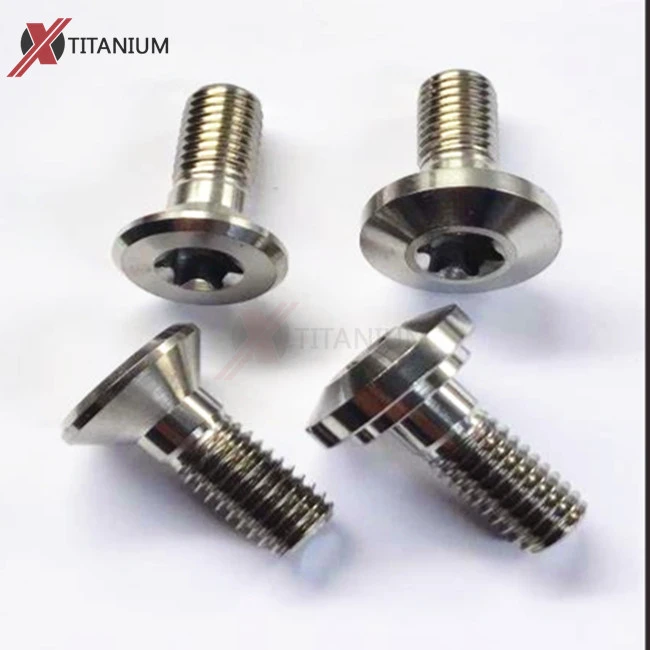
Understanding the Weight Differences Between Titanium and Steel Bolts for Motocross
The Density Factor: Why Material Science Matters
Titanium and steel nuts are different in weight because of basic qualities of the materials. Most steel alloys have densities between 7.75 and 8.05 g/cm³. Grade 5 titanium alloy (Ti-6Al-4V), on the other hand, always has a density of 4.51 g/cm³. When applied to a whole motocross bike, with dozens of bolts holding engine mounts, frame parts, and suspension systems in place, this difference becomes important. A single M8 titanium bolt weighs about 8 grams, while the same-sized steel bolt weighs 14 grams. This is a 43% weight reduction that adds up over many fastening points.
Quantifying Weight Savings Across Bike Components
When you replace steel fasteners with Grade 5 titanium gear, the overall result is that performance gets better. Think about a standard 450cc racing bike, which has about 120 structural bolts. When Grade 5 titanium is used instead of steel, the total weight of the fasteners drops from about 1,680 grams to 960 grams, a savings of 720 grams (1.6 pounds). This decrease mostly helps unsprung weight, which has a direct effect on how well the suspension bends and how stable the tyre contact patch is. When purchasing professionals look at material specs, they should keep in mind that most of the weight saves happen in high-stress areas like suspension links, triple clamps, and swingarm pivots. This is because less mass makes the handling more responsive.
How Weight Reduction Affects Track Performance
In addition to numbers, reducing weight with titanium fasteners leads to measured improvements in efficiency. Racing data shows that taking away 100 grams from unsprung components shortens the time it takes for the suspension to react by about 2 to 3 percent. This lets the dampers adapt better to changes in the terrain. Engineers who make motocross equipment know that lowering the spinning mass near the wheel sections improves acceleration and keeps riders from getting tired during long races. Teams that move to titanium gear say they can handle jumps better and predict how their bikes will behave in whoops sections better. These are important benefits in competitive settings where milliseconds can decide who wins.
Technical Performance Beyond Weight: Strength and Durability of Titanium vs Steel Bolts
Tensile Strength and Yield Properties Comparison
The performance of a material goes beyond its weight and includes its mechanical strength. The tensile strength of Grade 5 titanium alloy (Ti-6Al-4V) is 930 MPa and the yield strength is about 880 MPa. This makes it stronger and lighter than most steel fasteners used in motorsports.
Tensile strengths for high-grade steel nuts are usually between 900 and 1,200 MPa, but their performance edge decreases when density is taken into account. Specific strength, or strength per unit mass, is the most important measure for procurement experts. Titanium regularly performs better than steel by 15 to 20 percent, which lets engineers define lighter fasteners without compromising structural integrity in critical load-bearing applications.
Corrosion Resistance in Racing Environments
Motocross puts gear through conditions that aren't found in other sports. It has to deal with mud, water bridges, power washer cleaning, and storage areas that are damp. Even if steel bolts are zinc-plated or have other protective coats on them, they can still rust and experience galvanic corrosion, which weakens the clamping force and thread contact over time.
Titanium's passive oxide layer makes it very resistant to humidity, saltwater, and chemicals without the need for extra surface treatments. Motocross titanium bolts take this advantage even further, because our Grade 5 titanium fasteners keep their structural integrity through hundreds of wash cycles and track chemicals. This means that you don't have to replace the bolts on a regular basis because the corrosion damages the threads.
Fatigue Resistance and Service Life Considerations
Fasteners are put through cyclic loading conditions in motocross, which tests their fatigue endurance limits. Grade 5 titanium has great wear resistance, so it can keep its shape through shaking cycles that would cause cracks to spread in weaker materials. High-strength steel bolts have about the same static strength as titanium bolts, but titanium's fatigue properties make it better for uses that are constantly vibrating and impact loading.
Quality control rules become very important: rolled threads keep the grain flow structure, which makes them last about 30% longer than cut threads when it comes to fatigue life. For suspension and engine parts that are subject to cyclic stresses, procurement managers should specify rolled-thread titanium fasteners. This will ensure that the parts are reliable throughout race seasons without breaking down without warning.
Procurement Insights: Choosing Between Titanium and Steel Bolts for Motocross
Cost-Benefit Analysis for Performance Applications
When choosing materials, you have to weigh the original cost against the long-term value of their use. Titanium fasteners are usually three to five times more expensive than steel hardware of the same type, which makes procurement departments that are watching their budgets hesitant to buy them. When you look at the big picture of finances, you can see different economies.
Titanium bolts save money on replacement costs because they don't rust, cut down on the time needed for maintenance checks, and improve race results by making the vehicle perform better. When racing teams use multiple bikes over the course of a season, they figure that the investment will pay off in 18 to 24 months, thanks to less downtime and longer service times. When buying fasteners for competitive racing, procurement workers should look at the total cost of ownership instead of the unit price.
Sourcing Strategies and Supplier Evaluation Criteria
Finding trustworthy suppliers of titanium fasteners requires a lot of screening. To get into the titanium processing business, you need to have specialised CNC machining skills, a method for certifying materials, and a way to check the quality of the work. Buyers should give more weight to providers who can show they meet aircraft quality standards (AS9100 or a similar), have approved testing tools for checking chemical makeup (PMI testing), and have proof of where their raw materials come from.
In China's "City of Titanium," Baoji Chuanglian New Metal Material Co., Ltd. runs several CNC machining centers and follows strict quality control procedures to make sure that every bolt meets the chemical composition requirements for Ti-6Al-4V and the critical dimension tolerances for engine and suspension applications.
Customization Options for Specific Racing Applications
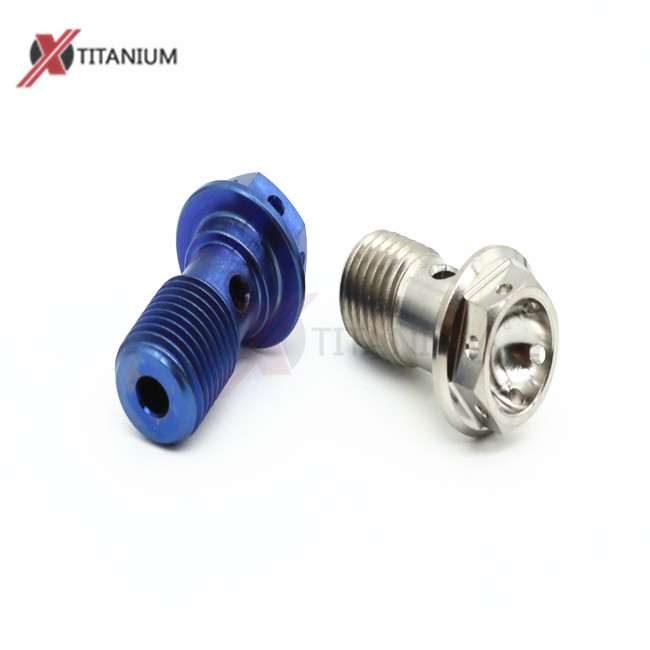
Motocross bikes have different displacement classes and riding styles, so they all need different kinds of fasteners. Motocross titanium bolts are an ideal solution here, because titanium is easy to machine, so it can be made with unique thread sizes (M6, M8, M10, and other pitches), lengths that fit specific frame shapes, and surface treatments that work best for the job. Anodizing choices offer coloured identification systems (gold, blue, purple, and rainbow) that make upkeep easier and protect against corrosion at the same time.
Polished finishes lower the coefficients of friction, and nitriding treatments raise the hardness of the surface for uses that need better wear resistance. Teams in charge of buying things should work with suppliers that offer engineering help to find the best fastener configurations for different bike models, riding styles, and market needs. Manufacturers that focus on performance are different from distributors of standard fasteners because they can customise their products.
Installation and Maintenance Considerations for Titanium vs Steel Motocross Bolts
Proper Torque Application and Tool Selection
Because titanium is a different material, it needs to be installed in a different way than steel gear. Titanium bolts stretch more than steel bolts under the same torque loads because titanium has a lower modulus of elasticity (110 GPa vs. 200 GPa). This means that torque wrenches must be calibrated correctly and manufacturer specifications must be followed.
Fasteners on the engine case usually need 10 to 12 Nm, while bolts on the suspension linkage need 35 to 40 Nm, depending on the thread diameter. Managers in charge of buying things should make sure that repair teams have calibrated digital torque wrenches and training that is specific to the needs of titanium gear. When you over-torque, the threads bend or the bolt heads separate. When you under-torque, the parts can move and fretting wear happens, which weakens the assembly.
Preventing Galling and Thread Damage
Titanium tends to galling, which is a type of cold welding that happens when threaded metals are pressed together against each other. Before putting something together, the installation instructions must say to use the right anti-seize chemicals. Copper-based pastes, ceramic lubricants, or special titanium preparation compounds keep torque readings accurate while stopping threads from sticking together. It is especially important to take this extra step when putting titanium bolts into aluminium engine cases or suspension parts, because the different metals can cause galling. Quality sellers give detailed advice on compatible lubricants and how to put them, making sure that buying teams get full help after the product is delivered.
Inspection Protocols and Replacement Criteria
Setting up regular inspection schedules for titanium fasteners extends their useful life and stops them from breaking down without warning. Every 10 to 15 hours of riding, the bolt heads should be looked at visually for signs of deformation, vibration-related loosening, and to make sure the thread contact stays tight. Unlike steel hardware that shows obvious signs of rust, titanium hardware shows degradation in more subtle ways, such as surface discolouration, thread wear patterns, or changes in size that can be seen by carefully measuring.
Racing teams usually change the suspension linkage nuts every 40 to 50 hours, even if the bolts don't look worn. This is because they know that wear builds up inside the part before it shows up on the outside. Motocross titanium bolts are a prime example of this principle, as their internal stress cycles can degrade performance long before visible fatigue appears. Lifecycle replacement plans should be taken into account in procurement strategies, and there should be enough inventory to support planned repair cycles without messing up timelines for race preparation.
Market Trends and Future Outlook for Titanium Bolts in Motocross Industry
Growing Adoption Across Racing Segments
Titanium is being used more and more by privateer and amateur racers as well as professional factory teams in the motocross industry. A study of the market shows that performance titanium screws are growing at rates of 8–12% per year. This is because more materials are becoming available and titanium processing centers are able to make more products.
Titanium hardware goes from being a rare and expensive speciality item to a common way to improve performance as the costs of buying it go down due to economies of scale and process optimisation. Manufacturers are aware of this trend, and more and more OEM brands are offering titanium bolt kits as factory extras or building titanium fasteners into high-end models. This shows that the industry accepts titanium as standard performance equipment rather than an aftermarket modification.
Innovations in Titanium Alloy Development and Coatings
Advances in material science keep improving the performance of titanium fasteners. New beta-titanium alloys promise better ductility while still having strength-to-weight advantages. This could help solve the problem of Grade 5 titanium material breaking easily under extreme impact conditions. New developments in surface treatment include diamond-like carbon (DLC) layers that make surfaces even less slippery and improved anodizing methods that go deeper into the structure of materials to make them more resistant to wear.
Professionals in procurement who keep an eye on these changes set up their companies to take advantage of next-generation fastener technologies as soon as they become commercially viable. This way, they can stay ahead of the competition by adopting proven innovations early on.
Strategic Recommendations for Procurement Managers
Forward-thinking procurement strategies build long-term plans for equipment growth around the specs of titanium fasteners. Building relationships with reliable titanium suppliers makes the supply chain more stable, making sure that materials are available even when the industry's capacity is limited or when geopolitical events affect the flow of titanium raw materials.
Buyers should talk about framework deals that set price structures, quality verification methods, and promises of technical help that go beyond just buying things. By staying up to date on changes to racing rules and participating in industry technical forums, procurement teams can predict changes in specifications before they affect competitive performance. This makes their companies technology leaders instead of followers in the high-stakes world of motocross.
Conclusion
Titanium screws are much better than steel fasteners in motocross uses, and the benefits go beyond just being lighter. Grade 5 titanium alloy (Ti-6Al-4V) bolts save 40–45% of their original weight while still having high strength-to-weight ratios, great resistance to corrosion, and great stress performance in race situations. Instead of just looking at unit price, procurement choices need to take into account the total cost of ownership, the technical skills of the provider, and the performance needs of the application.
Motocross titanium bolts exemplify this shift, as their long-term fatigue life and reduced unsprung mass directly translate to better track performance and fewer mid-race failures. As the ability to make titanium grows and the cost of the material falls, these high-performance fasteners will go from being niche items to necessary parts for competitive motocross equipment. They will offer measurable benefits in handling, durability, and maintenance efficiency.
FAQ
How much weight can I realistically save by switching to titanium bolts on my motocross bike?
Changing all the steel fasteners on a bike with Grade 5 titanium hardware usually cuts the weight by 700 to 900 grams (1.5 to 2 pounds). Unsprung parts like suspension linkages and wheel assemblies feel the weight loss the most. The performance gain is greater than the weight loss alone because the mass saves are concentrated in areas that directly affect how the car handles and how the suspension responds.
Do titanium bolts require different torque specifications than steel bolts?
No matter what kind of bolt it is, you should always follow the torque specs given by the original equipment manufacturer. Because titanium has a lower elastic modulus, it is important to use an accurate torque wrench and apply anti-seize correctly to keep it from galling. To keep titanium fasteners from breaking, always use the right thread lubricant and use accurate tools to check the pressure settings.
Can I mix titanium and steel bolts on the same motorcycle?
Even though it is technically possible, mixing fastener materials makes maintenance tasks and keeping track of inventory more difficult. Complete replacement makes sure that performance is always the same and makes it easier to follow the rules for power measurement. When money doesn't allow for a full change, strategic partial upgrades that focus on suspension parts and other high-stress areas can improve performance without breaking the bank.
Partner with Chuanglian for Premium Motocross Titanium Bolts
Baoji Chuanglian New Metal Material Co., Ltd. is a reliable company that makes motocross titanium bolts. They have been working with titanium for over ten years and have strict quality control systems in place. Our CNC-machined Grade 5 titanium fasteners are made to the exacting standards needed for racing applications. They also come with full certification and material traceability paperwork.
For your special bike needs, we can make thread sizes (M6, M8, M10), surface processes (polishing, anodizing, nitriding), and colour choices that fit your needs. Get in touch with our technical team at info@cltifastener.com or djy6580@aliyun.com to talk about your buying needs and ask for samples that show the performance benefits that make Chuanglian the provider of choice for motorsports pros around the world.
References
1. Boyer, R., Welsch, G., & Collings, E.W. (1994). Materials Properties Handbook: Titanium Alloys. ASM International, Materials Park, Ohio.
2. Donachie, M.J. (2000). Titanium: A Technical Guide, 2nd Edition. ASM International, Materials Park, Ohio.
3. Lutjering, G., & Williams, J.C. (2007). Titanium: Engineering Materials and Processes, 2nd Edition. Springer-Verlag, Berlin Heidelberg.
4. Schutz, R.W., & Watkins, H.B. (1998). Recent developments in titanium alloy application in the energy industry. Materials Science and Engineering: A, Volume 243, Issues 1-2, Pages 305-315.
5. Peters, M., Kumpfert, J., Ward, C.H., & Leyens, C. (2003). Titanium alloys for aerospace applications. Advanced Engineering Materials, Volume 5, Issue 6, Pages 419-427.
6. Veiga, C., Davim, J.P., & Loureiro, A.J.R. (2012). Properties and applications of titanium alloys: A brief review. Reviews on Advanced Materials Science, Volume 32, Pages 133-148.
Learn about our latest products and discounts through SMS or email